By Peter Vetsch
[These bottles were provided as samples for review purposes.]
Highway 97 runs south from Oliver to Osoyoos and is surrounded by vines on both sides. With Osoyoos Lake in the foreground and the roadway running parallel to a tiny tributary connecting the lake to the bodies of water further north, the landscape rises up sharply to the east and west, creating a large natural amphitheatre with tremendous sun and wind exposure for grape plantings. The highway’s crossroads count up from 1 as you leave Oliver, and if you turn right at the viticulturally famous Road 13 and go just up the hill from the winery bearing that name, you find the long-planned site of Culmina Family Estate Winery.

The vines planted there after years of detailed soil mapping and research are now into their second decade, the winery now a veteran stalwart with an established lineup of quality offerings. But there are still some tricks up its sleeve, starting this year with the release of the first-ever Syrah from the estate (keep it coming) and an ever-increasing portfolio of small-production Number Series wines, the Number releases increasing like the Roads from Oliver to Osoyoos, indicative of a winery not content to rest on its laurels.
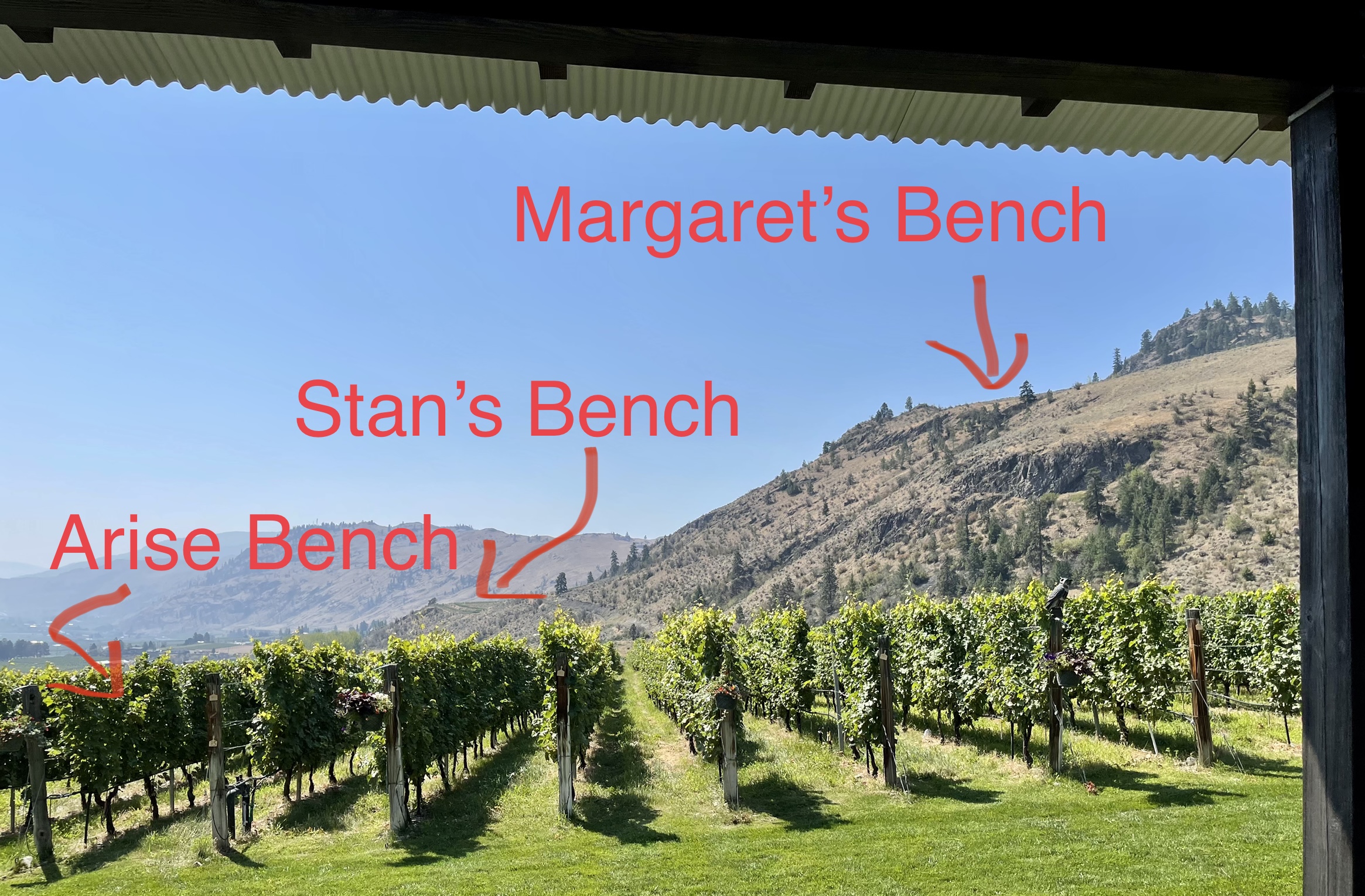
It’s one thing to read and write about something and another thing to experience it for yourself. This summer I was finally able to turn off on Road 13 and walk the vines at Culmina, admire the remarkable view and see firsthand the care that goes into the fruit at the estate. (Extreme bonus points for the Tesla charging station in their visitor parking lot, a major rarity that far south in the Okanagan.) I got to see the striking difference between the three plateaus of vineyards that Culmina cultivates: the warm Arise Bench, right in front of and surrounding the winery building; the even warmer Stan’s Bench, slightly higher and more southerly, perfectly positioned to maximize the effects of the sun; and the cooler Margaret’s Bench, shockingly elevated as compared to the other two and seemingly inaccessible on the backside of a steep rocky slope. I got to appreciate the natural majesty of the area, and the concentration of top-end producers in the immediate vicinity — if Road 13 wasn’t enough just down the road, Checkmate and its James Bond villain lair of a winery complex is a couple minutes the other way.
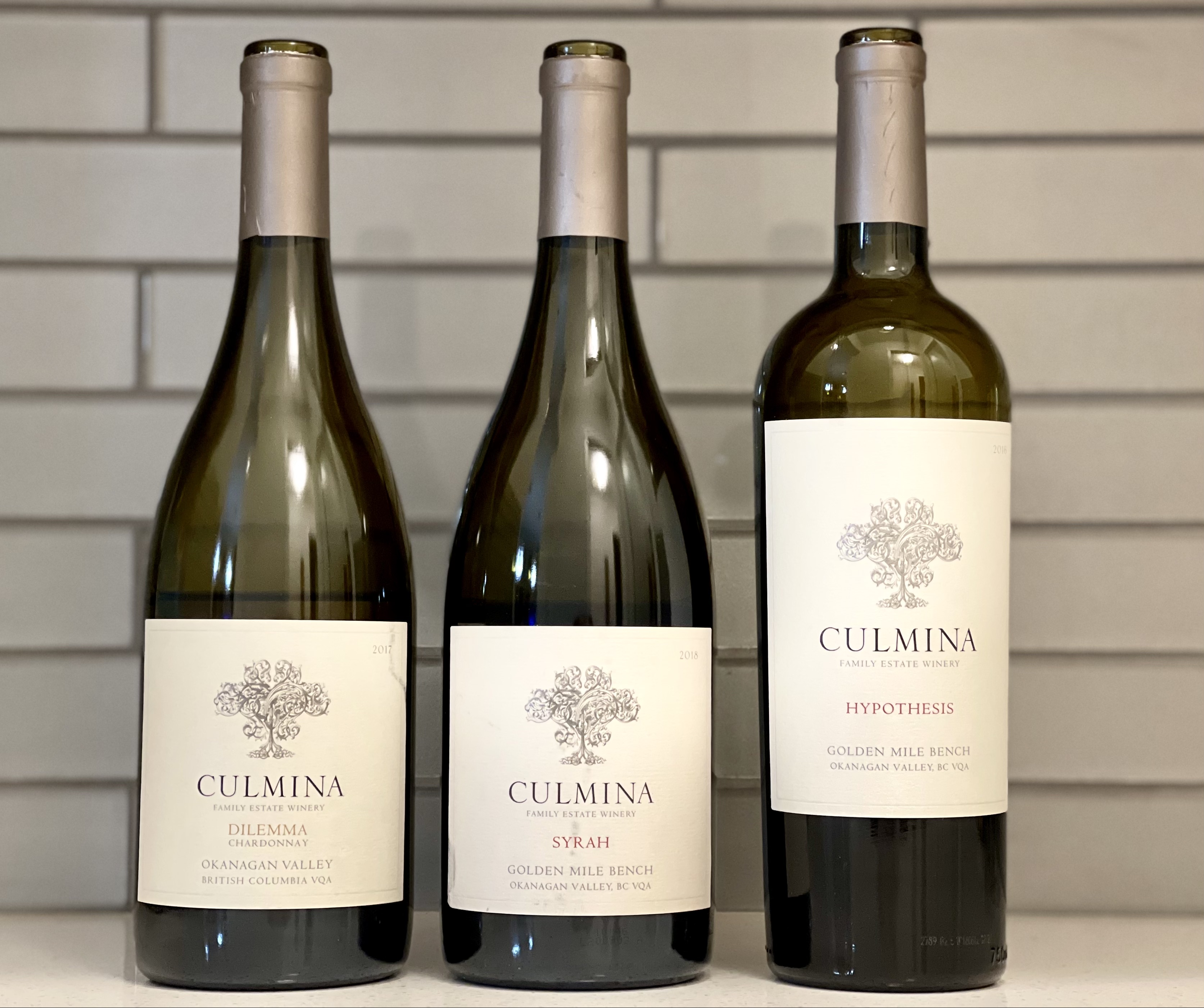
The bet that Don Triggs made on this land has paid off, but Culmina continues to write its story even after his departure. With one clear exception, this tasting set focuses on Culmina’s tried and true releases; Ray will shortly address the more novel end of the winery’s current lineup.
Read the rest of this entry »


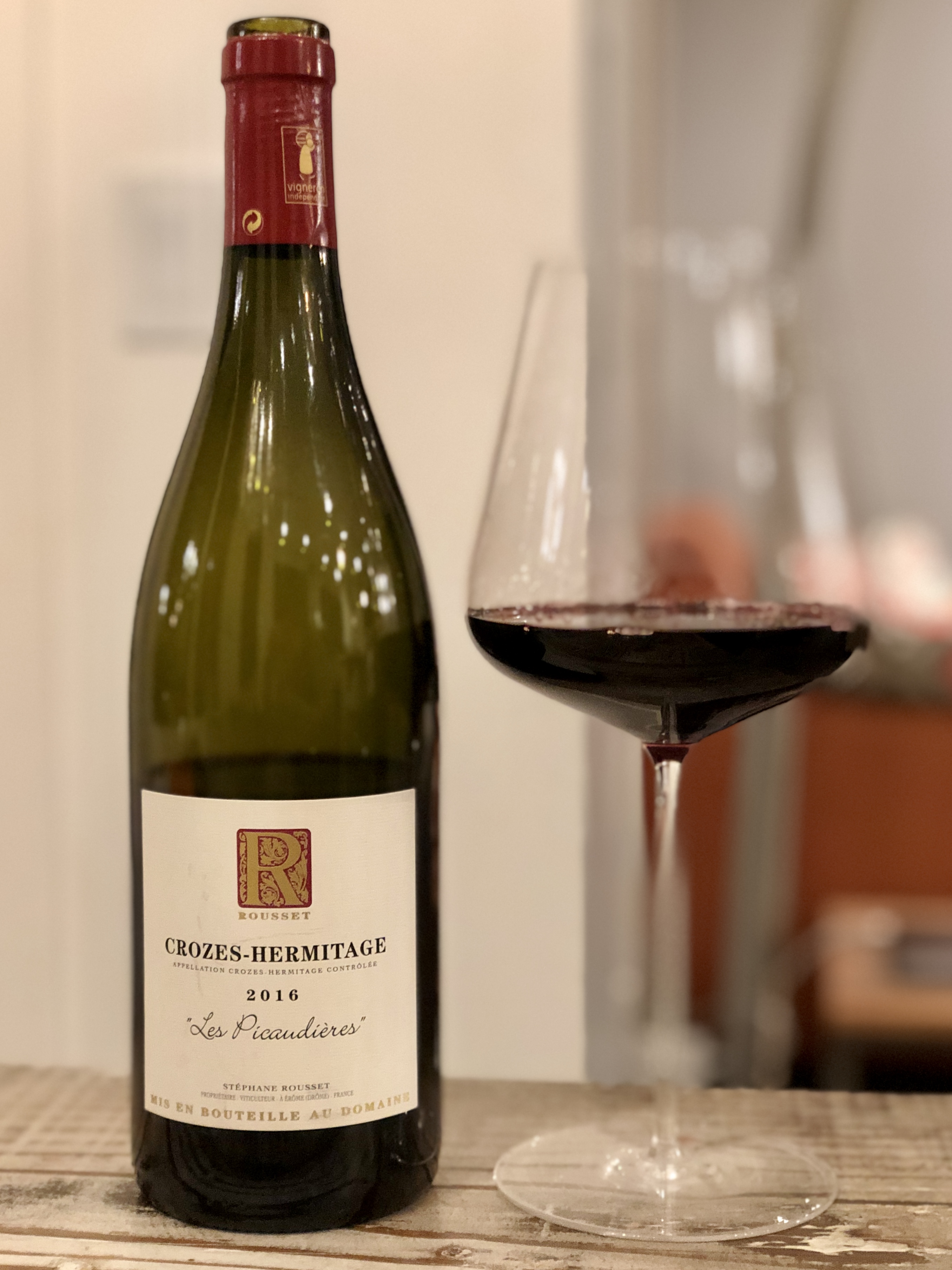

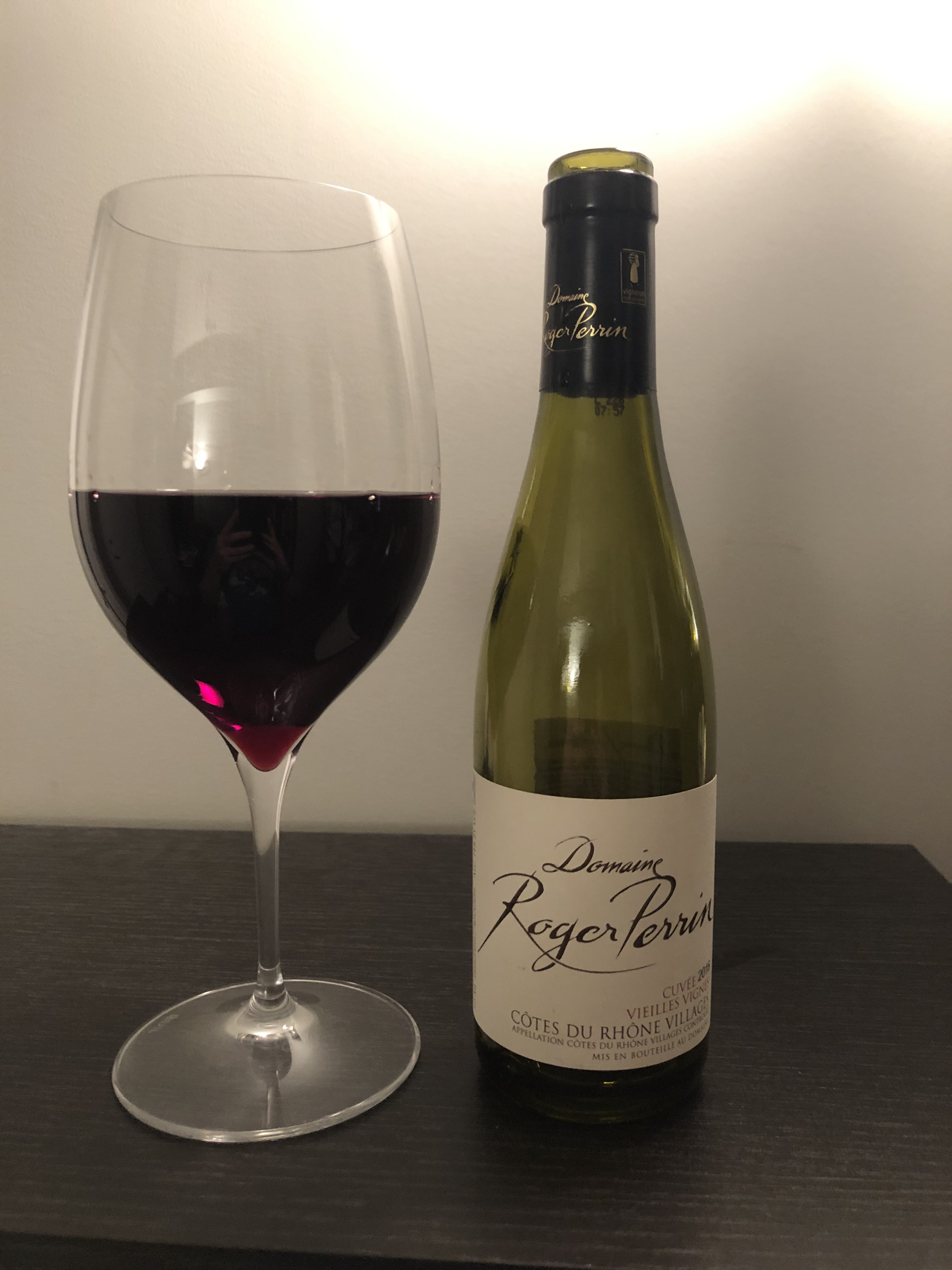
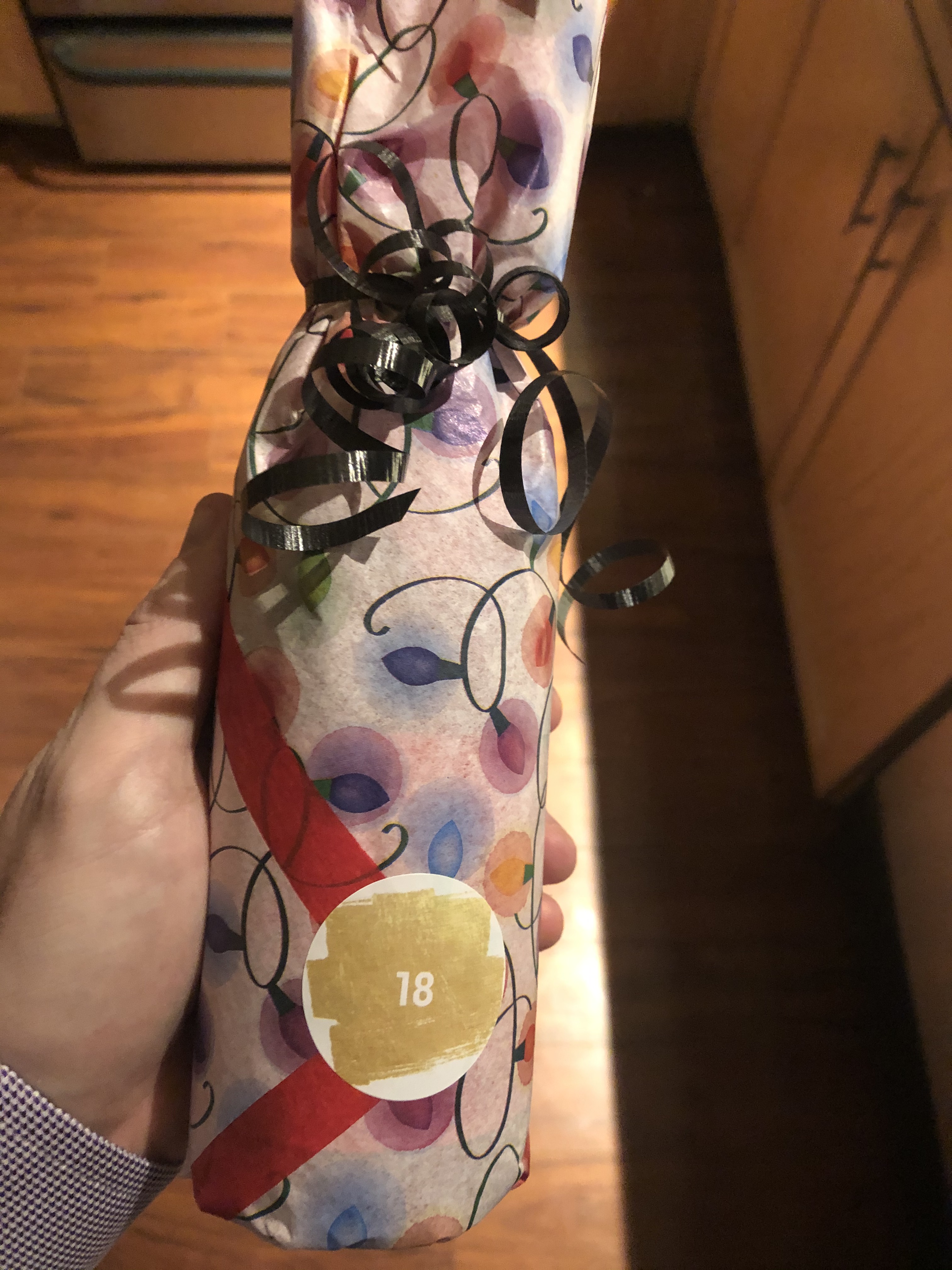 I’m not implying that I’m disappointed. In fact, this appellation is a deliberate step up in quality from the Cotes du Rhone per se. In the late 1960s, several villages successfully petitioned to include their names on wine labels, in exchange for being willing to submit to higher quality standards. These included the requirement that Grenache must comprise not less than 50% of any given red wine, with a further 20% consisting of Syrah or Mourvèdre in any proprotion. A maximum of 20% of other authorized varieties is also permitted, with these including various obscurities permitted in Chateauneuf-du-Pape (Cinsault, Muscardin, Vaccarese, Terret Noir) along with Carignan. At this point, the Cotes du Rhone Villages appellation has expanded to nearly 10,000 hectares, making it the second largest appellation in the Southern Rhone, half of which can add the name of a specific village to the label. Twenty villages can do this at the present time. This is starting to get the feel of the Dodo Bird verdict from Alice In Wonderland, where “everyone has won and all must have prizes”. Further reinforcing this notion is the fact that the other half of the appellation can distinguish themselves from generic Cotes-du-Rhône by adding the term “village”, albeit without a more specific moniker. The present bottle falls into the latter category, although the producer would certainly take umbrage with the notion that their wines are somehow worse than those labelled Visan or Roaix.


 You see, four of the suspects hailed from the cellars of the Hatch, subject of a
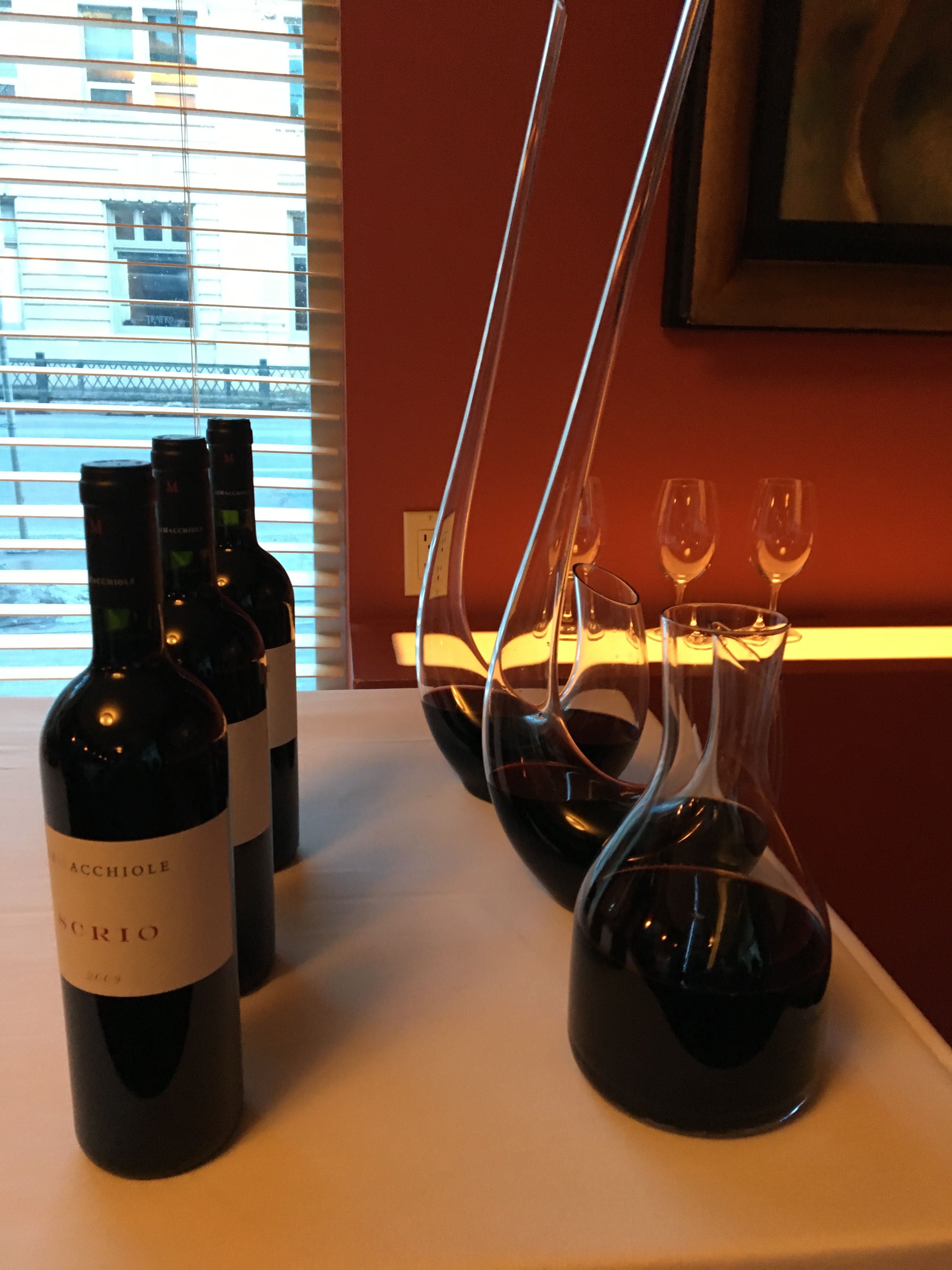
 I was attempting to pace myself until the second half of this tasting, wishing to avoid palate fatigue and endeavoring to preserve a fresh mindset for the crown jewels near the end. That delicious St.-Joseph in particular made this sort of patience challenging. I glance to the end of the written materials and there’s even a dessert wine to close things out. Wow. We did move quickly and this was a good thing. There was just enough time to analyze and enjoy some brief discussion about each wine. Part II begins with the “roasted slope”, peaks on Hermitage hill (the big reason we are all here!), and ends in … Beaumes de Venise?! Read on, faithful.








 cabernetdialectic (Raymond Lamontagne)
 Dan Steeves
 Peter Vetsch
 tylerderksen
 pop & pour