By Raymond Lamontagne
Riesling. I’ve been waiting for this Advent moment. In his delightful book “Reading Between The Wines”, Terry Theise proposes that Riesling is the greatest of all wine grapes, stating that nothing else so perfectly captures the essence of the land. Riesling is said to repress its own very nature in favour of serving as a pure conduit through which soil, climate, sunlight, farming practices, and the like can shine through: a changeling that mirrors the terroir. I’m not entirely sure about this, as I find Riesling pretty distinctive on the palate heedless of the wine region. Perhaps I’m being overly analytical. The sentiment is beautiful, and such a grape-land symbiosis likely fuels the ability to great Rieslings to provide a spiritual experience (if you believe wine can do such a thing… And I do).
Alsace Rieslings typically have less floral character than their German counterparts, often showing rather firm and lean in their youth. In the best vintages this austere baseline eventually blossoms into wines that can seem rather rich and “big”, but able to reflect vineyard character as adeptly as their German counterparts. Alsace is the driest wine region in France, far away from maritime influence and with the Vosges mountains providing further shelter. This warm, dry climate allows grapes to ripen slowly, yielding good aromas but not at the expense of acidity. Many top producers consider Riesling to be the most noble of the Alsace noble varieties, albeit one that can be difficult to work with due to its late-ripening proclivities and aforementioned responsiveness to site variation. Unlike the soft and immediately aromatic Gewurztraminer, Alsace Riesling requires patience, a dedicated cellar master with a fine attention to detail in the vineyard but a corresponding savvy around what to leave well enough alone during the winemaking itself. Enter the Hugel family. Read the rest of this entry »


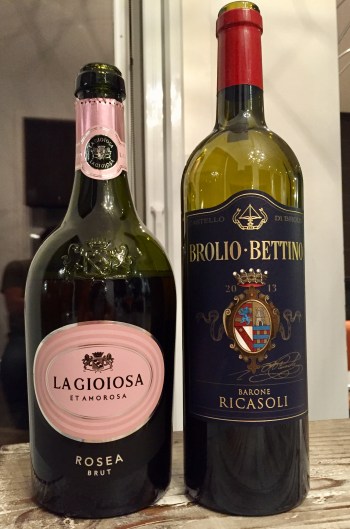



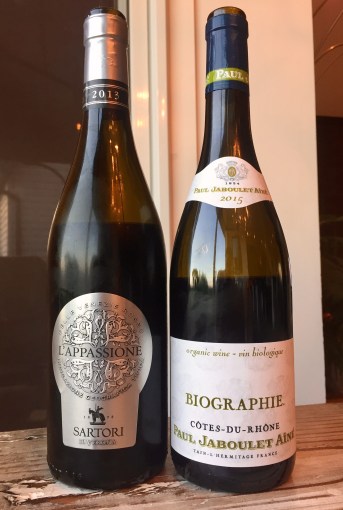 This will be the last PnP post for a while – in a couple days I’ll be escaping the country on summer vacation and will not be thinking much at all about word counts or flavour descriptors while I’m gone. Expect palm tree and sea turtle Instagram pictures and not much else until the end of the month. I therefore felt compelled to send off July on the blog with a double-feature, a head-to-head review of two Old World value level wines with near-identical just-a-shade-over-$20 price tags and almost nothing else in common. It’s Italy vs. France, a contest of different grapes, winemaking styles, vintages and approaches, with the main unifying links being longstanding traditional estates and a quest to over-deliver on quality for a supermarket price tag. Enjoy the summer!


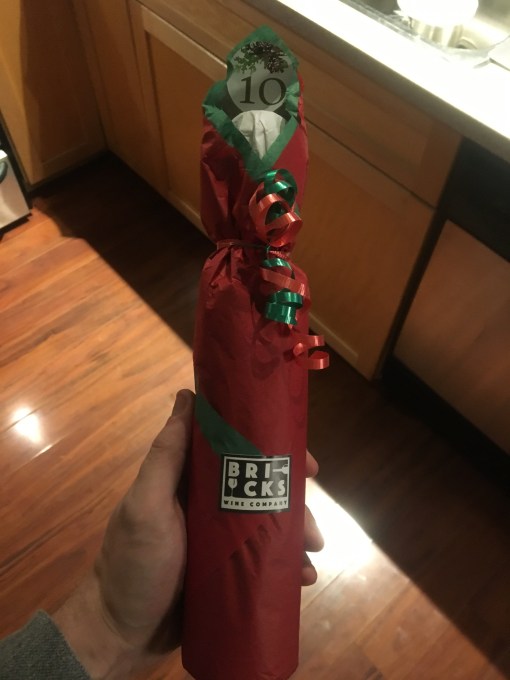
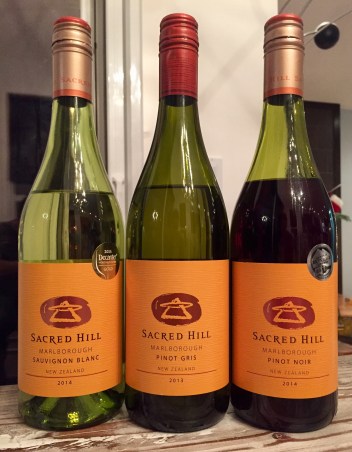 If you follow this blog (thank you!) and enjoy wine reviews (I do too!) but aren’t as into other forms of alcoholic beverages, I would suggest that you cherish this write-up. Mull over it. Take your time reading it. Stop halfway through and come back tomorrow to finish it. It will have to last you a long time. This is officially Pop & Pour’s last wine review until after Christmas, as on Thursday I dive headlong into Year 3 of Whisky Advent, with 25 straight days of write-ups about the little bottles sequentially coming out of


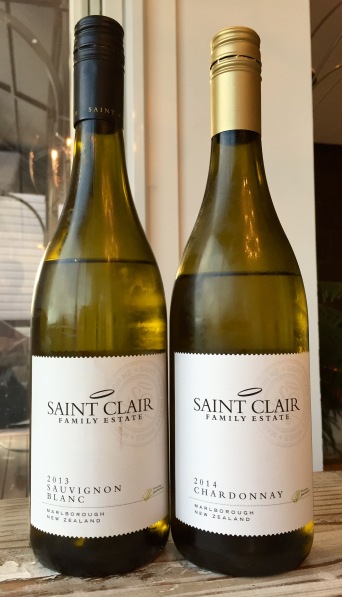 When you’re in a brand new wine shop or liquor store looking at a string of unfamiliar sub-$20 labels and hoping not to take a step too far wrong, the word “Marlborough” should be a huge source of relief to you. It is the name of New Zealand’s most famous wine region, and more than maybe any other star region on Earth whose bottles you can still grab without a price cringe, it offers a very high quality floor, a strong baseline that offers confidence that even the lower-end offerings on the shelf will be somewhat well-put-together. Marlborough, located on the northern tip of New Zealand’s South Island, is most renowned as the birthplace of Sauvignon Blanc’s most distinctive New World expression, that zingy, grassy, refreshingly searing style that almost anybody under 30 now associates with the grape. Producers there have locked down on that mythical combination of quality, quantity and value that make Marlborough the safest, if at times one of the more redundant, “I’ve-never-had-this-bottle-before” picks out there.
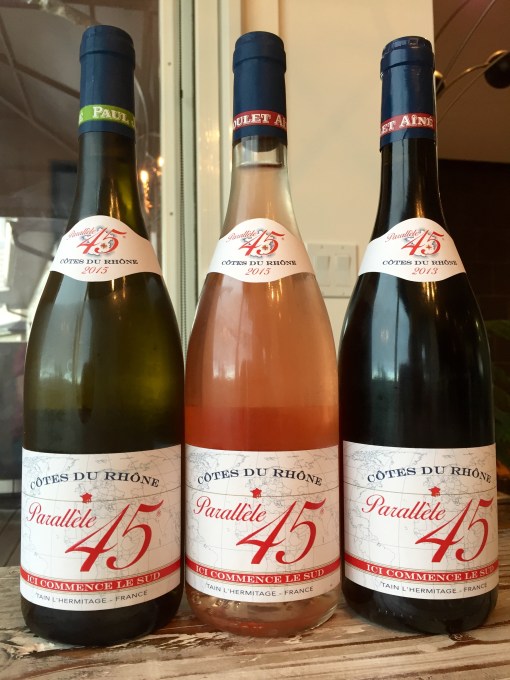
 Jaboulet’s Alberta portfolio is supplemented by a quartet of upper-echelon bottles from a group of distinctive quality regions scattered across the Rhone, each of which has its own character and legend to live up to, and each of which, I’m happy to report, Jaboulet and winemaker Caroline Frey reflect to a tee in these beautiful offerings. See my prior post for more details about this historic winery and its renaissance in our market; for now, we have a lot of wine to drink.


 cabernetdialectic (Raymond Lamontagne)
 Dan Steeves
 Peter Vetsch
 tylerderksen
 pop & pour