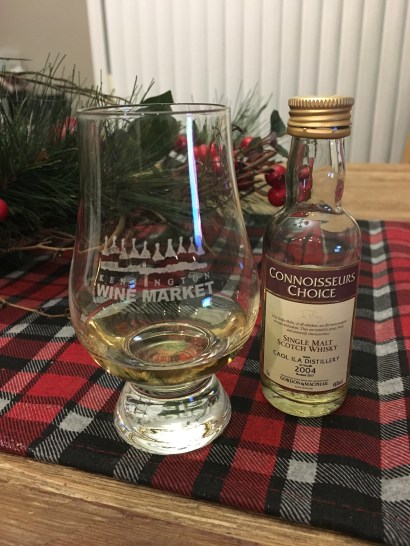
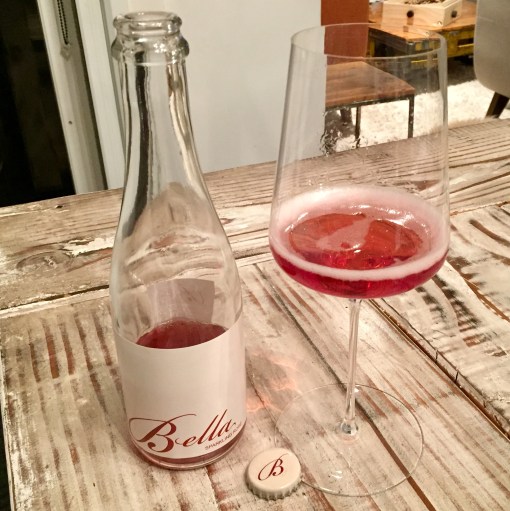
Bricks Wine Advent Calendar 2017: Day 21

21 12 2017

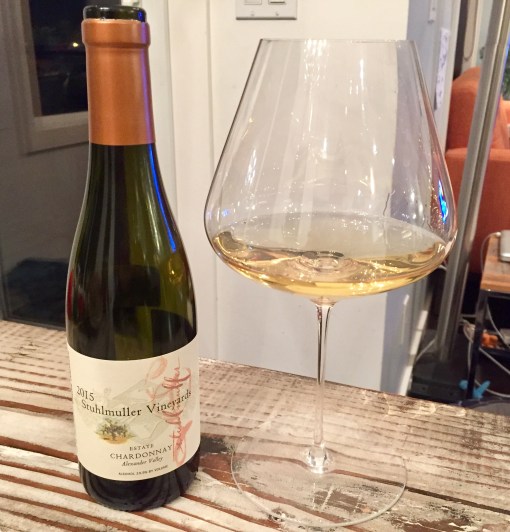
This is my second last wine post of Advent 2017:  the coming two days will see Dan and Ray post their Bricks calendar wrap-ups, and the next time you hear from me will be on Christmas Eve, for the grand half-bottle Advent finale.  It’s almost hard to believe our countdown to Christmas is almost done; it’s almost harder to believe that I actually survived it (though perhaps I shouldn’t say that yet).  And Bricks appears determined to send me off in style, because Day 21’s wrapping comes off to reveal an absolute firecracker of a Chardonnay:  the 2015 Stuhlmuller Vineyards from Sonoma’s Alexander Valley.  I think this grape is still in a down phase when it comes to much of the consumer world, but we seem to be entering a period where many of the regions previously responsible for Chard’s worst oaky boozy excesses have started to dial it in just right, at least on the quality wine side of the spectrum.  And there is no better representative of this evolution than California.
IMG_7307

Stuhlmuller Vineyards was founded by a husband and wife team who got their start in 1982 growing and supplying grapes to neighbouring wineries.  They didn’t become a full-fledged estate winery until 2000 but have already developed a reputation in the crowded California wine scene, particularly for Chardonnay, which makes up over half of its acreage.  The Alexander Valley is in the northeast corner of Sonoma, inland from the coast and due north of the better-known Russian River Ralley; its eponymous Russian River runs up and along the eastern edge of Stuhlmuller’s vineyards in Alexander’s southwest corner, where it and the Russian River Valley come together with Dry Creek Valley.  Much like Napa, the grape-growing conditions in the Alexander Valley are helped by two separate ocean-induced effects:  morning fog coursing in daily through the Chalk Hill gap, and cool nights spurred by ocean breezes, both of which provide the grapes relief from the scorching California heat, help preserve precious acidity and lead to more balanced ripening.  This bottle shows the results of all that climatic effort, clocking in at 13.9% abv.
IMG_7308

Cork Rating:  3/10 (Friendly advice – no phone numbers or websites on corks. This has both.)

This is Stuhlmuller’s “entry-level” Chardonnay, but it’s clear from the start that no shortage of care went into its creation.  It was fermented sur lie (on its spent yeast cells) over 8 months and matured in French oak, mostly small-barrel barriques but only 5% new.  It is a rich golden colour in the glass and finds that perfect harmony between Chardonnay’s careful fruit and oak’s at-times exuberant influence, mixing fresh pear, peach and Granny Smith apple pie with ginger chews, almond shortbread, oatmeal cookies and rubber boots.  Simultaneously full and cutting on the palate, the Stuhlmuller’s oak-aided roundness is run through with a table saw of slicing acidity.  It is beautifully poised on the tongue without losing the weight and body that is a defining feature of Chardonnay, a honeyed swirl of caramel apple, white flowers and a bracing quality on the finish like a cool sea breeze.  Refined and restrained but still California in essence — exactly what New World Chardonnay should be.

92 points


Bricks Wine Advent Calendar 2017: Day 18

18 12 2017

For those few brave stragglers who have stuck with us through this dual Advent adventure, we are three-quarters of the way there.  This is the last wine of the third of four columns of the Bricks Wine Advent crate:  we are a week from Christmas and six wines from having to pick our own bottles again for dinner.  Tonight’s bottle is a bit of a double-take wine, a Canadian split that is five years back-vintage for an offering that currently retails for around $20 for a full bottle (out east, at least).  It’s not often that I get a chance to see how value-priced local wines stand up to a bit of time, though I would love to hear the story of how Bricks came across this as a calendar opportunity.

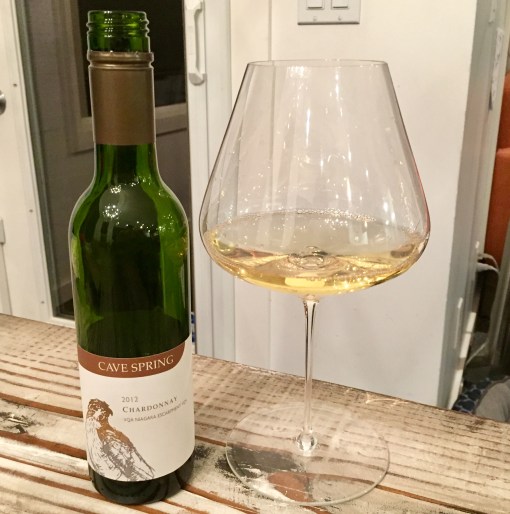
IMG_7282

“This” is the 2012 Cave Spring Chardonnay from the Niagara Escarpment region.  The winery was the first to plant vinifera grapes in Niagara and among the first to recognize the vinous potential of the region.  It was also the first in Niagara to tack on its own spa as a tourist attraction, making it an early leader at recognizing the area’s business potential as well.  The Niagara Escarpment line of wines represents the second of four tiers of Cave Spring wines, where grapes are sourced from multiple different vineyards within the subregion; the most interesting part of this wine is that it appears to be a blend of standard Chardonnay grapes with Chardonnay Musqué, an aromatic, floral, spicy mutation of the varietal that adds some olfactory punch to what can otherwise be a fairly neutral grape.

IMG_7280

RED wine???

One thing about half-bottles is that they accelerate a wine’s aging curve, because (1) oxygen is the primary thing that matures (and ultimately degrades) a wine and (2) there is a greater ratio of oxygen to wine in a 375 mL split because the ullage (the space between the wine and the cork at the top of the bottle) is the same for all sizes of wine.  This 2012 is therefore further advanced in its life than a standard bottle would likely be, and it’s starting to show.  The wine is a shimmering lemon-gold colour in the glass and showcases its multi-clone blend in a musky, tutti-frutti nose of honeydew, Meyer lemon and cantaloupe, accented by remnants of once-toasty oak and sulphur-y struck matches.  Medium-bodied, with still-present scruffy barrel tannin and fading acidity, this Chardonnay is not quite sure where it is on the palate:  the fruit has kind of gone to a murky place, the oak has resolved to a pastry crust/vanillin glaze, and the wine overall seems to have one foot each in two different stages of development, clinging to the remains of its youth while also giving in to the inevitability of age.  I think it likely would have stood out more a couple of years ago, but it remains a solid expression of what Niagara Chardonnay can do at a wallet-friendly price.

87+ points

IMG_7281

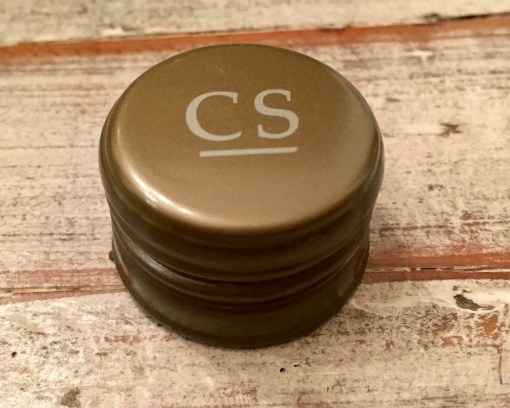
Steven Rating:  6/10 (Dig the colour, but there’s only so high I can go with two underlined letters.)


Bricks Wine Advent Calendar 2017: Day 15

15 12 2017

Tonight’s wine might suffer from a disconnect between actual and anticipated identity.  When the first words you note on a label are “California Viognier” and the listed alcohol clocks in above 14%, you think you’re in for a fun, flouncy, slightly provocative stone fruit and flower party.  When the label in question is from an Oakville winery, based in the heart of Napa, which is the heart of big, brash, Cali wine, you doubly brace yourself in anticipation of something raucous.  This bottle is solidly drinkable but has none of that carefree, sultry attitude.  It’s Viognier without joy.

IMG_7256

Miner Family Winery was founded by a husband and wine team in 1996, making this 2015 Miner California Viognier their 20th anniversary vintage bottling.  They make an astonishing array of wines, from Cab and the other Bordeaux varietals to Burgundy’s Pinot Noir and Chardonnay to the reds and whites of the Rhone Valley to Tempranillo and Sangiovese.  There are multiple bottlings of most of these, so their winemaker obviously stays busy.  The winery’s pride and joy is likely its 20,000 square feet of underground cellaring caves carved into a Napa rock face, which were dug at great expense shortly after Miner came to be.  Despite being Napa-based, they source from across the state of California, as evidenced by the straight “California” designation on this particular bottle.  62% of this Viognier comes from a single vineyard in Paso Robles, while the other 38% comes from the Sierra Foothills; since the wine crosses appellations, it has no choice but to revert to the broader state-wide statement of origin on the label.

IMG_7259

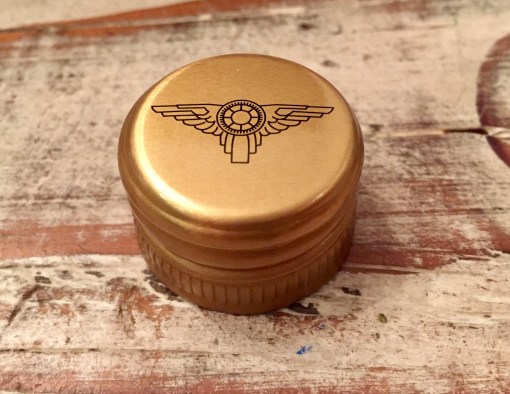
Stelvin Rating:  8/10 (Love the gold, love the sun god logo, love the interest yet simplicity.)

The 2015 Viognier is a surprisingly pale lemon colour coming out of the bottle, partly due to the lack of any oak treatment (which deepens the colour of white wines).  It is almost shockingly lean and citric for a 14+% abv California Viognier, leading with lemon zest and mountain stream aromas backed by frozen honeycomb, Tums and talcum powder.  It broadens slightly in waxy, watery ways on the tongue, adding tart pear fruit and some kind of tropical musk, but retaining an overall sense of distance and a prevailing greenness — fresh leaves and flower stems, grass and baby spinach — finishing with a touch of astringency.  Viognier’s trademark bouncy peachiness and sensual mouthfeel don’t make an appearance, almost like these grapes were picked before those elements got there (harvest dates: August 19th-27th); despite significant sugar ripeness, the phenolics and ultimate character of the wine never quite caught up.  I had no issue crushing the bottle, but this would not be the expression that Viognier sends with its cover letter to land a job interview.

87- points


Bricks Wine Advent Calendar 2017: Day 10

10 12 2017

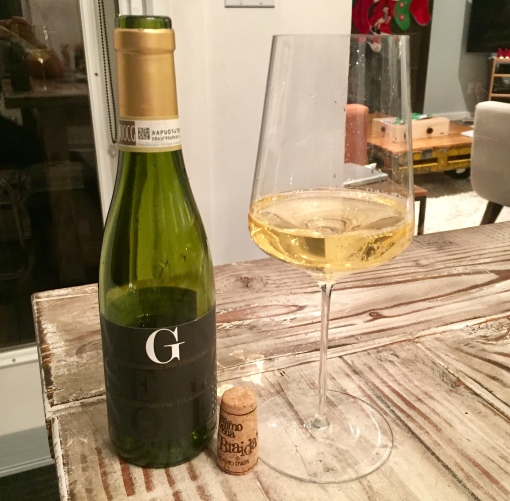
I think it is officially Sugar Coma Weekend in the Bricks Wine Advent Calendar.  When the COMBINED alcohol level of your Saturday and Sunday wines is 12%, you know you’ll be facing an armada of unfermented grape sugar in the bottle.  After last night’s 6.5% abv Auslese Riesling, I thought we had hit our December alcohol floor, but the 2015 Braida “Vigna Senza Nome” Moscato d’Asti will see that 6.5% and raise it (well, technically, lower it), clocking in at an almost juice-like 5.5%.  The wine’s name roughly translates to “Vines Without Names”; the roughly dozen online sources I consulted trying to find out why declined to say so, though most of them noted that the corresponding motto on the front label “Sator Arepo Tenet Opera Rotas” means “the farmer at the plow chooses the path”, which is reflective of this classic producer’s focus on the quality of the vineyard, even if they decline to name the vines in it.

IMG_7219

I love Moscato d’Asti.  At its best it is equally refreshing and luxuriant, searing and delectable, a frozen rope of distilled fruit essence that disappears from the glass before you even notice.  It is made from Moscato Bianco grapes grown around the famed town of Asti, in the heart of Piedmont, which are harvested then crushed and immediately refrigerated before fermentation so that the yeasts don’t immediately kick in.  The cooled must is then transferred to pressurized sealed steel tanks before fermentation is allowed to begin; as the grape sugars are converted to alcohol, carbon dioxide is released as a by-product, which can’t escape the tank and gets dissolved into the wine.  Once the alcohol content clocks above 5% (which is WAY before all of the sugars are fully converted), the whole tank is chilled down to near freezing so that fermentation stops, after which the yeasts are filtered out and the wine is bottled under pressure, leaving an intensely sweet, slightly bubbly bolt of lightning for patio enjoyment.  It is best consumed as early as possible, when acids are crisp and bubbles are buoyant, and there is little to be gained in trying to mature it.

IMG_7220

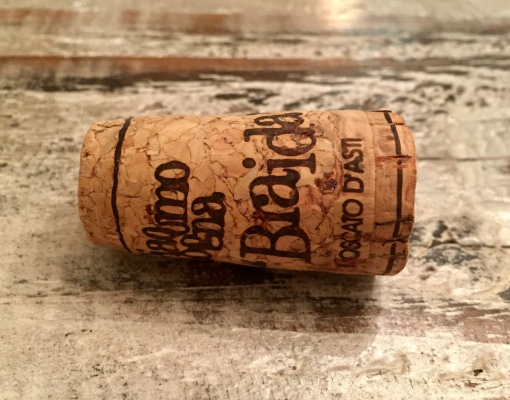
Cork Rating:  6/10 (The extra expansion and vertical writing are winning somehow, even if the cork as a whole is bland.)

This 2015 Vigna Senza Nome is a surprisingly golden colour for a Moscato and has a slightly syrupy nose of baked pear, bruised apple, honey and caramel to go with brighter tropical and Fuzzy Peach notes.  Some lift remains on the palate in the form of hedonistic melon, lychee, blood orange and bergamot, but much of the life and effervescence that normally characterizes this style and expression has been faded away, whether due to time (it’s only two years old, but Moscato’s probably best at 20 minutes old) or (more likely?) due to storage conditions between its bottling and its insertion into the calendar. I’ve had this exact bottle multiple times before, albeit never in back vintage form, and this is the first time it’s tasted heavy; the bubbles aren’t quite up to the task of scouring away the sweetness, and quiet acidity doesn’t provide enough of a helping hand.  It’s still completely delicious, but it is drained of some of its usual joy and not quite showing at its peak.

86 points


Bricks Wine Advent Calendar 2017: Day 7

7 12 2017

In the first sign of undeniable Advent progress, we have finished the first six-pack column of the Bricks Wine Advent Calendar crate and are heading into the second.  Hard to believe that Advent is already 25% over, apart from living 12 posts from 4 different people over the last 6 days and thinking about repeating that pattern 3 more times.  The folks who compiled this calendar obviously have a love of the classics, as the first week of half-bottles, apart from the inaugural Canadian-sparkling-Gamay curveball and the glorious interlude into Austrian Gruner on Day 3, has been like reading the chapter titles of a Top Wines of the World textbook:  Brunello, Beaujolais Cru, Marlborough Sauvignon Blanc, Burgundy.  And if you look for the regional chapter title for pink wine, you will probably end up in Provence.  And if you end up in Provence, there is a greater likelihood you will find this wine than any other.

IMG_7191

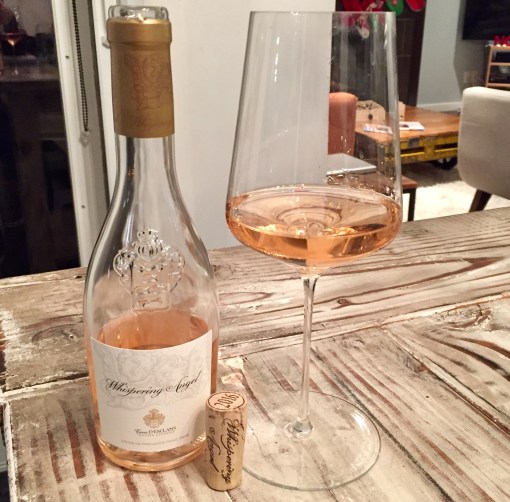
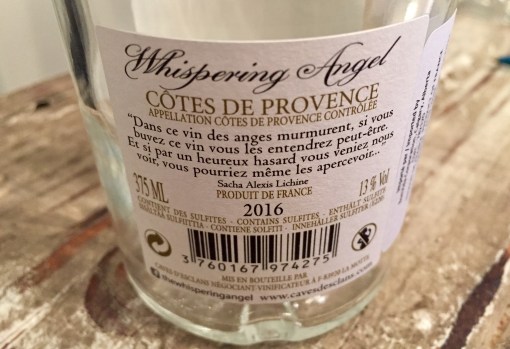
Whispering Angel is a behemoth.  The Chateau d’Esclans estate was struggling when Bordelais Sacha Lichine bought it in 2006, inheriting vineyards in disrepair but featuring 80-90 year-old Grenache vines and a production with no market presence.  Lichine, looking out on the sunny French Riviera from his estate, identified a gap in the market:  heavy, sweeter white-Zinfandel-style rosé could not quench your beachfront thirst on a scorching day.  He conceived of rosé as a serious wine, made clean and light and dry, meant to disappear at resorts and in backyards with the drinkers scarcely noticing, pausing only to reach for the next bottle.  Whispering Angel, released the following vintage, went from 13,000 cases to over 375,000 cases of production within a decade.  If you’re counting at home, that’s 4.6 MILLION BOTTLES of the current 2016 vintage, sourced from a full 500 hectares of grapes from d’Esclans estate fruit as well as a swath of neighbouring vineyards.  To understand just how much of a thing it now is, you can now buy Whispering Angel gummy bears…that is, you could until they all sold out.

IMG_7193

Cork Rating:  5.5/10 (A perfectly cromulent cork.)

Whispering Angel has its formula down cold:  a blend of Grenache, Rolle (a.k.a. Vermentino – a white grape) and Cinsault, crushed and briefly macerated at very cool temperatures to prevent oxidation and preserve fresh flavours, fermented in stainless steel tanks and served icy cold, ideally on a yacht.  It succeeds, and continues to pull in critical acclaim despite becoming its own commercial empire, because the formula works:  it is both tremendously refreshing and carefully unobtrusive, thirst-quenching yet generally unmemorable.  It is a super pale farmed-salmon colour in the glass and delivers up citric aromas of lemon pulp, pink grapefruit and unripe peach, dusted with ginger and an herbal greenness like basil or chives and overlaid with a chalky minerality.  Its lithe, svelte body brings a splash of bracing freshness, like new snow, and ghostly notes of strawberry, tangerine, copper and lemon-lime, finishing tart thanks to straight lines of potent acidity.  It executes its mission to perfection and has spawned a thousand imitators, but for me the rosé category has lost a bit of its sense of interest as a result.

89- points

IMG_7195


Bricks Wine Advent Calendar 2017: Day 5

5 12 2017

By Dan Steeves

As a loyal reader and follower of Pop & Pour for the past few years, it is a great honour to have the privilege to contribute to the blog today! I am often reminded of how great the wine community is in YYC; how generous people are, and how so many people enjoy talking, experiencing, and sharing wine with each other. Today marks my first attempt at wine blogging, and I’m hoping the community goes easy on me!

img_4687

The streak of great wines continues on Day 5 of the Bricks Wine Advent Calendar with a delicious Sauvignon Blanc from Spy Valley Wines, based in the Marlborough region of New Zealand. Sauvignon Blanc is the heart of the New Zealand wine industry and the Marlborough region (located at the North end of the South Island) is where the majority of it hails from.  A combination of close proximity to the ocean, protective mountain ranges, high diurnal temperature variation (temperature change between day and night), and plenty of sunlight, all provide the Marlborough vineyards a long ripening time and help preserve the flavours and acidity in the grapes. When it comes to New World SB, there is no doubt that New Zealand is at the top of the podium.

Spy Valley Wines is a relative newcomer in the wine world, choosing to cultivate land in the Waihopai and Wairau valleys of Marlborough back in 1993. The winery gets its name due to its close proximity to an actual spy base (an international satellite communications monitoring facility) and they take their clandestine efforts seriously. It may not be noticeable at first (which is the whole point) but see if you can locate and decipher the secret codes found on the bottle and closure. You won’t need an enigma machine but you might want to use this website for help.

img_4691

Sleek and simple design with integrated Morse code on the label and screw cap! 🙂

Upon opening this wine and taking the first sniff, it is no secret what the wine is and where it is from. The wine has a clean nose with intense aromas of lime, grapefruit, melon, lychee, grass, and the telltale bell pepper. New Zealand Sauvignon Blanc is known for having bright and fresh citrus and tropical aromas as well as a green herbaceous side and this wine displays both, just as it should. On the palate, the wine has crisp acidity that gives a little zing on the tip of your tongue and shows flavours of lemon, lime, grapefruit pith, and green bell pepper. The wine displays a slight creamy texture, perhaps due to the 8% of the wine that is barrel fermented, but it is still light on its toes like a stealthy agent on duty.

88 points
Thanks to Bricks for introducing me to a beautiful wine. Another successful day of the Bricks Wine Advent Calendar completed!

2-Isobutyl-3-methoxypyrazine.svg

3-isobutyl-2-methoxypyrazine – aka Pyrazines – the compound responsible for the bell pepper aroma in wines can be found in many Bordeaux wines (Sauvignon Blanc, Cabernet Sauvignon, Cabernet Franc, Merlot, etc.) and is detectable in very low concentrations


KWM Whisky Advent Calendar 2017: Day 5

5 12 2017

By Tyler Derksen

As a reader of Pop & Pour from its inception, and a lucky participant in many tastings written up here, it is a thrill to be a guest-writer this Advent season.  While I am a big fan of wine, scotch is my first love when it comes to alcoholic beverages and it was a with enthusiasm that I accepted the opportunity to assist in writing up the whisky offerings in this year’s Kensington Wine Market’s Whisky Advent Calendar. I will certainly do my best to try to keep my personal biases out of these reviews; however, today is an unfortunate day for such an attempt, as the whisky du jour is the Gordon & Macphail Connoisseurs Choice bottling of 2004 Caol Ila.  Caol Ila (pronounced “cull-eela”) comes from the island of Islay, my favourite scotch region – so much so that I may have named my daughter after the island due to my love of the scotches produced there.

The Caol Ila distillery is located on the northeast coast of Islay overlooking the Sound of Islay, for which the distillery was named.  From the distillery one can look across the sound and see the island of Jura close by.  The distillery was founded in 1846 and is now part of the global spirit powerhouse Diageo.  Although Caol Ila makes remarkable single malt scotch, much of its significant production is used for blending, including in Johnny Walker.

IMG_4100

Today’s whisky is the younger (but more aged) sibling of the Connoisseurs Choice 2003 Caol Ila from the 2015 KWM Whisky Advent Calendar.  Judging by those tasting notes, however, this bottle is quite different.  The whisky was aged in first and refill bourbon barrels and is a light golden colour in the glass, characteristic of Caol Ila which is typically lighter in colour than many of its Islay cousins.  On the nose, the 2004 Caol Ila has the characteristic Islay peat, pronounced but not overpowering.  Mixing with the peat are aromas of fresh baked bread, caramel, banana and a subtle citrus note.  On the palate, the smoky peat remains well-balanced and does not obscure flavours of orchard fruit, vanilla, banana and baking spice with a hint of citrus zest lightening things up.  The finish is long and surprisingly it is the baking spices, not the peat, that stick with you.  I have yet to try a Caol Ila that I did not enjoy, and this offering is no different.  An auspicious start to my blogging career!


Bricks Wine Advent Calendar 2017: Day 1

1 12 2017

I am a realist when it comes to the reach and impact of this blog.  Calgary has a remarkable, informed, ambitious, impressive local wine scene, and my only goal in starting up this site years ago was to be a tiny voice in that massive chorus and find an outlet for my passion, whether anything came of it or not.  For the most part, I am simply an observer, experiencer and occasional reporter on the goings-on of Calgary wine life.  However, in this case, it’s at least possible that I was the catalyst for a great idea that Bricks Wine Company has now expertly executed.  About 12 and a half months ago, after seeing another set of annual Advent releases go by absent a particular format that I thought would be perfect for the occasion, I vented into the black void of Twitter…and was shocked to see somebody almost immediately respond and take up the task:

It’s one thing to send a two-word response on social media, and quite another to spend the time and effort to specially source two dozen half bottles of wine to assemble an Advent calendar for the NEXT year, so I didn’t allow my hopes to leap too high at the time, but now here we are, on December 1st, 2017, and I’m looking at a wooden crate filled with 24 beautifully wrapped and meticulously selected 375 mL splits, my Advent dream realized and in the flesh.  I am filled with awe and gratitude, and I haven’t even opened anything yet.  Way to go, Bricks — you really did it.

IMG_7027

And if I was excited BEFORE peeling back the wrapping on Day #1, my anticipation only intensified after seeing what was on tap for Calgary’s inaugural Half-Bottle Wine Advent Calendar:  wine geek paradise.  Bella Wines is a producer about whom I have heard a ton over the past year, without yet having had the chance to try their wines for myself.  Bella is British Columbia’s only winery that is exclusively devoted to the production of sparkling wine — all bubbles, all the time.  And their approach is brutally uncompromising:  all natural farming, traditional method Champagne-style fermentation (where the secondary fermentation creating the fizz takes place in each individual bottle in which the wine is ultimately sold), all single-vineyard single-varietal expressions, wild yeast fermentation, no additives, no dosage; nowhere to hide, no messing around.  Bella makes multiple different bottlings of both pink and white bubbles, with their pigmented production focused entirely on the Gamay grape, which they believe has unheralded potential in the sparkling world.

IMG_7153

Crown Cap Rating:  8/10 (Stylized and retro, great font, CROWN CAP – I’m all in.)

So if you’re keeping track at home, Day 1 of Wine Advent features an Okanagan traditional-method single-vintage sparkling Gamay natural wine:  the 2016 Bella Sparkling Rosé Brut Natural “Westbank”.  Hot damn.  Bella releases annual sparkling Gamays from vineyards both west and east of Lake Okanagan, and the Westbank hails from the Beaumont Estate Vineyard in West Kelowna, on the slopes of Mount Boucherie. It is a beautifully confident deep watermelon colour in the glass (yay, non-deathly pale rosé!) and makes an emphatically lean, tart and frothy impression, launching aromatic bullets of cranberry, sour cherry and pomegranate fruit laced with grape skins and handfuls of gravel.  The flavours are pure and unforgiving, the lack of any added sugar after secondary fermentation clearly evident, the wine sharp as a razor’s edge on the finish thanks to Ginsu acidity and circular saw bubbles.  This Gamay practically vibrates with energy and electricity from the moment it hits the tongue, and that coiled tension doesn’t ever release:  not when the bubbles burst, not when you hold it in your mouth, not when you swallow.  It’s like watching a thriller movie that never ends.  If this is Day 1, we are in for a SERIOUSLY impressive Advent.  I did not know Okanagan bubbles could be like this.

90+ points

IMG_7151


Wine Review: Dirty Laundry, The Whites

2 11 2017

[These bottles were provided as samples for review purposes.]

IMG_7014

One of these things is not like the other…

Now that snow has blanketed the land and any remaining warm thoughts in Calgary’s mind have been augured away by blistering Arctic winds, I can fully admit that I tasted these Dirty Laundry wines in the wrong order.  I cracked the rosé and red portions of my sample pack back when fall was still a thing (last week) and saved the sunny patio portion of the tasting until it seemed like a cruel joke; serves me right for breaking with orthodoxy and not going lightest to heaviest like the textbooks all say.  But we persevere. I’ve always found Dirty Laundry’s white lineup to be a bit more impressive and consistent than its reds, and they have a particular affinity for Gewürztraminer, the grape that everyone seems scared to focus on too heavily but which truly rewards any such special attention.  However, tonight I got to dive into two bottles that I hadn’t tried before today, starting off with my favourite grape of them all. Read the rest of this entry »


Wine Review: Dirty Laundry, Pink & Red

26 10 2017

[These bottles were provided as samples for review purposes.]

IMG_6987

Okanagan label mastery.

Dirty Laundry is a winery best experienced in person, as it features a combination of location, history and brand awareness that is next to impossible to top.  It is perched up above the ideally named Summerland, BC, elevated over the Okanagan’s main highway, with vineyard views for miles and a patio strategically located to be drenched in scenery.  This spot was once, back in the era of the Canadian Pacific Railway’s initial construction, the home of a renowned and well-attended laundry service run by an AWOL railroad construction worker who had found a more lucrative calling; his fortune, and the popularity of his laundry business, was due in no small measure to the brothel being run discreetly on the upper floor while the clothes were cleaned below.  A couple of centuries later, the business currently occupying the land knows a good story when it sees one and has turned the tale of the dirty laundry into a branding behemoth that seeps into everything from wine names to labels to tasting room decor to the guest homes for rent on the property, the Bordello House and the Parlour House.  They commit to the identity, keep their humour on high alert and leave their prudishness at the door, and people keep coming back.

The wines themselves may be in a state of flux, caught between wanting to appeal to the widest possible audience and the crowds in for a good time and a novelty bottle-stopper and aiming for a higher level of quality, a product that captures attention in a different way.  I am rooting for them to succeed, as personality and creativity and branding effort are more than welcome in my own world of wine.  The below releases, recent rose and red offerings from Dirty Laundry and the first of a two-part review series, were an excellent chance for me to check in on the winery for the first time in a while and see where they were on their cheeky, quirky voyage. Read the rest of this entry »


Wine Review: 2012 Torres Mas La Plana

16 10 2017

[This bottle was provided as a sample for review purposes.]

IMG_6952

Cabernet royalty.

It’s Calgary municipal election night, so my plan was to put off this review until tomorrow.  Then I sat here for 10 minutes biting my fingernails and hitting “refresh” on the election results page on my phone every 60 seconds and realized that (1) the next four years of my civic life weren’t about to reveal themselves anytime soon and (2) I could use some guaranteed good news tonight regardless of political outcome.  And nothing screams “guaranteed good news” like the flagship wine of Miguel Torres, the most consistent larger-production winery I know.

If you have a photographic memory of this blog, you may remember that I have told the story of Mas La Plana once before; if you don’t, you can take solace in the fact that I almost didn’t remember this fact myself.  Nothing about this wine is quite as expected.  It is 100% Cabernet Sauvignon from Penedes, the heartland of Cava in eastern Spain near Barcelona, an area not remotely known for big red wines but blessed with numerous altitudes and microclimates that allow for pockets of warmth and create opportunity for special sites like the one that birthed this bottle.  It hails from a 29-hectare single vineyard planted before I was born, from Cab vines introduced to Spanish soil between 1964 and 1979 based on cuttings from numerous prior homes, including 1st Growth Bordeaux chateaux.  It looks strangely at home in a Burgundy bottle, unlike any other Cabernet Sauvignon I have seen on a shelf.

IMG_6955

Penedes was the first region in Spain to start using modern winemaking techniques like stainless steel temperature-controlled fermentation, and Torres uses them to great effect here to create a bottle that seamlessly communicates Spain’s history and potential to a global wine world, that imbues the Earth’s most ubiquitously successful commercial grape with the essence of the Torres family’s heartland.  Mas La Plana tells a story that was heard almost immediately, as the wine’s inaugural 1970 vintage beat out Chateau Latour and numerous other luminaries in the Cabernet category of French magazine Gault-Millau‘s 1979 Wine Olympics (which weirdly was the exact same competition that put Oregon Pinot Noir on the world map thanks to Eyrie Vineyards’ stellar showing against the best of Burgundy).  Yet it still retains its humble family roots:  its neck foil reads “Vinetum Paganicus”, a term sometimes used to designate top wines but which to the best of my meagre Latin translation ability appears to simply mean “vineyard of a village”. Read the rest of this entry »


Cellar Direct: Summer Vibes, Part 3

7 09 2017

[These bottles were provided as samples for review purposes.]

FullSizeRender-723

So different, yet so marvellous.

Well, the leaves in my backyard are starting to turn yellow and fall, and my kids just started a new year of school, so it’s probably a good time to wrap up my multi-part summer saga featuring the always-impressive old school wines of Cellar Direct, an online purveyor of European treasures that it offers up to a list of eager email subscribers and then ships nationwide when weather permits.  I recently had the chance to meet Ron van Schilt, one of the founders and owners of the business and the man in charge of sourcing all of the wines offered up across Canada, and his love and passion for his producers and their creations is physically palpable in every word he speaks.  Serious Wines all, and wondrous finds.

Cellar Direct sent me a six-pack sampler of their prior 2017 offerings at the start of the summer that I have been devouring in twos over the past couple months; to see how Wines #1, 2, 3 and 4 showed, click here then here for the recap (hint:  well, well, well and well).  Time to see if the last duo of bottles follow suit.  Like everything else in this offer set, they hailed from France and were the product of hand-worked soils and low-intervention winemaking, but they had basically nothing else in common.  I started off with a familiar face, and a blast from the past. Read the rest of this entry »


Cellar Direct: Summer Vibes, Part 2

9 08 2017

[These bottles were provided as samples for review purposes.]

FullSizeRender-691

There’s something to be said for obscurity.

Summer is the time of sequels, and when the original is good you look doubly forward to the reprise.  (I should know:  my wife and I watched Cars 3 on the weekend with my oldest and his mini-me brother.)  Last week we got a brief glimpse into what national wine club extraordinaire Cellar Direct has been offering up to its email arsenal of subscribers in 2017, but the hits don’t stop there, as I still have a quartet of temperature-control-shipped CD French gems to take out for a spin.  Bring on the encore.

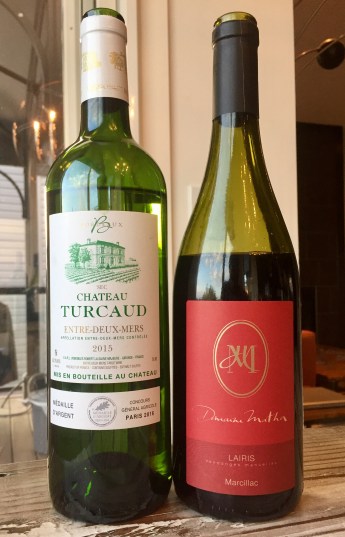
If you missed the start of this ongoing review saga, click here to catch up on what Cellar Direct is all about (TL;DR:  they’re a weekly-offer Canadian e-merchant with an Old World network of connections bordering on the incredible and a passion for low-intervention hand-made wines).  The initial duo of offerings I tasted took us a little bit off the standard retail track, to Loire Valley Cabernet Franc and Cahors Malbec.  Tonight’s pair nearly gets us lost in the wilderness, starting with an obscure white Bordeaux from the lesser-known Entre-Deux-Mers and then dropping the compass and setting the map on fire with a wine made from 100% Fer Servadou grapes grown in the Marcillac region of southwest France.  I didn’t make up any of those words, and I can assure you that after trying the wine they reference, I won’t be forgetting them anytime soon. Read the rest of this entry »


Wine Reviews: Red ShowDownUnder

13 06 2017

[These bottles were provided as samples for review purposes.]

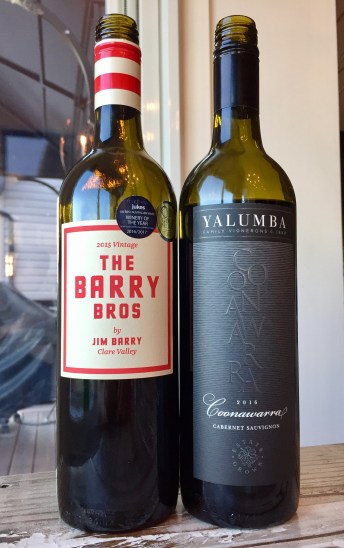
FullSizeRender-646I first got seriously into wine about 10 years ago, when the Australia Phenomenon was in its heyday and Argentinian Malbec was just a glint in some clever investor’s eye in Mendoza.  Yellow Tail Shiraz was my gateway drug, a fact that is assuredly true of more than one of you currently reading this as well.  Looking back now on the Australian wine scene then, there are still tons of similarities.  Critter wines, like it or not, are still a thing. On the quality pinnacle, the high-end wines from Down Under rocking people’s worlds in 2017 aren’t that different from those doing so in 2007.  But I’ve noticed a couple clear differences in the imports from Australia that have evolved over the last decade:  first, a welcome explosion of site-driven elegance from the cooler areas of the country, be it Pinot from Yarra or Mornington or bubbles from Tasmania or the laser purity of some of the post-modern wines coming out of the Adelaide Hills.  Second, a new focus on bottles like the ones below, step-up bottlings, a shade above entry-level in price and a world above the critters in authenticity and quality.  The $20-$30 tier of wines has never had stronger representation on our shelves from Australia than it does currently, as more and more producers zone in on these bottles as the best way to build a lasting relationship of trust with consumers as opposed to an $11 fling.

So what better way to celebrate how far Australia has come as a mature wine producer, and how far I’ve come in my 10 years of Yellow Tail-catalyzed oenophilia, than by lining up two step-up bottles, each from highly respected multi-generational family wineries and legendary regions, and tasting them side-by-side?  It’s not about picking a winner — the mere fact that the exercise is possible is a win in and of itself — but I’m sure that won’t stop Jim Barry and Yalumba from exerting full effort in this battle of reds under screwcap.  Let the showdown from Down Under begin. Read the rest of this entry »