By Peter Vetsch
[These bottles were provided as samples for review purposes.]
The Volcanic Hills story is a charmingly Canadian one. Founder Sarwan Gidda’s father Mehtab moved to the Okanagan Valley from East Punjab, India in 1958 with his wife and children, becoming the first Indo-Canadian family to settle in West Kelowna. After a few years, Mehtab and family were some of the most prolific apple farmers in the valley, but from the late 1970s onward, slowly but surely, their agricultural vision began to drift to grapes. Ray’s excellent introduction to Volcanic Hills Estate Winery outlined how Sarwan took the next step from grape farming to wine production in the 2000s, and how his children are now helping to carry on this burgeoning family legacy.

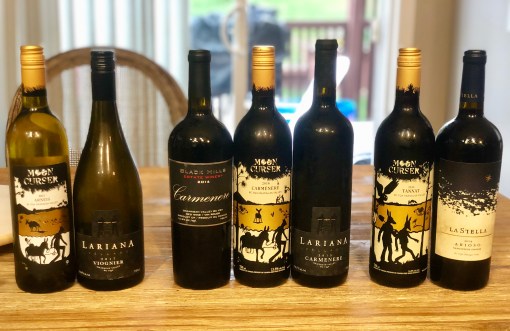
Volcanic Hills is largely a grower-producer, making the bulk of its portfolio from its own 68 acres of estate vineyards in the West Kelowna area, carrying on the Gidda family’s initial farming mission. Not only are all of VH’s Chardonnay, Pinot Gris, Gewürztraminer, Gamay, Pinot Noir, Riesling, Zweigelt (yes, Zweigelt) and Marechal Foch (oh yes, Foch) wines made from 100% estate fruit, but all such grapes are own-rooted, planted on their own original rootstocks as opposed to being grafted onto disease- and pest-resistant rootstocks from non-vinifera species, as is the case with the bulk of wine grapes worldwide. However, while the other two posts in this producer series will focus largely on what Volcanic Hills can do with its own fruit, the four reds below are exceptions to the VH rule and are instead sourced from warmer climes with longer growing seasons which can reliably ripen them. The Giddas have contracts with other growers in Oliver and Osoyoos from which they obtain their Bordeaux reds and their Syrah, all of which are on offer at the winery for well under $30. The price points of the entire Volcanic Hills library are such that John Schreiner was moved to name a recent article about them “Wines You Can Afford”. But price is only one part of the equation; do they deliver for what they cost? Read the rest of this entry »






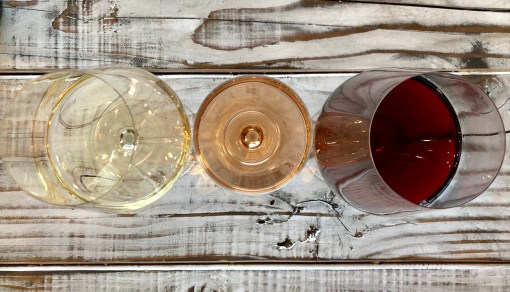


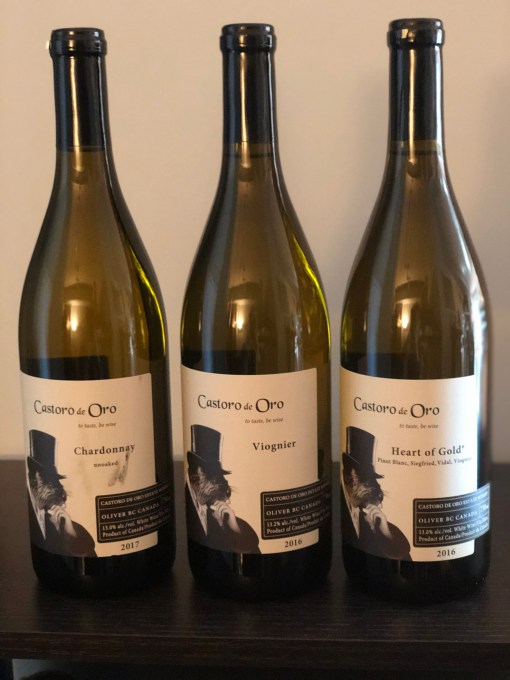 The Castoro de Oro estate vineyard was planted in 1980. Located in the esteemed Golden Mile, this site seems engineered by Mother Nature to deliver full ripeness in the grapes, yet not at the expense of acidity. Here we have vines facing southeast to provide ample sunshine, with the grapes also growing on a slope right next to a lake, factors that together work to mitigate any effects of frost. This is all well and good, but too much heat can cause flabby wines that lack precision. Fortunately, a mountain provides evening shade that permits the grapes to cool off during the summer, preserving tartness and resulting in a key balance between acid and ripe fruit flavours. This is particularly important for white wines, for which acidity is the only source of freshness and structure (well… for the most part. Tannins from wine skins and barrels sometimes play a small role).


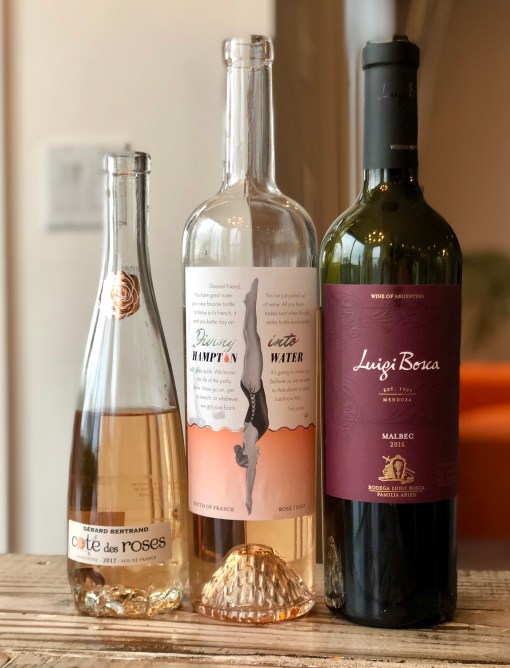


 You see, four of the suspects hailed from the cellars of the Hatch, subject of a


 You have to admire a guy like Don Triggs.

 cabernetdialectic (Raymond Lamontagne)
 Dan Steeves
 Peter Vetsch
 tylerderksen
 pop & pour