By Peter Vetsch
[These bottles were provided as samples for review purposes.]

Welcome to Cune. Er, CUNE. Er, CVNE.
My love affair with the wines of Spain’s premier wine region of Rioja goes back almost to the time when I first started taking the contents of bottles seriously. The area, located in north-central Spain and without question the spiritual homeland of the Tempranillo grape, is somewhat unique among the classic regions of the world for producing two very distinct types of wines, depending on the producer in question. The traditional take on Rioja is more old-school than almost anywhere else, where both reds and whites spend near-shocking lengths of time maturing in flavour-heavy American oak barrels and even more time in bottle before release, leading to a mellowed-out, oxidative, nutty expression of regional identity. The modern Riojas reduce barrel time (or even eliminate it for whites), focus more on riper, purer fruit and aim for immediate impact as opposed to patient complexity. I admit to being a total sucker for the former style, largely because it’s unlike anything else produced in the entire world, a whole era unto itself, frozen in time. That said, it is easy to see how browned, decade-aged, air-exposed wines don’t attract a universal following in this age of pristine winemaking and carefully controlled everything. Sometimes it can be hard to reconcile the two different sides of this same regional coin.
Cune does the best job of simultaneously representing both the traditional and the modern epochs of Rioja of any winery I’ve ever come across. Their wines harken back to the old soul of the area and feature many of its wizened delicate characteristics, while still retaining some of the vibrancy and primacy displayed by the region’s vanguard. They are themselves part of both the history and the new blood of Rioja, founded in 1879 and now run by the fifth generation of the founding brothers. Cune’s cellars were designed by a famed French architect by the name of Eiffel…perhaps you are familiar with other taller Parisian works of his. The name “Cune” is more accurately “CUNE” (an acronym), which itself is more accurately “CVNE”: Compania Vinicola del Norte de Espana, or “the Northern Spanish Wine Company”…calling it Cune (Coo-nay) for short (and giving yourself a nickname) is borderline questionable, but they make it work.
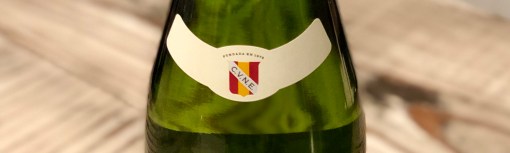
The Cune universe is actually comprised of 3 different brands, each of which has its own winery and winemaker. The Cune brand is based in the Rioja Alta subregion and also encompasses the higher-level Imperial bottlings, made only in very good years; the Vina Real label is based in nearby Rioja Alavesa, as is the Contino bodega, which makes wines only from its own estate vineyards. Tonight’s Cune introduction is focused on a trio of bottlings from the original label’s portfolio, each of which gives a hint of the heights that this marvellous producer can reach. Read the rest of this entry »



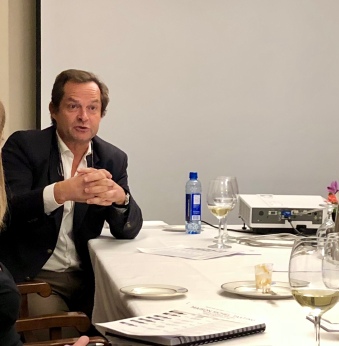

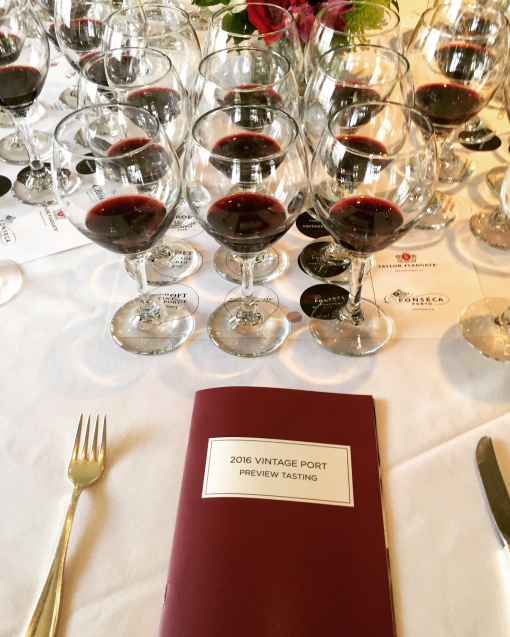
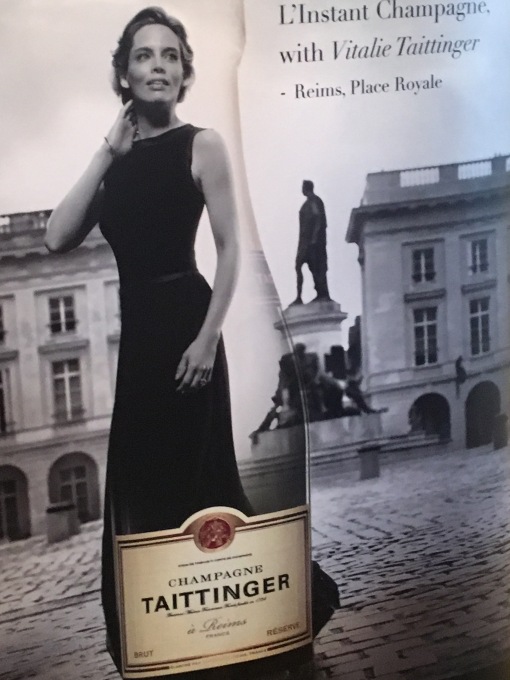 Taittinger’s Mikael Falkman comes highly recommended, although on this occasion he seems more inclined to let these majestic wines speak for themselves. He does come to life near the end of the tasting with an exuberant blend of knowledge and humour. Mikael makes sure to provide a concise history of this famed house, but I particularly appreciate his expositions of the Taittinger family’s winemaking philosophy. I will provide these gems and nuggets along with my tasting notes for each wine.
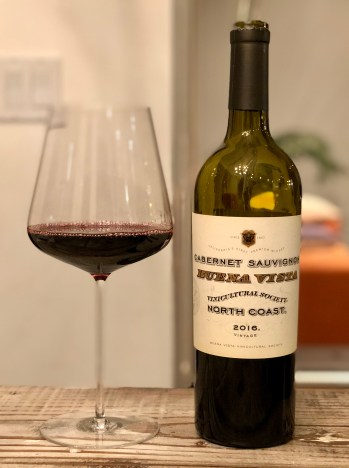




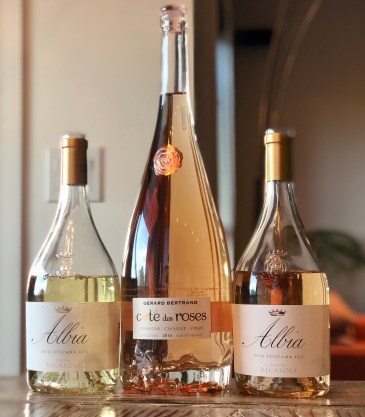 Sometimes you have to force seasonal drinking posts, and other times the season and the drinks just fall right into your lap. Stampede is here in Calgary, the thermometer has just recently clocked over 30C, and we’re well-ensconced into July, which turns my sample pile ponderings to thoughts of whatever I can chill for refreshment most effectively. After landing on an ideal trio of bottles that achieved that lofty goal, I noticed something odd that bound them together: they have all at one time or another previously graced the pages of Pop & Pour. Even though the blog is now 7½ years old and counting, that basically never happens. Sometimes summer is just meant to be. Game on.





 cabernetdialectic (Raymond Lamontagne)
 Dan Steeves
 Peter Vetsch
 tylerderksen
 pop & pour