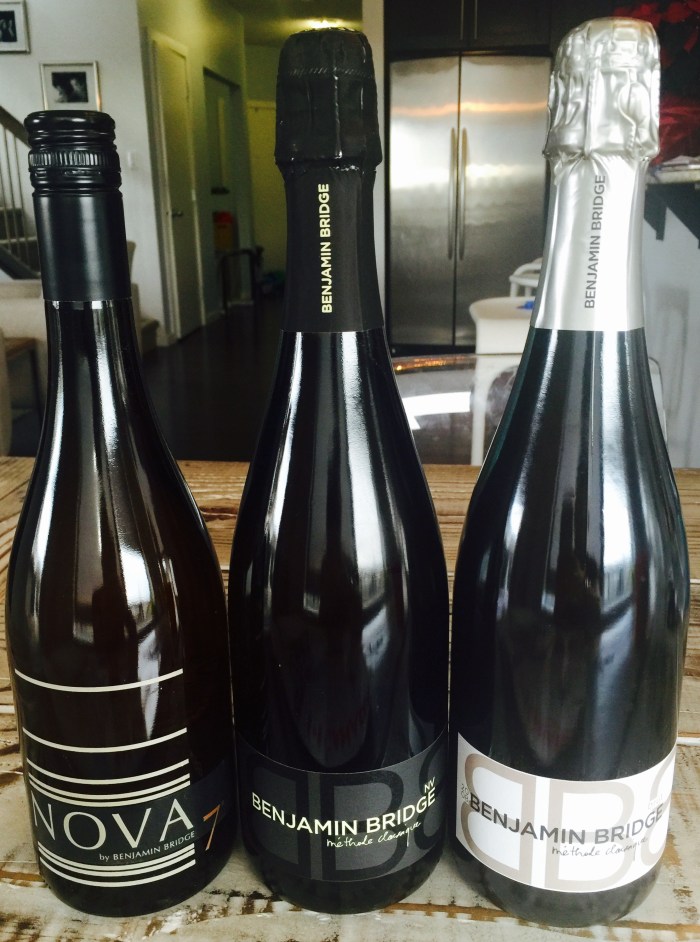
Beautiful Bubbles: Benjamin Bridge Trio

3 02 2016

[These wines were provided as samples for review purposes.]

If you have a passing familiarity with the Canadian wine scene, you’re probably pretty comfortable about what’s where.  You know that the two big players are the Okanagan and Niagara.  You know where to look for dynamite Riesling, Gewurz, Gamay and Cab Franc.  You may know about the potential rise of Syrah out west, about new possibilities in the Similkameen and a focus on subregional quality in Prince Edward County and the Golden Mile Bench.

But did you know that the best sparkling wine in Canada may well be made in…Nova Scotia?
IMG_3824

A Nova Scotia awakening.

Despite only being in existence for just over a decade, Benjamin Bridge definitely deserves a place at Canada’s bubbly head table, and to my mind they are already the cream of the crop.  Located in the Gaspereau Valley northwest of Halifax, in north-central Nova Scotia (bordering the Bay of Fundy as opposed to the Atlantic), Benjamin Bridge is without question the most acclaimed and well-known winery east of Niagara, producing a wide range of bottlings but focusing heavily on traditional method sparkling wines.  The Gaspereau, with its (unsurprising) cool climate and maritime breezes, delivers a colder, shorter growing season promoting leaner ripening and lower yields, one remarkably similar to bubbly’s Mecca, Champagne in France.  The marginal conditions and harsh winters mandate partial reliance on hardier and earlier-ripening hybrid grapes, which are not usually known for their complexity and delicacy in the bottle, but somehow the winery makes them sing, embracing rather than hiding them and adding a unique sense of intrigue to the wines as a result. Read the rest of this entry »


Wine Review: 2012 Marabino Noto

20 01 2016

[This bottle was provided as a sample for review purposes.]

FullSizeRender-216

I admit: I had to do a little research for this one. But well worth it!

Sicily is hot right now (figuratively at least; literally, it’s about +8 Celsius right now, and it’s 4:00 a.m. tomorrow morning).  After a lengthy history of exporting purely bulk wines for blending and bottling wines only for domestic consumption, this large island off the toe of Italy’s boot is suddenly undergoing a rapid and massive quality transformation, showcasing its indigenous varietals to the world and beginning to show up on wine lists and in boutiques all over town.  There are wines from vines grown on the side of an active volcano (Etna) and wines so close to the ocean they can smell the salt.  More and more Sicilian wine is being targeted for import, filling a gap in our drinking experience we never knew was there.

This is the second bottle of Marabino that I’ve had the opportunity to try; the first was their fantastic Eureka Chardonnay, exactly five months ago today.  Marabino is a relative newcomer to the island, established in 2002 as a fully biodynamic winery focused on growing Moscato, Nero d’Avola and Chardonnay, the first two native to the region.  Marabino is based in the Noto DOC, a UNESCO world heritage site featuring surprising white soils in the very southeast corner of Sicily.  While the number of classified Denomination of Origin zones in Sicily is continually growing, Noto has held this designation since 1974 and has an entrenched place in Sicilian wine history. Read the rest of this entry »


Wine Review: Jim Barry Value Red Showdown

13 01 2016

[These bottles were provided as samples for review purposes.]

I'm not making up the vertical/horizontal label dichotomy, right?  Totally something thematic there.

I’m not making up the vertical/horizontal label dichotomy, right? Totally something thematic there.

Australian wine is in sort of a weird place right now.  I first got into wine during the Great Shiraz Rush just over a decade ago, when critter wines ran rampant and the overtly ripe, sweet, boozy style and approachable branding of big-name Aussie Shiraz rolled over the global wine scene like a tsunami, spawning copycats galore and creating ripples that are only now just starting to settle.  The behemoth brands at the front of this wave are mostly still around today, and their bold, fruity, slightly concocted style certainly retains its share of popularity with casual drinkers, but the world has moved on to other phenomena and the scene in Australia seems caught in aftermath phase, not wanting to totally abandon what brought it to global prominence but understanding that its long-term prosperity is likely tied to being something more than liquor store filler.  The country is taking steps to avoid being a one-hit wonder, surprisingly churning out some of the best Riesling you’ve never tried, finding cooler pockets for Pinot Noir and (especially in Tasmania) sparkling wine, using its plentitude of remarkably old vines to its advantage, and dialling its Shiraz back a notch or two while still keeping it lush and appealing to New World palates.  It is also finding stronger and more quality-focused expressions of its value wines which are less industrial commodities and more genuine expressions of grape and place.  This is where Jim Barry comes in.

This family-owned producer is now run by second-generation executive winemaker Peter Barry, the son of eponymous founder Jim, who was the first qualified winemaker in South Australia’s Clare Valley, where the winery is based.  Its tailored lineup of wines runs the gamut from dynamite supermarket bargains (see below) to one of Australia’s very best and priciest bottles, The Armagh Shiraz (as experienced by me in one of my favourite tastings ever).  I was first converted to the Jim Barry cause a few years ago when I bought the Cover Drive Cabernet Sauvignon on a whim because of its circus-tent striping on the neck foil and the cricket player on the main label and was wowed by what I found inside.  I could be wrong, but by its participation in the JB value red duel below, I believe Cover Drive becomes the very first wine in PnP history to be reviewed in three separate vintages, following its write-ups here and here.  Can it hold off a spirited challenge from its neck-striped brother, the Lodge Hill Shiraz?  Let’s find out. Read the rest of this entry »


Wine Review: 2013 Culmina Dilemma

7 01 2016

[This bottle was provided as a sample for review purposes.]

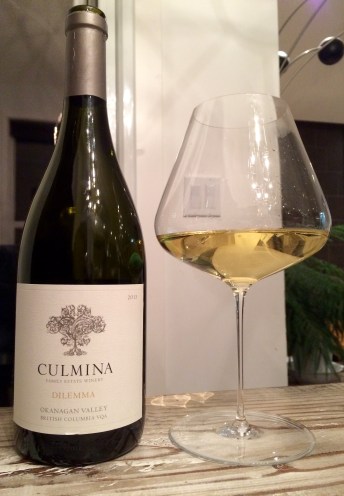
Great story, great wine.  And check out the sick Zalto Burgundy glasses I got for Christmas!

Great story, great wine. And check out the sick Zalto Burgundy glasses I got for Christmas!

Back in the saddle, and back to wine, for 2016!  I hope everyone had a happy and restful holiday season; I had a relaxing blog-free week and a half following my arduous 25-day whisky Advent marathon but am raring to start the new year of PnP off right, so I opted for a bottle that I highly suspected would be good.  Suspicions:  confirmed.

Culmina is one of Canada’s top wineries in my books and one of the most compelling stories on the Okanagan wine scene.  A spare-no-expense passion project spearheaded by iconic proprietor Don Triggs (the Triggs from Jackson-Triggs) and his family, Culmina has only been around for a few years, but through careful site study and selection and meticulous planting, it has been churning out wines of intrigue and quality from its inception.  I have previously waxed on about the winery and a number of its bottlings here and here , but this is my first time writing about what could very well end up being the crown jewel of its portfolio, the Dilemma Chardonnay.  I hope it’s not my last.

Read the rest of this entry »


Wine Review: 2008 Ratzenberger Bacharacher Riesling Sekt Brut

13 12 2015

[This bottle was provided as a sample for review purposes.]

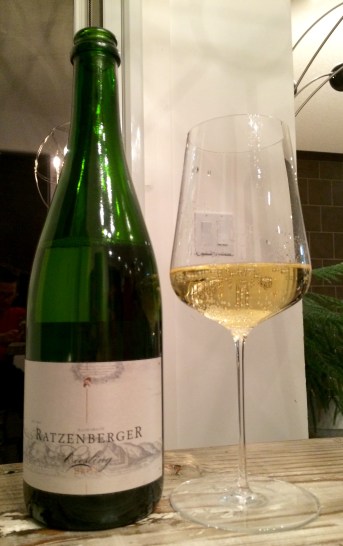
Redefining the world of German bubbly.

Redefining the world of German bubbly.

What’s this?  A wine review?  Isn’t this a whisky blog now?  OK, I probably deserved that.  But Advent only comes around once per year, and since no one yet has taken up the torch of my idea to find 24 good half-bottles and make a Wine Advent Calendar, this is what you get instead.  For those wine lovers out there just dying for the calendar to turn to January, this one’s to tide you over.

This bottle is another selection from Cellar Direct (cellardirect.ca), the online Canadian Natural Wine Club that allows people from all over the country to have high-quality, artisanal, naturally made wines shipped to their door via an array of tailored subscription packages ranging from $40 to $80 per month depending on your location and the package selected.  Since I last wrote about the service back in September, it has revamped its website, introduced an offer of two free bonus bottles for every 24-bottle annual subscription, and added an online shop (which will be operational in January) where Cellar Direct members can order more of their favourite bottles over and above their subscription.  It has also gotten rave reviews in BC, where price increases and regulatory chaos have otherwise made reasonably priced access to many good wines a pipe dream.

The one thing I can so far say for sure about Cellar Direct is that its selections are not fooling around; each of the three bottles I’ve now had the chance to try from their library have been of exceptional quality and proud ambassadors of where they’re from.  These are wines from somewhere as opposed to wines that could be from anywhere, and this gets all the more impressive given that this latest wine is a bottle of Sekt.  Nobody usually makes quality and terroir proclamations about Sekt (German sparkling wine), and for good reason:  most Sekt doesn’t deserve it.  In fact, it’s hard to say anything specific about Sekt as a category because it might be the least regulated category of Old World wine I’ve come across.  German wine law doesn’t mandate that Sekt be made of any particular types of grapes; it doesn’t even require those grapes to be from Germany; and it doesn’t require the wine to attain its bubbles any particular way.  Sekt is required to be at least 10% abv, but after that, all bets are off. Read the rest of this entry »


Multi-Wine Review: Calliope/Burrowing Owl Octet

24 11 2015

[These wines were provided as samples for review purposes.]

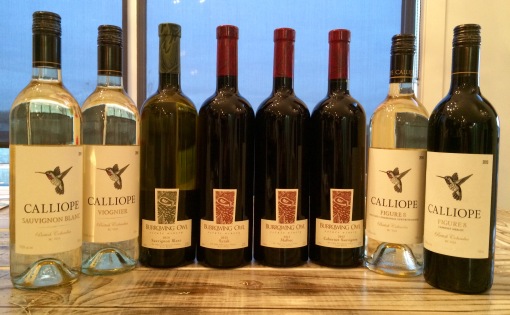
No time to spare for a huge intro tonight, as we have a whole whack of impressive Canadian wines to assess in what is sure to be a super-sized review.  I was fortunate enough to get the chance to taste through a series of recent releases from Okanagan stalwart Burrowing Owl, which is based in the scorching deep south of the Valley, near the US border in Oliver, British Columbia.  The tasting pack included a quartet of bottles from the parent winery and a quartet from its new offspring, Burrowing Owl’s second label Calliope Wines.  In keeping with the main estate’s unusual-bird-based theme, Calliope is named after a tiny hummingbird (Canada’s smallest bird) found in southern BC (not to be confused with the Greek muse or the steam organ of the same name).  According to its website, Calliope “is a full line of easy sipping, fruit-forward wines, designed to pair with casual lunches on the patio, or with contemporary cuisine”.  According to the pictures on the website, the wines also appear to pair with unnaturally beautiful Photoshopped women and neck beards.  Polite suggestion to Calliope:  Your wines are solid.  Your website is trying too hard.  It needs to relax.

FullSizeRender-169

I had often heard strong praise about the Burrowing Owl lineup from Wine People Who Know Things but hadn’t previously gotten around to experiencing it for myself, so getting to dive into a sizeable chunk of the portfolio all at once was an amazing way to get caught up on one of the brightest lights in Canadian wine.  Without further ado, here are eight mini wine reviews, starting with the second label and finishing with the main house (all prices based on Alberta retail).

Read the rest of this entry »


Rioja Quality Ladder: Bodegas Montecillo

11 11 2015

[These bottles were provided as samples for review purposes.]

Crianza vs. Reserva.  And one of the hardest sets of labels to photograph well.

Crianza vs. Reserva. And one of the hardest sets of labels to photograph well.

If I had to pick one European red wine region that was my Old Faithful, that always delivered quality and intrigue, regularly delighted and rarely disappointed, it would be Rioja.  Something about the wines coming out of Spain’s original star region just speak to me, offering up traditional character and depth and a unique voice at often-amazing prices.  Rioja is perched at altitude in north-central Spain, closer to Bordeaux (a 4 hour drive north) than Barcelona (5.5 hours east), and has long been the king of the Spanish wine world:  it was the first D.O. (Denominacion de Origen, or classified geographical quality region) in the country to be granted super-elite D.O. Calificada status in 1991, the highest quality category in Spanish wine law.  Only one other region, Priorat, has been awarded the designation since.  There are always challengers for Rioja’s crown in a country with soils, grapes, styles and traditions as rich and varied as Spain, but at its best, there is nothing quite like it. Read the rest of this entry »


Bargain Bubbles: Prosecco Showdown

7 11 2015

[These bottles were provided as samples for review purposes.]

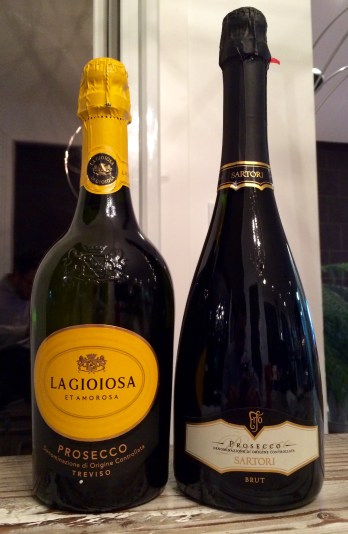
Bring on the bubbles!

Bring on the bubbles!

Sparkling wine is instantly celebratory — unless you’re opening two bottles simultaneously, by yourself, at your kitchen table, on a weeknight, like I did.  Even then, the brisk pops of the corks out of the bottles lightened my mood and made my analytical tasting exercise a little more festive.  You almost can’t drink Prosecco and be in a bad mood.

Prosecco is very, very hot right now.  Global sales of this Italian sparkler have increased by double digit percentages every year since 1998 (!), and last year they were up an astonishing 32% (!!) over the year before, five times the sales growth of sparkling wine overall (!!!).  In 2013, global Prosecco sales actually overtook global Champagne sales at over 300 million bottles.  Suffice to say it is on trend, buoyed by its general approachability, fruit-centered flavours and highly attractive price tag.  And yet, before now, Prosecco had never featured on Pop & Pour:

Screen Shot 2015-11-06 at 8.44.02 PM

So since this is uncharted blog territory, allow me to toss out a bit of a primer before we get into the bubbles themselves.  Prosecco is made in the Veneto and Fruili regions of northeast Italy; the Prosecco DOC quality region actually spans and overlaps most of both.  The wine is named after the village of Prosecco (which may have been its birthplace) near Trieste on Italy’s eastern border at the top of the boot.  Its made primary from a grape that used to also be called Prosecco, but as of 2009 is now known as Glera, primarily to annoy you and make it harder for you to remember it.  Just like all quality sparkling wine, it is created by first making a low-alcohol still base wine and then starting a second fermentation of that wine (by adding extra yeast and unfermented juice to it) in an airtight container, such that the carbon dioxide created as a byproduct of the fermentation cannot escape and becomes trapped in the wine, making it bubbly. Read the rest of this entry »


Whisky (!) Review: Glenmorangie Tusail

3 11 2015

[This bottle was provided as a sample for review purposes.]

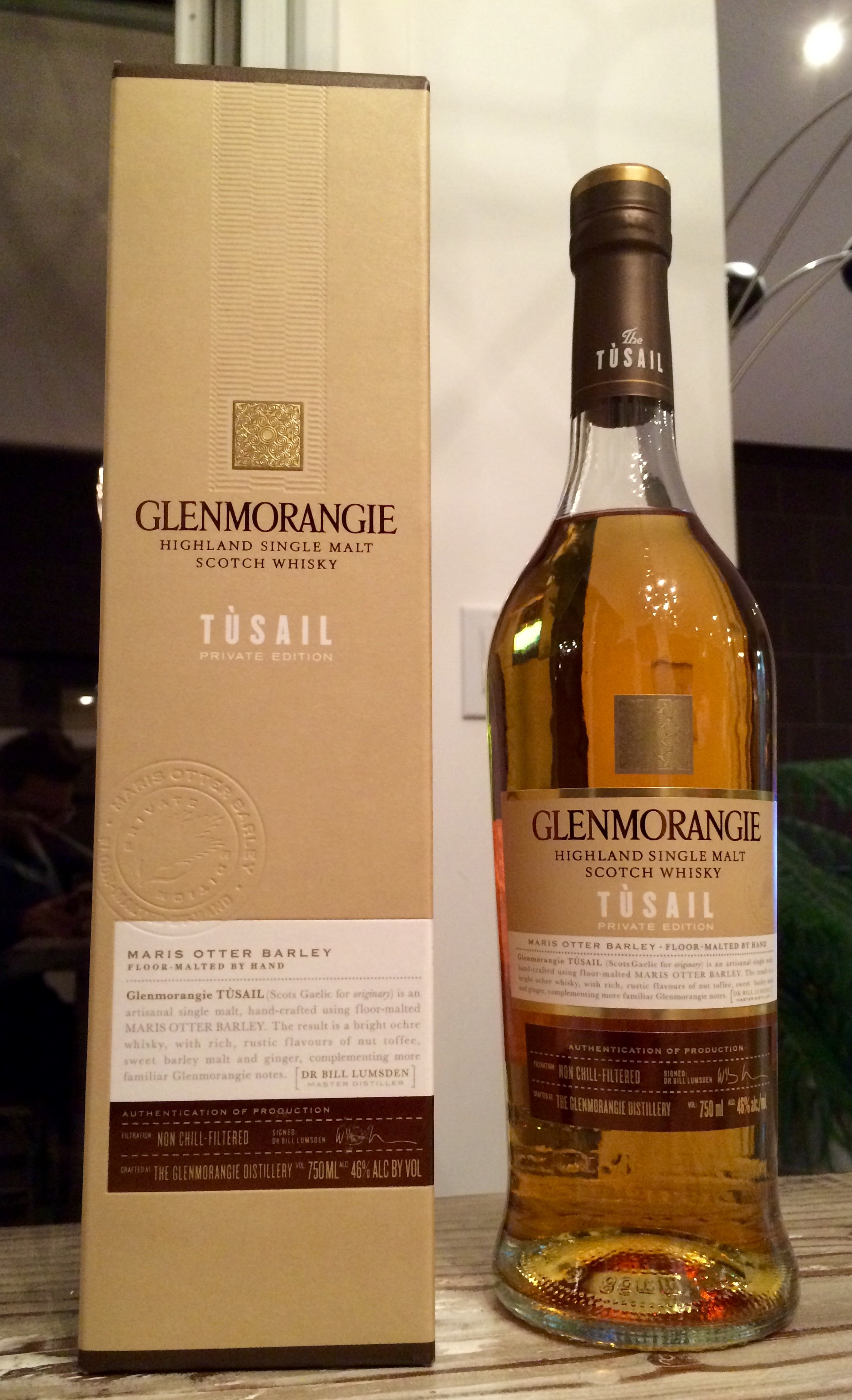
A little PnP history.  Bring on the whisky.

A little PnP history. Bring on the whisky.

Let me bask in this one for a minute.  Last December, I got a whisky advent calendar for Christmas and on a lark decided to blog about it on a daily basis (which seemed like a great idea until about Day 9, although I’m doing it again this year, so call me a glutton for punishment).  It was my first experience writing about whisky and was a highly rewarding, if difficult, extension of my wine-soaked senses.  I was happy enough not to embarrass myself, happier still to get some positive feedback on the experiment, and now happiest of all to receive my very first sample bottle of whisky to write up on Pop & Pour.  Let’s make this happen.

This is the sixth version of Glenmorangie’s annual Private Edition release, a unique and special malt released in addition to the established Glenmorangie lineup.  Each rendition of the Private Edition is completely different from the one that preceded it, and many of the prior PEs focused on a particular type of maturation vessel to enhance the flavour and colour of the finished product, but this one is a new kind of mousetrap entirely.  It might be the world’s first single varietal malt whisky, made entirely from a rare and vanishing strain of barley called Maris Otter, a high-quality, low-yielding winter barley known for its wild rusticity and deep, rich flavour profile.  (I am as surprised as you are that there are top-end varietals of grain just like grapes.  Booze is so cool.)  Maris Otter barley fell out of favour with whisky distillers over the years due to higher-yielding strains coming available, but it was carefully kept alive by a few quality-conscious supporters.  After it came to the attention of Glenmorangie’s Whisky Director, he set out to secure a parcel of Maris Otter to make this one-off Private Edition spirit. Read the rest of this entry »


Border Crossing: Kaiken Ultra Wines

28 10 2015

[These bottles were provided as samples for review purposes.]

From Chile to Argentina with love.

From Chile to Argentina with love.

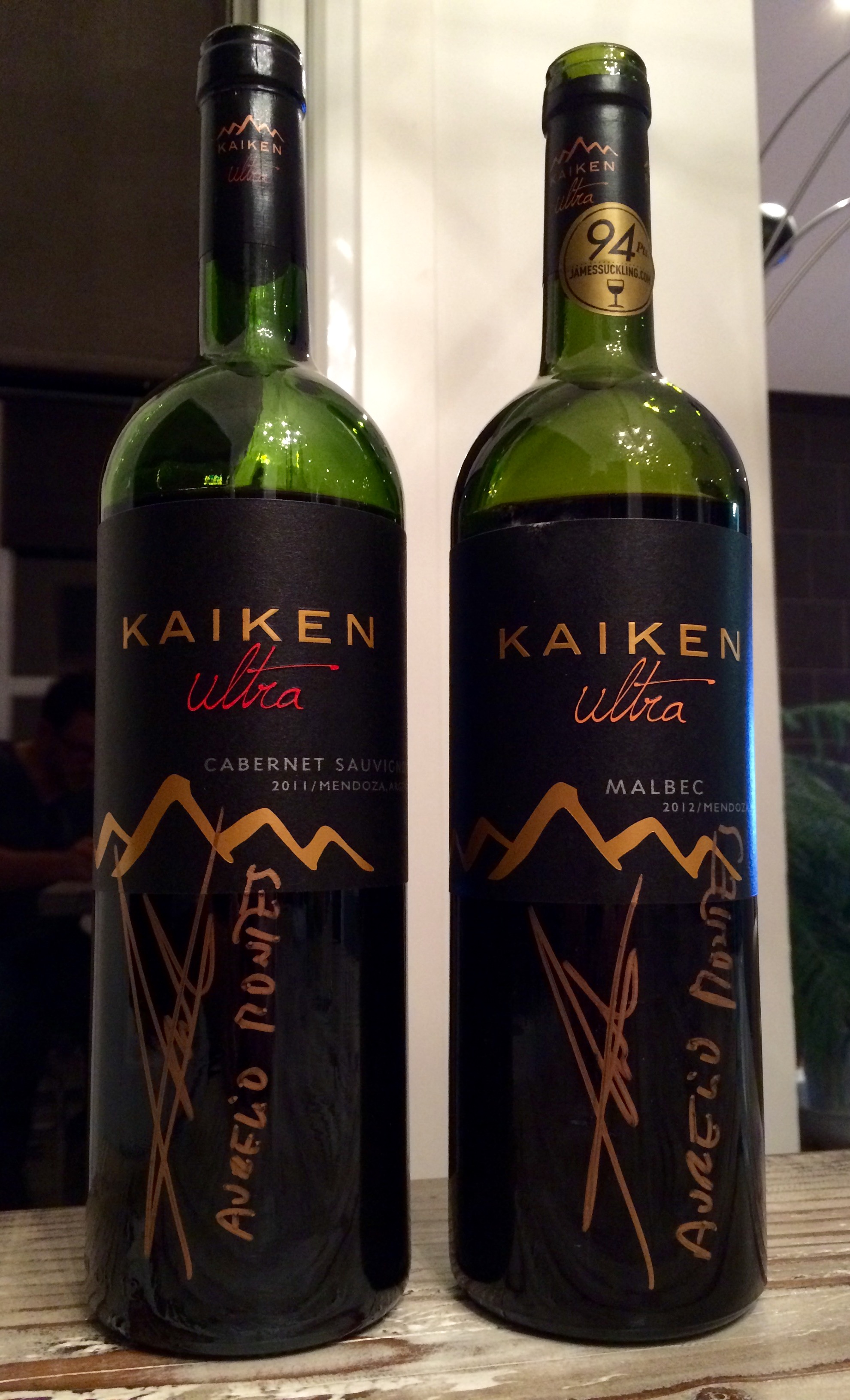
It’s not uncommon to see producers from other countries head to Argentina to create a second label or side project.  There’s lots to like about the South American nation as a startup hub, from truly unique altitude-induced terroir to surprising access to old-vine plantings to ultra-low input costs. What is unusual is for the immigrating winery to come from right next door:  Argentina’s skinny western neighbour Chile offers many of the same producer advantages and is often similarly sought after by wineries off the continent for new ventures, but you rarely see a producer from one of these countries set foot in the other to make wine.  That’s what makes these bottles interesting.

The Montes family is one of Chile’s pioneering wine clans, and its Vina Montes may be the country’s best known winery, churning out everything from weeknight wine champions to top-end stunners like Montes Folly, an unprecedented Syrah from Apalta that’s one of my favourite wines of all time.  Patriarch Aurelio Montes Sr. visited Argentina in 2001 and was immediately intrigued by the Andes-hugging Mendoza region; he wasted no time in deciding to expand operations there, starting up the Kaiken label in 2002.  The word “Kaiken” is an anglicized version of “Caiquen”, a type of wild goose that regularly travels over the Andes Mountains from Chile to Argentina, just like Montes himself.  Once the winery was up and running, he made the call to keep the winemaking in the family, recently naming his son Aurelio Montes Jr. as winemaker.  Kaiken owns three vineyards in Mendoza, two in and around the Lujan de Cuyo region near the town of Mendoza itself and one in the Uco Valley further south; one of the vineyards is fully biodynamic, a set of principles Kaiken is working to embrace. Read the rest of this entry »



PC Wine Fall Collection Faceoff

22 10 2015

[These wines were provided as samples for review purposes.]

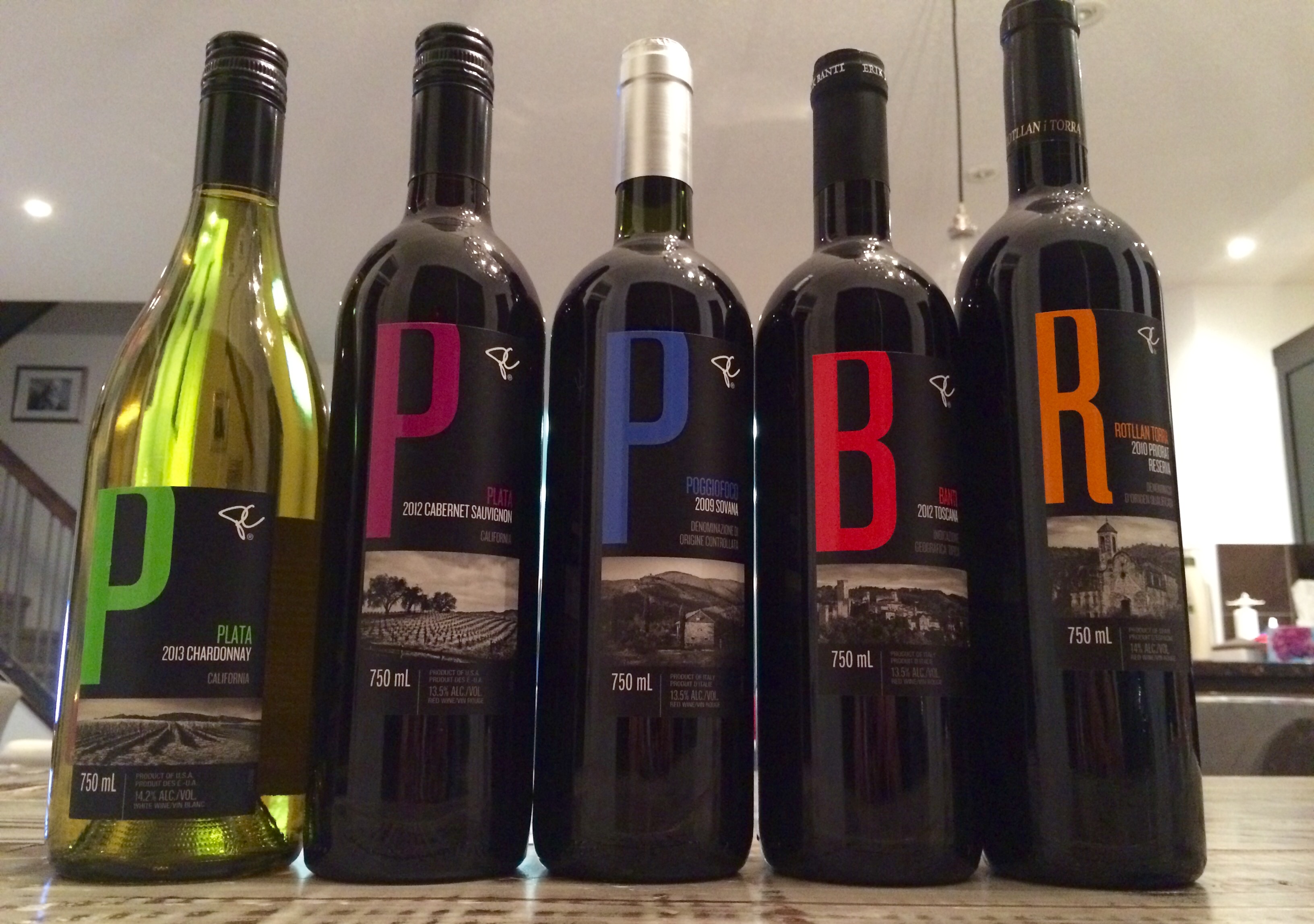
Grocery store wines are making strides.  Supermarket labels are no longer (or at least not all) resigned to Two Buck Chuck ignominy, and a select few are starting to pair their expected wallet-friendly price tags with actual quality inside the bottle, making them legitimate value plays in a competitive buying environment.  The Kirkland label from Costco comes immediately to mind, a negociant-style operation that sources wines from prestigious regions across the globe (even Champagne!  And it’s not bad!) and makes them accessible at a fraction of the cost of other bottles from the area.  Now Loblaws is making its own foray into the value wine world with a curated lineup of stylishly branded PC Wines, currently only available at an Alberta Superstore liquor store near you.  Take that, rest of Canada.

A step up from the No Name wine labels.

A step up from the No Name wine labels.


The PC Wines approach differs from similar supermarket offerings in a couple of ways.  First, the wine collections will be seasonally rotated, so the five bottles in the fall collection will be replaced with a whole new set of wines in a few months.  Second, the pricing is uniform:  all of the bottles cost exactly $20, but that price drops to $15 in each case if you buy 3 or more.  The fall collection was hand-selected by Aaron Bick, founder of local vino e-commerce site wineonline.ca, and features offerings from four different producers in California, Italy and Spain.  Although each bottle bears a PC Wines label, it still recognizes its original producer on the front, which is a nice touch.  There’s even some back-vintage stuff in the mix!

Read the rest of this entry »


Side By Side: 2012 Tinto Negro Malbec x2

7 10 2015

[These bottles were provided as samples for review purposes.]

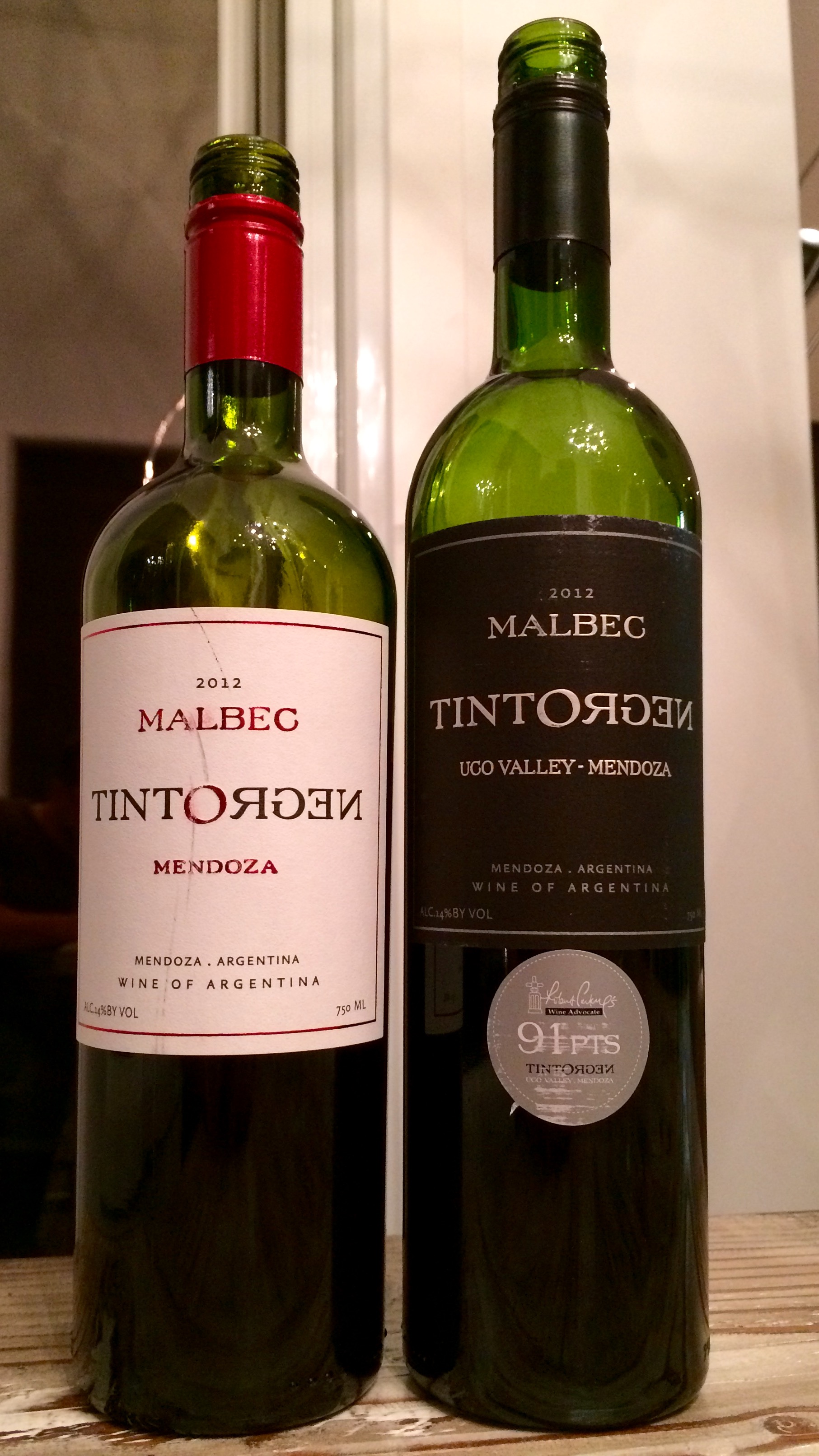
Malbec vs. Malbec.  Mendoza Civil War.

Malbec vs. Malbec. Mendoza Civil War.

Forgive me if you’ve heard me say this before, but:  comparative tastings are the best.  You can learn a lot about wine by taking your time over a single bottle, properly assessing what’s inside and picking out colour and smell and flavour notes common to a country, region or grape.  You can learn way more about wine by doing this to two similar bottles at the same time, with almost the same characteristics, but for a single isolated variable:  same wine, different vintage; same producer, different grape; same grape, different country.  You pick up a whole bunch of what makes them the same, but you can also focus on the impact that primary thing that makes them different and see firsthand the tremendous effect that every single input going into a wine has on the finished product.  You learn from both the commonalities and the distinctions.  Plus you end up with two open bottles of wine, which generally always leads to a good night.

In this case, the similarities are massive and the differences apparently slight, but the impact remains noteworthy.  These two bottles are from the same producer (Tinto Negro, founded by the ex-vineyard manager and wine education director of renowned Argentinian winery Bodega Catena Zapata), the same country (Argentina), the same grape (Malbec), the same vintage (2012) and even the same region (Mendoza, Malbec’s New World spiritual home nestled in the foothills of the Andes).  However, the first bottle, the 2012 Tinto Negro Mendoza Malbec, is an entry-level regional bottling, and the second bottle, the 2012 Tinto Negro Uco Valley Malbec, is from the next quality tier up, a sub-regional bottling from the Uco Valley sub-zone in southwestern Mendoza.  Apart from their divergent price points, you might have a hard time differentiating them in the store, but does this little sourcing difference make a difference?  When you taste them side by side, oh yes. Read the rest of this entry »


Wine Review: 2011 Barone Ricasoli Brolio Chianti Classico Riserva

30 09 2015

[This bottle was provided as a sample for review purposes.]

Modern Traditional Chianti.

Modern Traditional Chianti.

Barone Ricasoli holds itself out as the oldest winery in Italy.  Its history certainly marches in lockstep with that of its region, Chianti:  the winery’s eponymous founder was the man who first suggested the modern “recipe” for the standard Chianti blend — largely Sangiovese, blended with indigenous varieties Canaiolo, Trebbiano and Colorino — in a letter in 1872.  That mix has expanded and adapted since then, but Ricasoli has remained a constant in the area, producing Chianti at all price and quality points, from the entry level to the sublime.

This particular bottle is from the sub-zone of Chianti Classico, the traditional Chianti heartland at the centre of the region encompassing the original lands upon which that name was bestowed.  Chianti has now expanded significantly beyond that area, some might say for largely economic reasons and to the detriment of its reputation, as the lands surrounding Classico often do not quite live up to its hallmarks of quality.  The symbol of Chianti Classico, emblazoned proudly on this bottle in multiple places, is the black rooster, the gallo nero.  Why?  Legend has it that, back when the provinces of Florence (in the north) and Siena (in the south) were fighting over the territory of Chianti (right in the middle), they settled on a contest to determine their mutual border:  they would each pick their best knight, who would ride from his city towards his opponent as fast as his horse could take him once the rooster crowed, and wherever they met would mark the new edge of each province’s lands.  The Florentines had a black rooster, and before the date of the contest they kept it locked up in a box with no food, so that when it was finally released on the day of the race, it crowed much, much earlier than dawn, giving Florence’s knight a massive head start.  The Florentine met the Sienese knight just outside of Siena’s walls and thus scooped all of Chianti for Florence, giving the black rooster mythical status in the process.  This is the best part about wine:  everything has a story.  You just have to find it. Read the rest of this entry »


Wine Review: 2011 Bila-Haut L’Esquerda

23 09 2015

[This bottle was provided as a sample for review purposes.]

Bila-Haut: The label that can't miss.

Bila-Haut: The label that can’t miss.

What??  There’s another Bila-Haut?  Readers of this blog will know that I have long been a fan of the best-known wine from Rhone legend Michel Chapoutier’s Roussillon side project, the excellently named Occultum Lapidem, and I have also recently had the chance to enjoy their near-equally awesome rose.  But I had neither seen nor heard of this mustard-coloured addition to the Bila-Haut lineup, L’Esquerda, before being provided this bottle to try.  I won’t be forgetting it anytime soon.

Like the Occultum Lapidem, the Bila-Haut L’Esquerda is from a particular high-quality subregion of the Cotes du Roussillon Villages area in the extreme south of France, almost stepping into Spain.  While the Occultum Lapidem hails from the mouthful Cotes du Roussillon Villages Latour de France subregion, the L’Esquerda comes from a single vineyard nestled in its westerly neighbour, the nearly-as-wordy Cotes du Roussillon Village Lesquerde subregion, located slightly further inland from the Mediterranean Sea, immediately south of red dessert wine rock star zone Maury, and due west of another Roussillon sub-zone that’s gotten digital ink on this site lately, Tautavel.  The word “L’esquerda” is Catalan for “the fault in the rock” and is likely a nod to the nutrient-poor granitic soils of the area.  Mainly Syrah, but blended with Grenache and Carignan, L’Esquerda has basically the same varietal makeup as Occultum and is made in a very similar fashion:  from old-vine grapes (40+ years), with extended maceration periods post-fermentation (3-4 weeks) and with limited oak aging (10% or less of the blend sees a barrel).  No wonder there’s a family resemblance.

Read the rest of this entry »


Wine Review: 2014 Yalumba Old Bush Vine Grenache

18 09 2015

[This bottle was provided as a sample for review purposes.]

Raise a glass to Grenache!

Raise a glass to Grenache!

This is a bottle of eager-to-ripen Grenache from the scorching Barossa Valley in Australia.  This is a delicate, pretty, dainty, almost ethereal wine.  These sentences are both somehow true.  Happy International Grenache Day, everyone!

Yes, the third Friday of every September is set aside to celebrate the wonders of a grape that is prominent on the world wine scene, yet still strangely underrated, often anonymously doing the heavy lifting in a Rhone-style blend and only occasionally stepping out into the spotlight on its own.  This is my second time toasting the grape in September:  I revelled in the glory of the Okanagan’s first ever Grenache back in 2013.  I appear to have missed this global vinous holiday last year, but am now fully prepared to make up for lost time.

Yalumba is Australia’s oldest family-owned winery, founded 166 years ago in 1849 and still in the family today.  You may know them for their string of top notch value wines (the Y Series Viognier is particularly awesome for what it costs), but they have offerings all across the price spectrum, and their standing and longevity has given them access to the types of fruit sources necessary to put quality in the bottle.  With respect to Grenache in particular, Yalumba owns some of the oldest Grenache vineyards in the Barossa Valley; the fruit sourced for this bottle was planted between 1898 and 1973.  Vines that pre-date your great-grandparents used for a $22 wine!  Yalumba is also the only winery in the Southern Hemisphere to have their own cooperage, so they select and import oak and then toast it to their liking and make their own barrels.  Cool. Read the rest of this entry »