By Raymond Lamontagne
The more New Zealand wine I drink, the higher it climbs in my esteem. Renowned for its superb array of cool climate vineyards and their purity of fruit expression, New Zealand provides a fine showcase for my favourite black grape, Pinot Noir; I have also met few who cannot appreciate the unique and ultra-distinctive style that is New Zealand Sauvignon Blanc. We were all exceptionally pleased to welcome to Calgary Nautilus Estate’s winemaker Clive Jones, who travelled all the way from the globally renowned Marlborough region to put an array of his wines through their paces before us. Limits on word count and reader attention span mean that I must immediately plunge into telling six different stories about six different Marlborough wines…OK, five stories. You’ll see below.

2017 Nautilus Sauvignon Blanc (~$23)
Clive’s knack for explaining technical winemaking details in highly entertaining fashion becomes immediately apparent as the tasting begins. He feels fortunate that a vintage as challenging as 2017 in Marlborough, one marred by not one but two cyclones, could yield a wine of this caliber: “It did get 92 points…if we care about points.” I don’t, but much of the world at large does.

Nautilus winemaker Clive Jones
Only about half of 2017’s grapes were picked before the weather turned foul, but miracles were wrought and enough of the remainder were able to be used in the final blend. This crisis averted speaks to the classic advantage for those making a varietal wine from a blend of different sites year in and year out, a characteristic that Marlborough (with its myriad soil types and small-scale regional differences in elevation and climate) shares to some extent with Champagne. With an array of lots from different parcels to choose from, careful adjustments can be made by the savvy winemaker to land on a house style every time. The intent in Nautilus’ case is to dial down the aromatics (but not too far down) and dial up the palate weight, yielding something with a pleasing texture that maintains the drinker’s interest. Interestingly enough, part of Clive’s strategy involves adding around 1% of barrel-fermented wine to the Sauvignon Blanc blend, the remainder hailing from trusty temperature-controlled stainless steel tanks. This calculated attempt to tame what is usually a fiercely aromatic, high-acid variety while still exalting the grape’s fundamental identity executes its mission with precision.


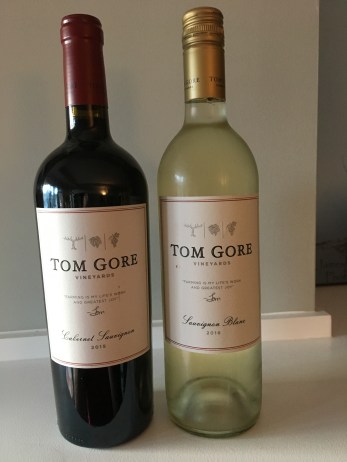


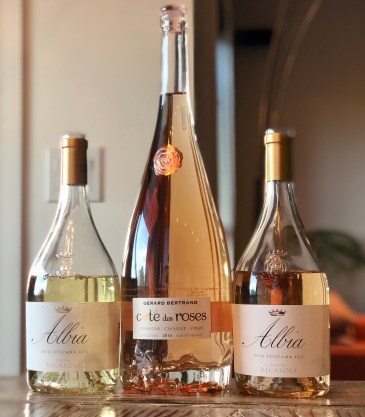 Sometimes you have to force seasonal drinking posts, and other times the season and the drinks just fall right into your lap. Stampede is here in Calgary, the thermometer has just recently clocked over 30C, and we’re well-ensconced into July, which turns my sample pile ponderings to thoughts of whatever I can chill for refreshment most effectively. After landing on an ideal trio of bottles that achieved that lofty goal, I noticed something odd that bound them together: they have all at one time or another previously graced the pages of Pop & Pour. Even though the blog is now 7½ years old and counting, that basically never happens. Sometimes summer is just meant to be. Game on.


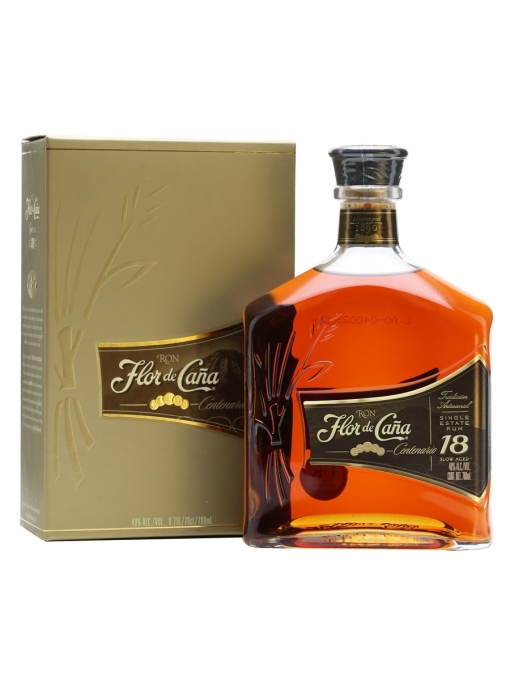


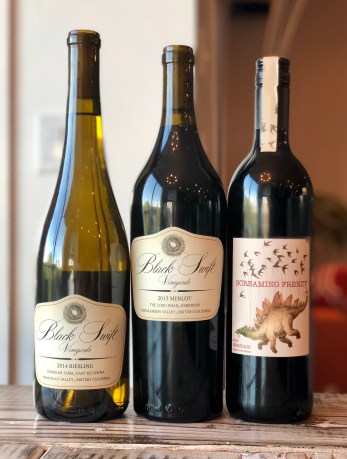


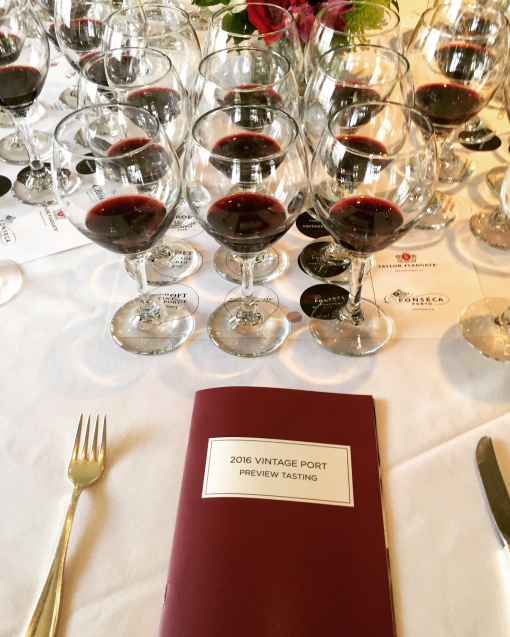

 I was attempting to pace myself until the second half of this tasting, wishing to avoid palate fatigue and endeavoring to preserve a fresh mindset for the crown jewels near the end. That delicious St.-Joseph in particular made this sort of patience challenging. I glance to the end of the written materials and there’s even a dessert wine to close things out. Wow. We did move quickly and this was a good thing. There was just enough time to analyze and enjoy some brief discussion about each wine. Part II begins with the “roasted slope”, peaks on Hermitage hill (the big reason we are all here!), and ends in … Beaumes de Venise?! Read on, faithful.





 cabernetdialectic (Raymond Lamontagne)
 Dan Steeves
 Peter Vetsch
 tylerderksen
 pop & pour