By Raymond Lamontagne
[These bottles were provided as samples for review purposes.]
The fact that there are so many poorly known wine regions in France (at least to North American drinkers) is testament to just how deeply wine is ingrained into French culture. They make the stuff almost everywhere. We’ve all heard of, exalted, and perhaps even been oversaturated by (at times) the classics, but the south of France in particular makes up a hugely diverse patchwork quilt of wine regions, grape varieties, and winemaking regulations. The broad strokes are often familiar (e.g., the Rhone Valley, Provence, Languedoc), but the specific strands that make up the quilt can be rather arcane. For example: what, and where, is the Luberon? Well, intrepid reader, you are about to find out. Feel free to drink along too, if you can, as these four bottles are just hitting the Calgary market as I write this. I will explain the ins and outs of these regions, highlight a few mysterious grape varieties, and of course provide my usual brand of obsessively detailed tasting notes for the whole lot. To the south!

We’ve got three offerings from Aureto Vignoble Winery to tackle here, plus a bonus offering from Domaine des Peyre. Aureto means “a light breeze” in an ancient Provençal dialect, a name that is supposed the evoke the winery’s ethos of breathing new life into previously disregarded (or perhaps just untapped) vineyard sites. Their first vintage was 2007. The winery itself is situated a few kilometers away from the famous Ventoux mountain known as the ‘giant of Provence’, smack dab in the middle of the Luberon AOP wine region. Aureto produces wines that hail from the Ventoux and Luberon AOPs as well as the Vaucluse and Mediterranee protected geographical indications (or IGPs). The Aureto vineyards obviously cover a decent amount of ground, 36 hectares to be exact, with 20 hectares are located around La Coquillade near Gargas and the remainder near Gordes, Oppède and Bonnieux. I know, right? I hadn’t heard of any of those nouns either.
Although all these place names seem daunting, situated as they are in a lesser-known wine region, it is probably sufficient to understand that the Luberon occupies an extensive portion of the southeast corner of the Rhone Valley, with warm and sunny but not flagrantly hot weather due to moderating influences of cold air from the Alps. Interestingly, the Luberon makes more rose wines than reds, with Matt Walls describing the latter as sometimes “lack(ing) in ripeness, concentration, and character…[but] the best are unforced, with a charming aerial, free-spirited demeanour”. He describes the whites as “beginning to forge a distinctive character that marks them out from other Rhone whites. They have a zesty brightness that makes them really drinkable aperitif-style wines- not something the Rhone does terribly well as a general rule”. Aureto grows fifteen varieties of grape, both regional classics and more obscure crossings. One wonders how these guys avoid getting spread too thin, although we are reassured that this vinous diversity yields characterful wines of place, heedless of AOP or IGP designation. The largely calcareous-clay (or marl) soil lends a palpable delicacy even as the relatively warm Mediterranean climate guarantees a fruity richness. The claim is that the “delicate balance of these two elements makes the Aureto wines quite noble”. Let us see firsthand.
Read the rest of this entry »



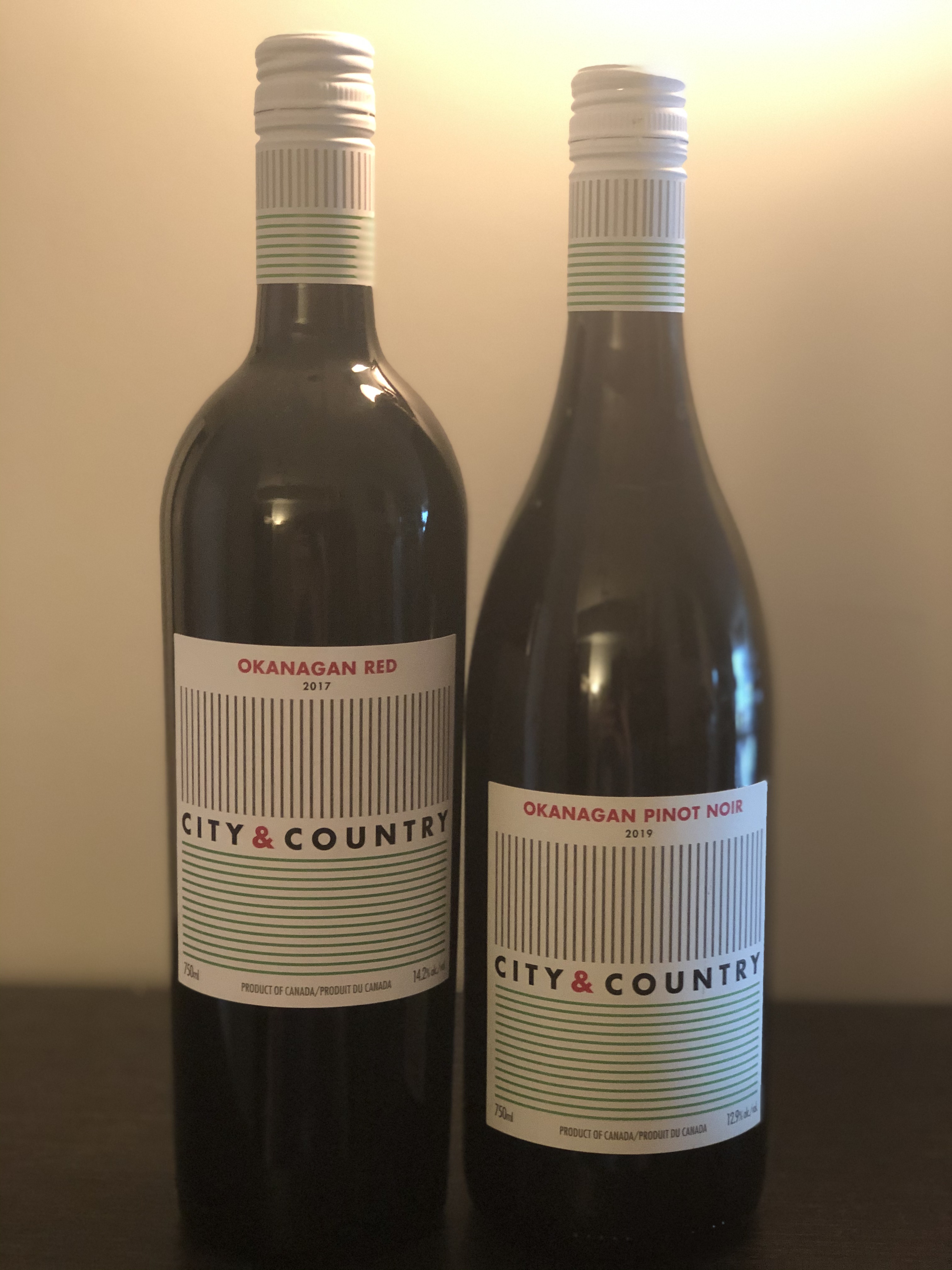 City & Country can be found east of Macleod Trail and just south of Erlton, although the brand itself predates the bricks-and-mortar winery that started operations this year. Chris Fodor and his wife Karen first made their own wine in 2017 with some help from Pentage Winery in the Okanagan, where their winemaking endeavours were originally housed, but the Fodors’ aspirations were ultimately bigger than just one wine region, or even one country. They reasoned that a winery based in a large city could source grapes or even pressed must from anywhere, so long as everything is temperature-controlled. I’ll mention here that such a model is used by some of my favourite boutique wineries in California and elsewhere in the US, although in these cases the winemakers draw upon a limited number of local options (often very specific, unique sites) for grape sourcing. The Fodors seem to scoff at the notion of such constraints, although understandably the focus of the winery’s initial releases seems to be on grapes from next door in the Okanagan.
 The Fodors officially opened the City & Country winery on February 1st, 2020. Of course, COVID-19 struck after a mere month and a half of operations, but City & Country pushed forward with characteristic Alberta resilience,


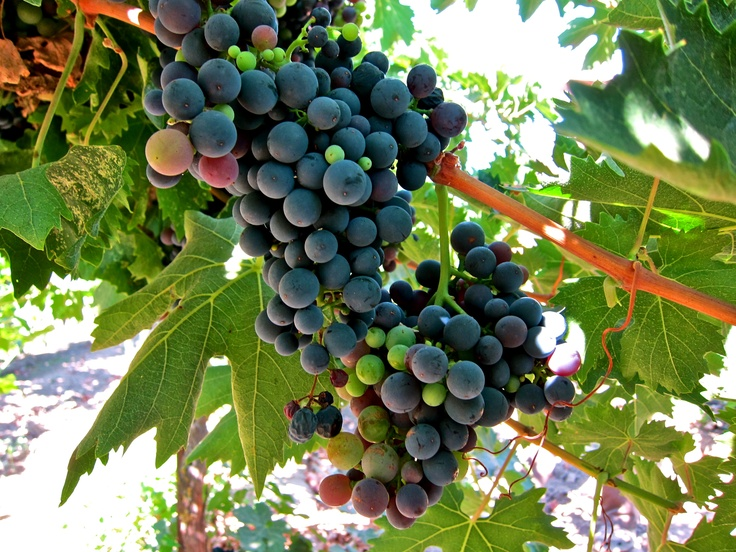

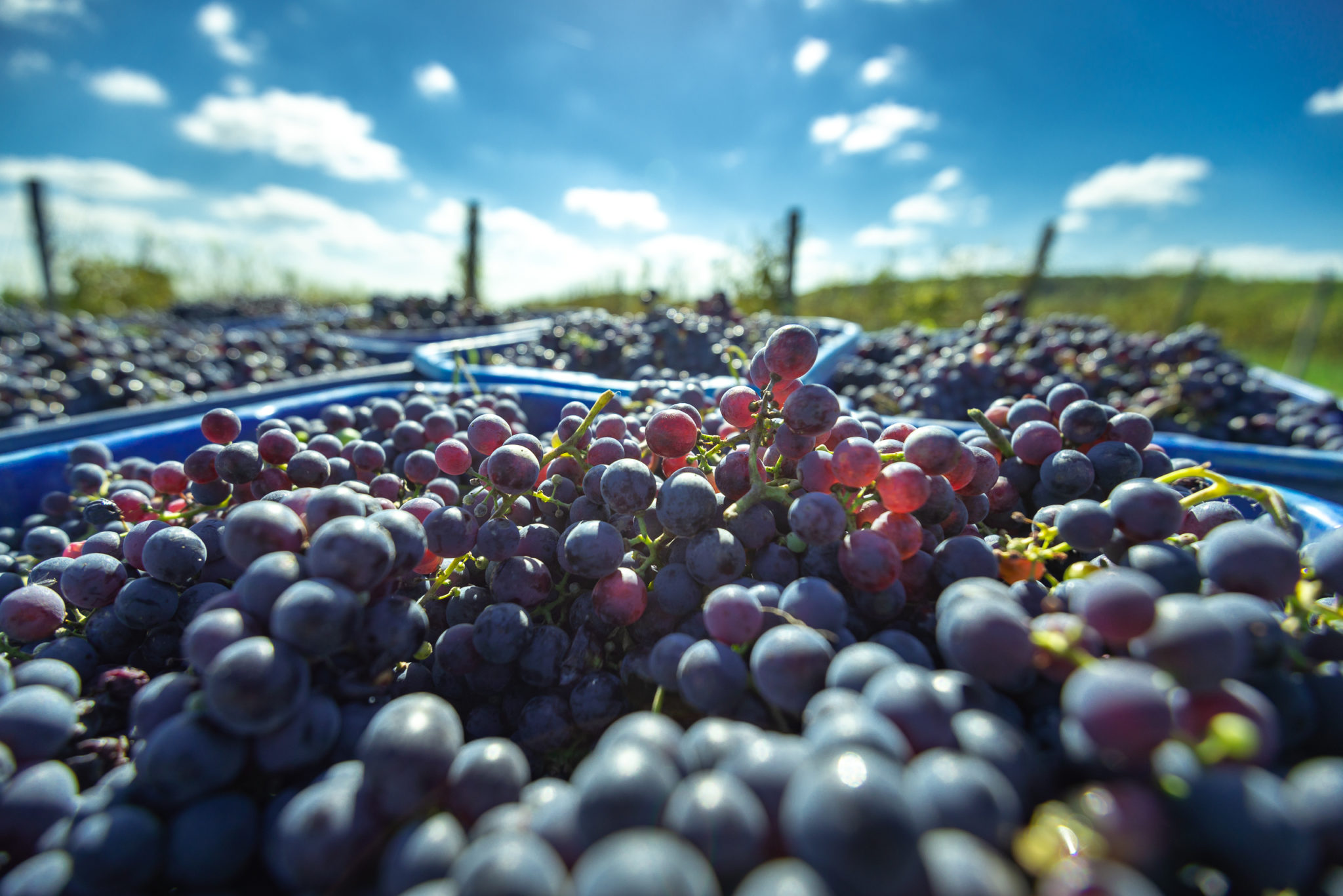

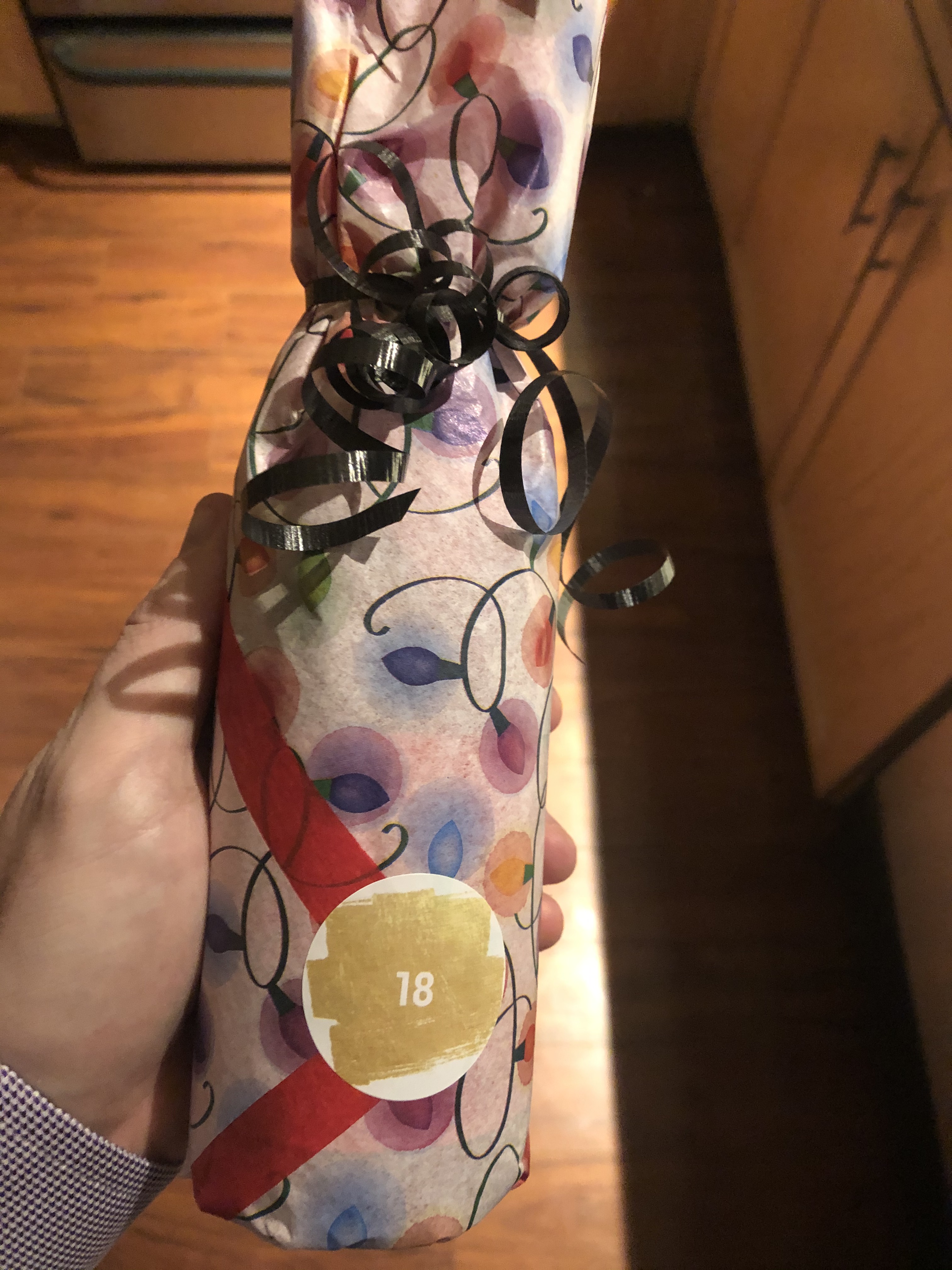 I’m not implying that I’m disappointed. In fact, this appellation is a deliberate step up in quality from the Cotes du Rhone per se. In the late 1960s, several villages successfully petitioned to include their names on wine labels, in exchange for being willing to submit to higher quality standards. These included the requirement that Grenache must comprise not less than 50% of any given red wine, with a further 20% consisting of Syrah or Mourvèdre in any proprotion. A maximum of 20% of other authorized varieties is also permitted, with these including various obscurities permitted in Chateauneuf-du-Pape (Cinsault, Muscardin, Vaccarese, Terret Noir) along with Carignan. At this point, the Cotes du Rhone Villages appellation has expanded to nearly 10,000 hectares, making it the second largest appellation in the Southern Rhone, half of which can add the name of a specific village to the label. Twenty villages can do this at the present time. This is starting to get the feel of the Dodo Bird verdict from Alice In Wonderland, where “everyone has won and all must have prizes”. Further reinforcing this notion is the fact that the other half of the appellation can distinguish themselves from generic Cotes-du-Rhône by adding the term “village”, albeit without a more specific moniker. The present bottle falls into the latter category, although the producer would certainly take umbrage with the notion that their wines are somehow worse than those labelled Visan or Roaix.










 cabernetdialectic (Raymond Lamontagne)
 Dan Steeves
 Peter Vetsch
 tylerderksen
 pop & pour