By Peter Vetsch
Another year, another Advent, another calendar complete, and another December blogging marathon brought to the finish line. After 24 days and 24 different half-bottles, I am left partly eager to again regain access to my own cellar and my own agency in terms of nightly wine selections, but mostly impressed at the tremendous range and consistent quality of the 2019 Bricks Advent Calendar. For my money, this third edition of Bricks’ December crate was by far the best to date, with no bottle (other than the one impacted by the Chateauneuf-du-Pape curse, a mystic force beyond mortal defences) a disappointment and all of them compellingly showcasing their varietal and region with admirable typicity, all for a price tag averaging a shade under $20 per split. That’s not an easy feat, but it was accomplished with flair — mark me down for next year’s calendar already.

Our annual Pop & Pour Advent tradition is to wrap up our calendar coverage with each author’s Advent podium wines, as well as a dark horse candidate that particularly captured their attention. In order to ensure neutrality and avoid cross-contamination of opinions, all three of us separately wrote down and submitted our lists; any overlaps (and there were many) are a testament to the wines involved and not a function of any groupthink. If you had a Bricks calendar for 2019 and have been following along, let us know your top 3 wines in the comments below! Without further ado, our list of winners:
Ray Lamontagne’s Top 3 Wines
- 2015 Ken Wright Cellars Freedom Hill Vineyard Pinot Noir (Day 23): A pure, seamless meld of power and complexity.
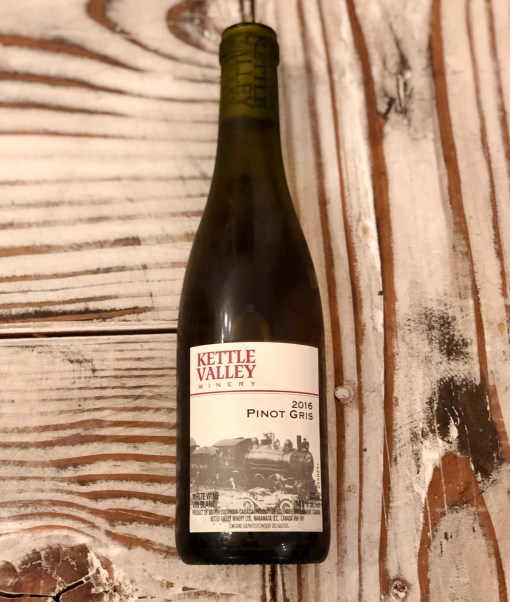
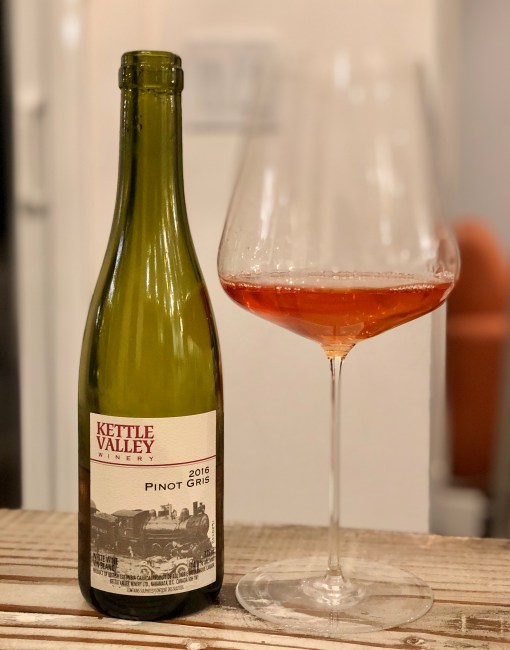
- 2016 Kettle Valley Winery Pinot Gris (Day 11): The freshest side of orange wine.
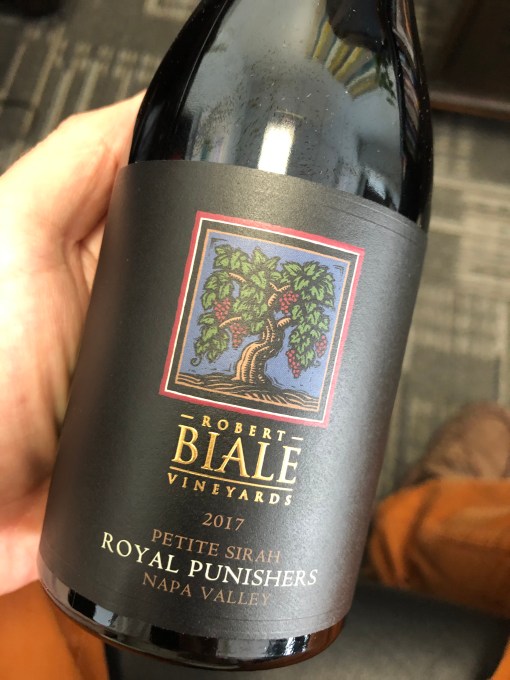
- 2017 Robert Biale Vineyards “Royal Punishers” Petite Sirah (Day 14): A purple behemoth that is not without subtleties.
- DARK HORSE — Porto Quevedo 10 Year Old Tawny Port (Day 8): An old style from a small yet classic house.

Tyler Derksen’s Top 3 Wines
- 2015 Ken Wright Cellars Freedom Hill Vineyard Pinot Noir (Day 23): Bold yet structured, this wine delivered at every level. Perhaps a bit predictable after last year’s Top 3 lists from Peter and Ray, but this bottle deserves the top spot.
- 2016 Kettle Valley Winery Pinot Gris (Day 11): Easily the biggest surprise of the calendar for me. Mild disappointment (I’m not a huge fan of Pinot Gris) turned a complete 180 when I brought the glass to my nose. Wonderfully balanced, this exemplifies what orange wine can be when done right.
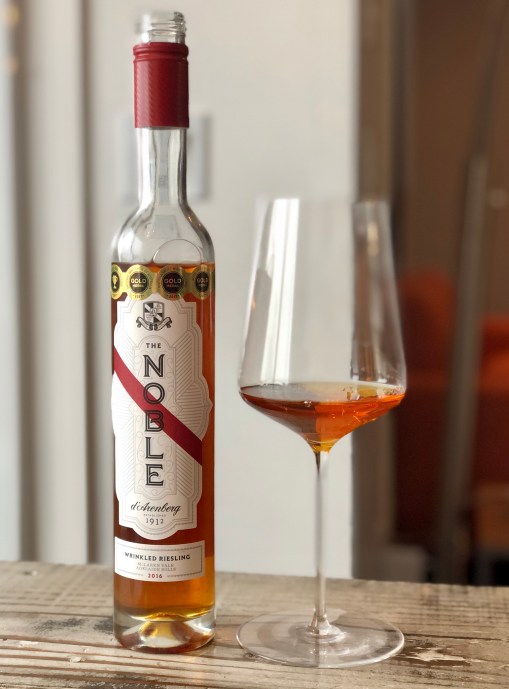
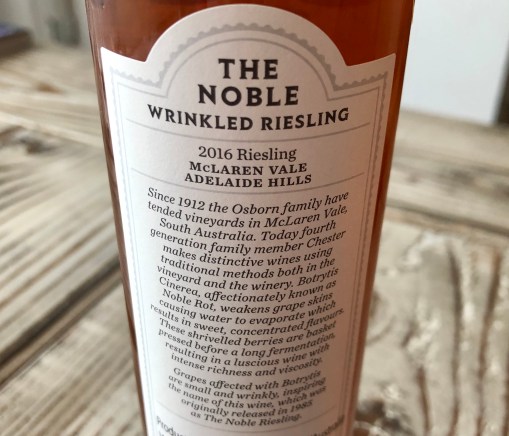
- 2016 d’Arenberg “The Noble” Wrinkled Riesling (Day 22): This made my list for pure hedonistic pleasure. It may not be perfectly balanced, but a flower-shop nose keeps this from being one-note.
- DARK HORSE — 2017 Robert Biale Vineyards “Royal Punishers” Petite Sirah (Day 14): This was definitely in the running for the podium until the last few days. Evilly dark, the myriad of notes on the nose and palate made this both delicious and interesting.
My Top 3 Wines
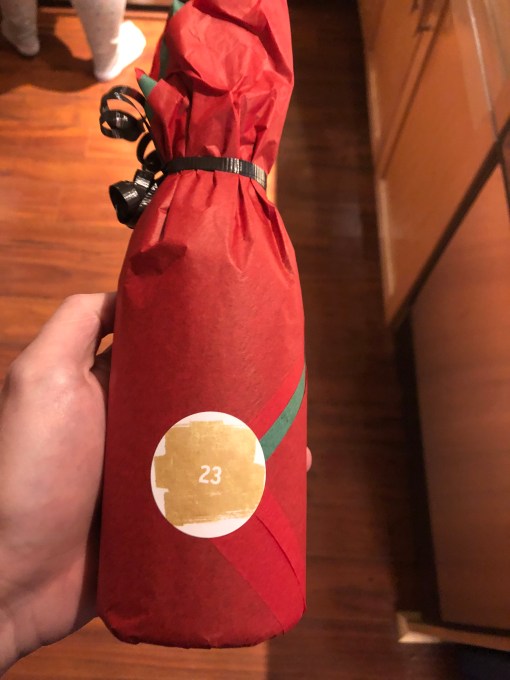
- 2015 Ken Wright Cellars Freedom Hill Vineyard Pinot Noir (Day 23): A Ken Wright back-to-back calendar sweep. He takes no Advent prisoners. The biggest point of intrigue this year was the remarkably stark difference between this dark, rocky Freedom Hill Pinot and last calendar’s bright, elegant Shea Vineyard Pinot, especially since each hail from the same 2015 vintage! Terroir indeed.
- 2016 Kettle Valley Winery Pinot Gris (Day 11): Probably my most memorable calendar wine, that perfect combination of orange wine’s bitter phenolics and white wine’s purity of fruit.
- 2017 Robert Biale Vineyards “Royal Punishers” Petite Sirah (Day 14): A true statement of identity, and a clarion call of Petite Sirah’s suitability in California. A deep, dense, gritty, lasting experience.
- DARK HORSE — 2016 K.H. Schenider Dornfelder Trocken (Day 2): The World’s Best Dornfelder™ is an old friend whose acquaintance I made a while ago, but it never ceases to thrill and impress. Each successive bottle is a reminder of the potential of this grape when grown in the right spots and handled the right way.

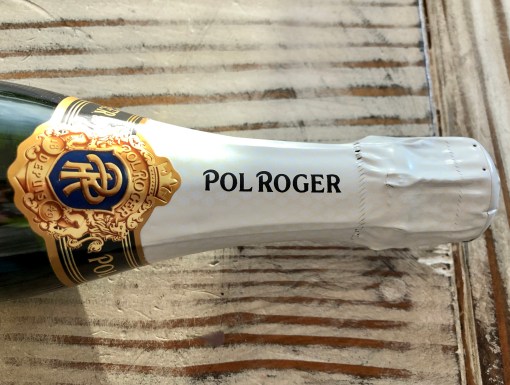
All I know is that I will be heading out and grabbing some Ken Wright (full bottle versions) during Boxing Week — no Advent calendar will ever be the same unless he’s involved. As Advent reaches its zenith, consistent with Bricks tradition, we finish off the long and winding road of the calendar with both a toast to the journey of the past 24 days and a half-bottle of bubbles to allow us to make it. Tonight’s wrapping paper slips off to reveal the Pol Roger Brut Reserve NV, probably the most compelling sparkler to grace a calendar to date, from one of my favourite Champagne houses. I first tried Pol Roger in WSET class, where it was held up as an exemplar of what classic Champagne should resemble. This Reserve version of Roger’s standard NV Brut bottling takes its status as comparison reference seriously: it is a roughly equal blend of all three grapes of Champagne (Pinot Noir, Pinot Meunier and Chardonnay), with 25% of older reserve wines from Pol Roger’s cellars added to the base vintage (2013 or 2014, if I had to guess). After blending, secondary fermentation and disgorgement takes place 33 metres below ground after regular hand-riddling and around 4 years maturation on lees.
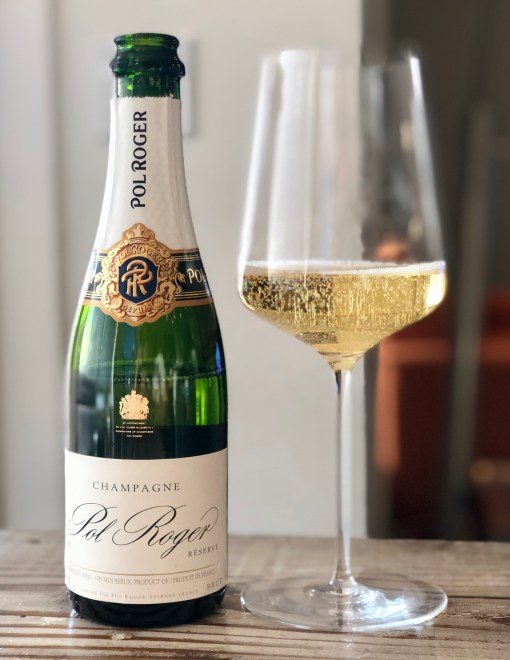
Our collective Christmas Eve present is a deep straw colour run through with millions of racy pinpoint bubbles that continue their ascent to the top of the glass even after over an hour’s worth of exposure to air. The eager and festive nose combines vanilla bean, tapioca, butter croissant, lemon drop, black jujube, aloe and toasted almond, albeit in a more focused and chiselled way than the largely confectionary descriptors might suggest. Rich and almost custardy on the tongue, the Brut Reserve is firmly structured on rails of electric acidity, the only thing restraining the expansive flavours of salted butter, charred lime, matchsticks, Golden Delicious apple, crystallized ginger and fresh caramel. An extended persistent finish allows for plenty of reflection on where are now are and how far we have come. A delightful toast to the season, to the upcoming joys of tomorrow morning, and to the sheer lazy pleasure of not having to blog for the rest of the month! Merry Christmas, all. Until next Advent.
90- points

Cork Rating: 7.5/10 (I love the little “PR” logos ringing the metal cork cap. Classy and classic.)

 I should be careful with such statements. Oregon Pinot will probably have more bright fruit than your average Cote d’Or. But one cannot escape the comparison when it comes to such fine-grained mapping of vineyard sites. The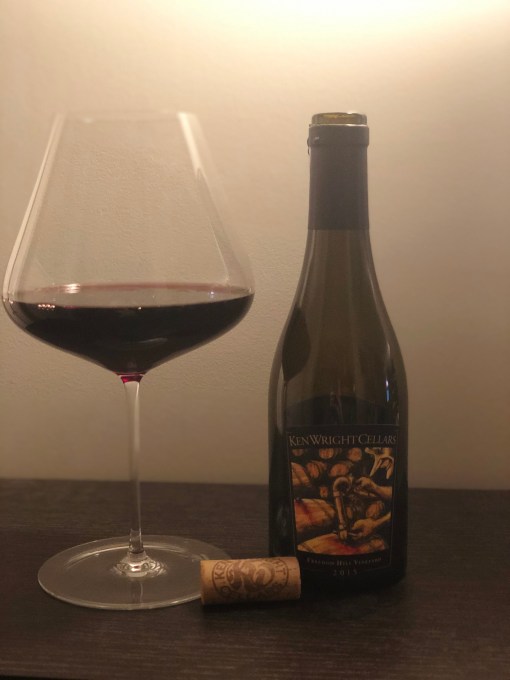








 I’m not implying that I’m disappointed. In fact, this appellation is a deliberate step up in quality from the Cotes du Rhone per se. In the late 1960s, several villages successfully petitioned to include their names on wine labels, in exchange for being willing to submit to higher quality standards. These included the requirement that Grenache must comprise not less than 50% of any given red wine, with a further 20% consisting of Syrah or Mourvèdre in any proprotion. A maximum of 20% of other authorized varieties is also permitted, with these including various obscurities permitted in Chateauneuf-du-Pape (Cinsault, Muscardin, Vaccarese, Terret Noir) along with Carignan. At this point, the Cotes du Rhone Villages appellation has expanded to nearly 10,000 hectares, making it the second largest appellation in the Southern Rhone, half of which can add the name of a specific village to the label. Twenty villages can do this at the present time. This is starting to get the feel of the Dodo Bird verdict from Alice In Wonderland, where “everyone has won and all must have prizes”. Further reinforcing this notion is the fact that the other half of the appellation can distinguish themselves from generic Cotes-du-Rhône by adding the term “village”, albeit without a more specific moniker. The present bottle falls into the latter category, although the producer would certainly take umbrage with the notion that their wines are somehow worse than those labelled Visan or Roaix.
















 pop & pour