By Raymond Lamontagne
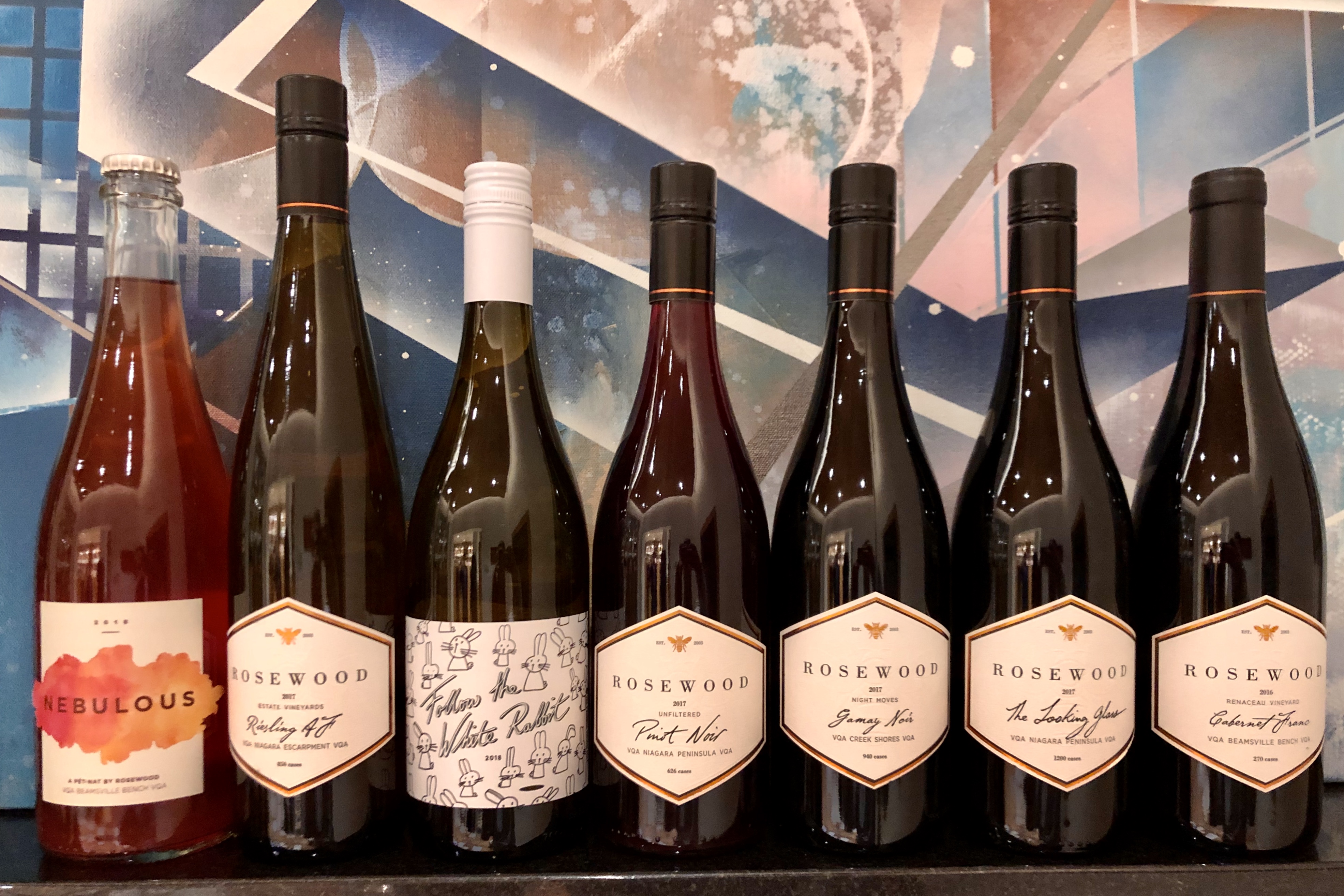
[These bottles were provided as samples for review purposes.]
I almost literally jumped at this opportunity to blog an Ontario winery. Although I’m a western boy born and raised, and therefore somewhat imbued with the trappings of a “friendly rivalry” with all things associated with the centre of the Canadian universe, I do have some roots in the province. Trips out to see my wonderful in-laws have solidified a curiosity around Ontario wines, if not a budding passion that has so far survived some edifying (if not exactly lovely) experiences with bargain-priced local bottlings made from hybrid grapes. Add in the fact that the Alberta market is saturated with wines from our climate-change-plagued neighbour to the west, and I’m always looking for something different from our home country’s wine scene. Enter Flat Rock Cellars, a technologically proficient yet philosophically irreverent winery nestled within the confines of Ontario’s Twenty Mile Bench.

The Twenty Mile Bench is one of ten sub-appellations of the greater Niagara Peninsula region, a large area so diverse as to defy ready generalizations apart from the climate-moderating effects of Lake Ontario. More than half of Ontario’s VQA wineries fall within this overarching boundary. Fortunately we can provide more focused and useful characterizations of the smaller sub-appellations, and the Twenty Mile Bench provides an illuminating example of what Ontario can do with cool climate varieties. The area is a complex checkerboard of small, moderately steep slopes at high overall elevation, which affords relatively long periods of sun exposure. Breezes off the lake serve to circulate warm air, extending daytime temperatures into the evening. This provides ideal ripening conditions for high-acid cool climate varieties.
The soils here are predominately clay with a liberal dose of limestone, with a solid capacity to retain moisture that can mitigate the worst effects of drought. These are excellent soils for stress-prone mature vines. Some accomplished sommeliers propose that deep clays can lend a pronounced fruitiness to the resulting wines, while limestone lends a razor edge of acidity. Although I am leery of such umbrella proclamations even as I enjoy digesting them, these broad brush strokes around terroir make me wonder about the potential for a glorious balance in well-made Twenty Mile Bench wines: structured and fresh yet fruity, precise and pixelated yet pleasurable. Flat Rock Cellars seems poised to deliver on such a promise.
Read the rest of this entry »





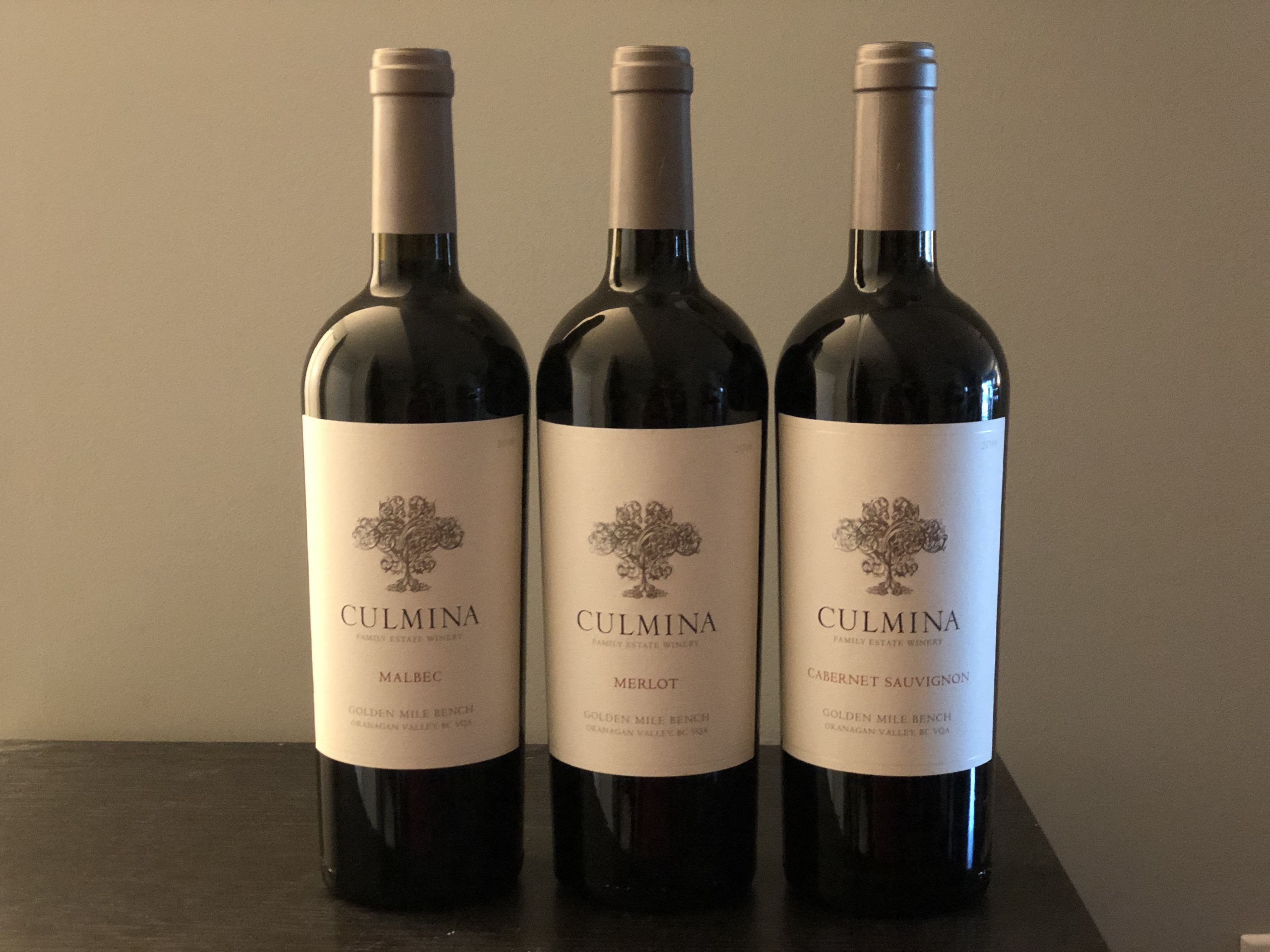




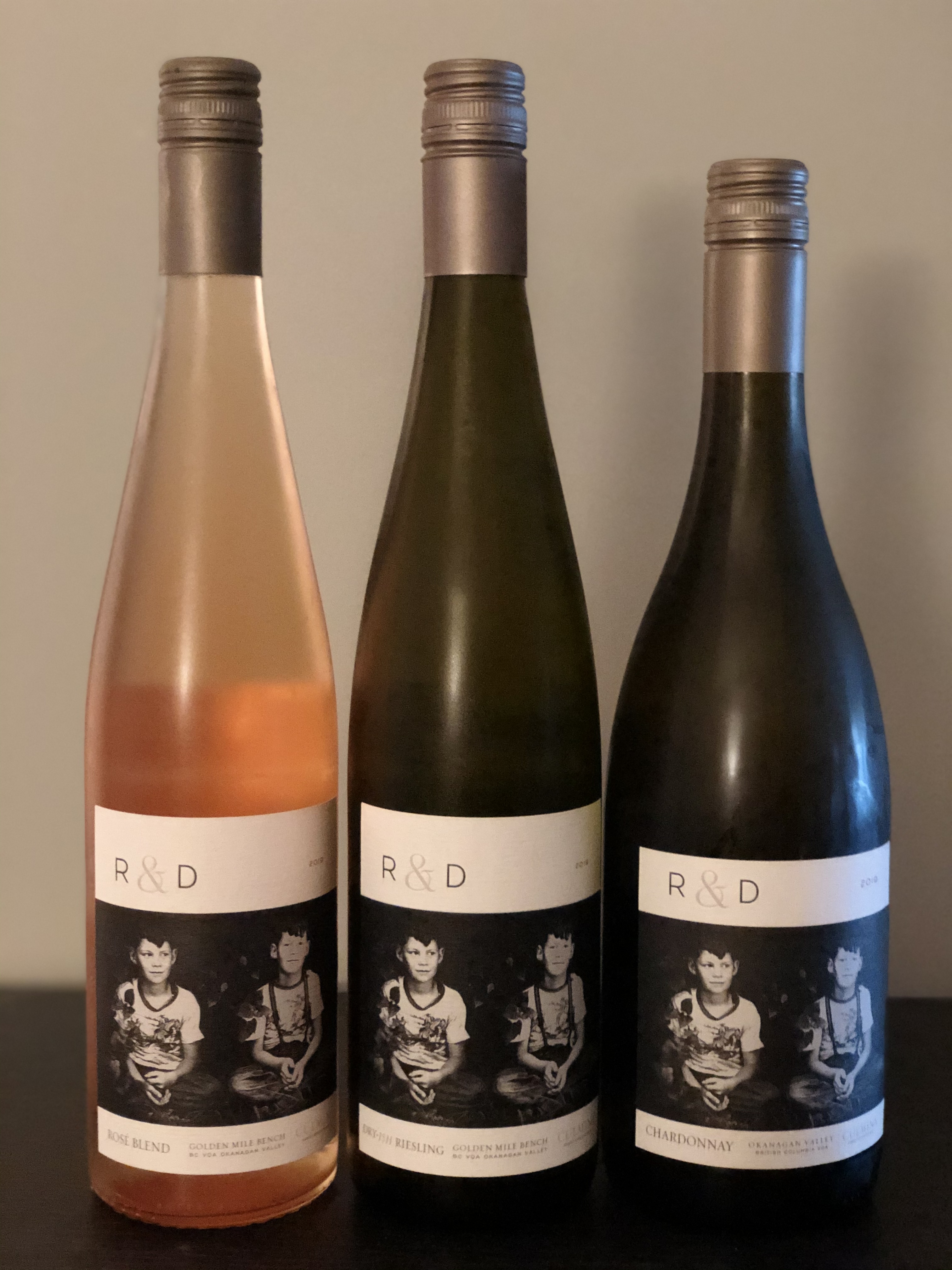

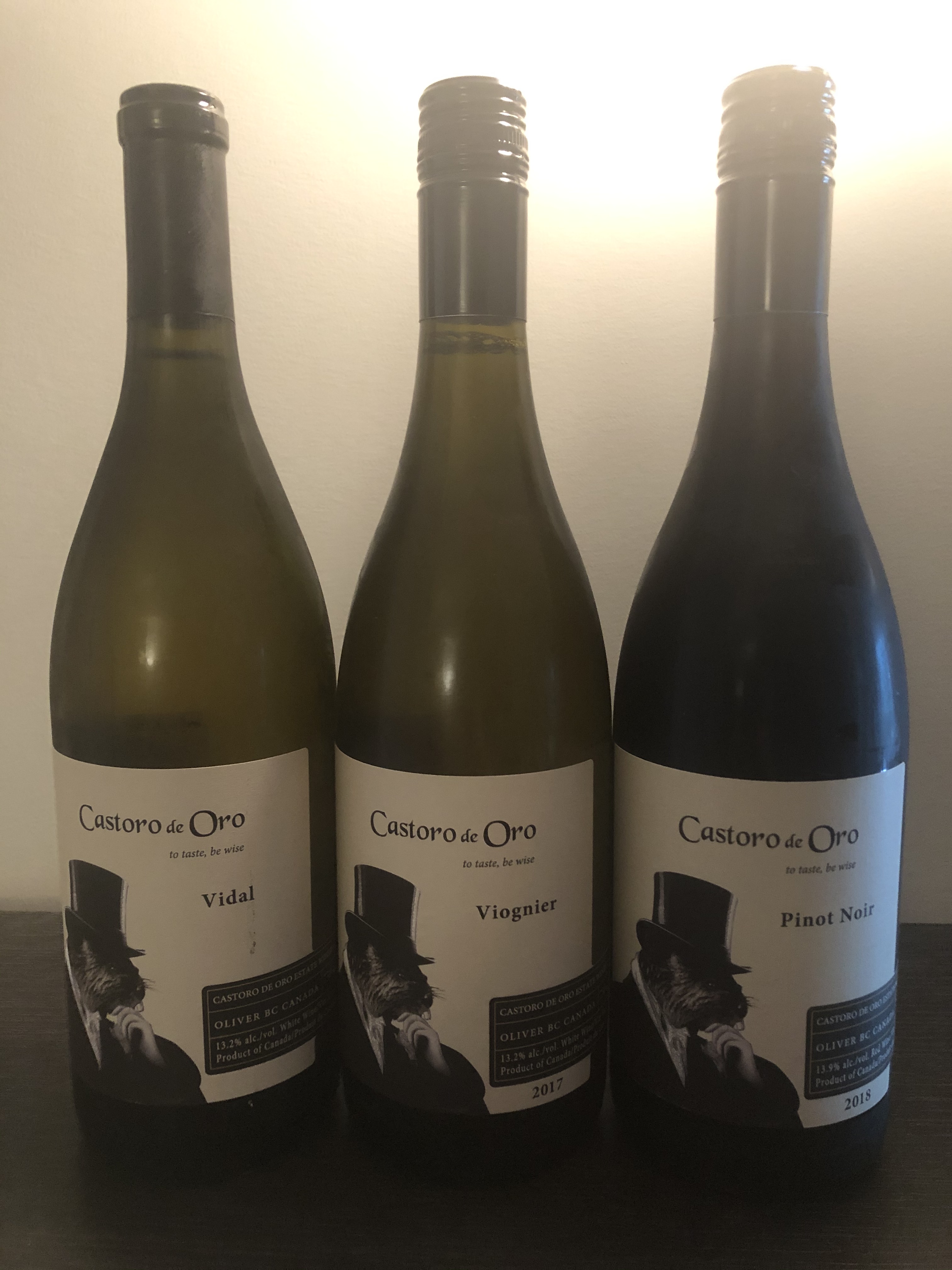

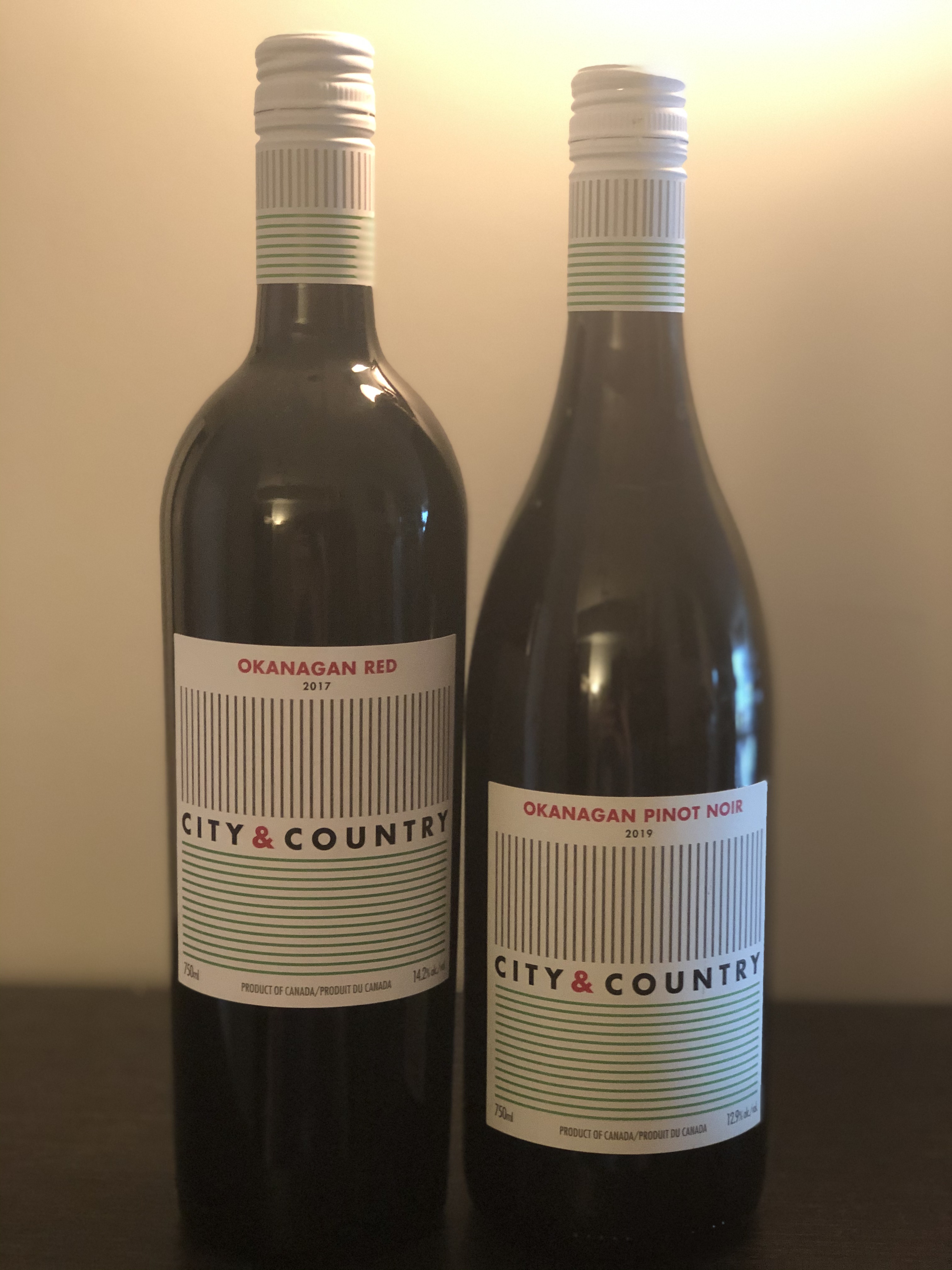 City & Country can be found east of Macleod Trail and just south of Erlton, although the brand itself predates the bricks-and-mortar winery that started operations this year. Chris Fodor and his wife Karen first made their own wine in 2017 with some help from Pentage Winery in the Okanagan, where their winemaking endeavours were originally housed, but the Fodors’ aspirations were ultimately bigger than just one wine region, or even one country. They reasoned that a winery based in a large city could source grapes or even pressed must from anywhere, so long as everything is temperature-controlled. I’ll mention here that such a model is used by some of my favourite boutique wineries in California and elsewhere in the US, although in these cases the winemakers draw upon a limited number of local options (often very specific, unique sites) for grape sourcing. The Fodors seem to scoff at the notion of such constraints, although understandably the focus of the winery’s initial releases seems to be on grapes from next door in the Okanagan.
 The Fodors officially opened the City & Country winery on February 1st, 2020. Of course, COVID-19 struck after a mere month and a half of operations, but City & Country pushed forward with characteristic Alberta resilience,







 cabernetdialectic (Raymond Lamontagne)
 Dan Steeves
 Peter Vetsch
 tylerderksen
 pop & pour