By Raymond Lamontagne
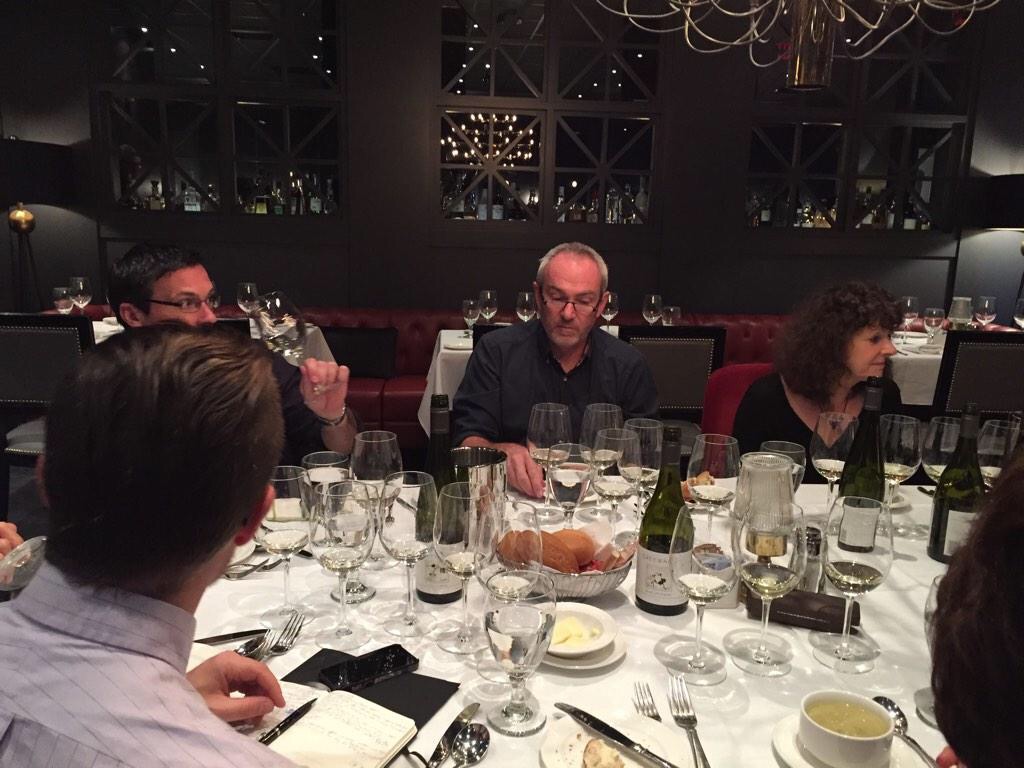
The more New Zealand wine I drink, the higher it climbs in my esteem. Renowned for its superb array of cool climate vineyards and their purity of fruit expression, New Zealand provides a fine showcase for my favourite black grape, Pinot Noir; I have also met few who cannot appreciate the unique and ultra-distinctive style that is New Zealand Sauvignon Blanc. We were all exceptionally pleased to welcome to Calgary Nautilus Estate’s winemaker Clive Jones, who travelled all the way from the globally renowned Marlborough region to put an array of his wines through their paces before us. Limits on word count and reader attention span mean that I must immediately plunge into telling six different stories about six different Marlborough wines…OK, five stories. You’ll see below.

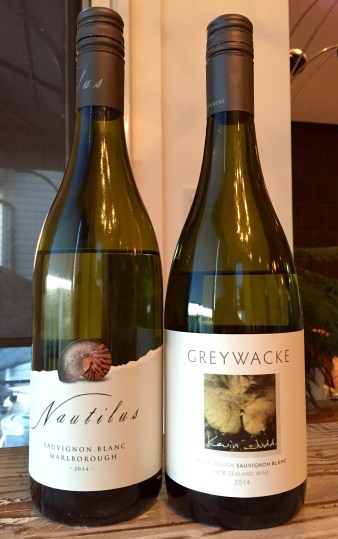
2017 Nautilus Sauvignon Blanc (~$23)
Clive’s knack for explaining technical winemaking details in highly entertaining fashion becomes immediately apparent as the tasting begins. He feels fortunate that a vintage as challenging as 2017 in Marlborough, one marred by not one but two cyclones, could yield a wine of this caliber: “It did get 92 points…if we care about points.” I don’t, but much of the world at large does.

Nautilus winemaker Clive Jones
Only about half of 2017’s grapes were picked before the weather turned foul, but miracles were wrought and enough of the remainder were able to be used in the final blend. This crisis averted speaks to the classic advantage for those making a varietal wine from a blend of different sites year in and year out, a characteristic that Marlborough (with its myriad soil types and small-scale regional differences in elevation and climate) shares to some extent with Champagne. With an array of lots from different parcels to choose from, careful adjustments can be made by the savvy winemaker to land on a house style every time. The intent in Nautilus’ case is to dial down the aromatics (but not too far down) and dial up the palate weight, yielding something with a pleasing texture that maintains the drinker’s interest. Interestingly enough, part of Clive’s strategy involves adding around 1% of barrel-fermented wine to the Sauvignon Blanc blend, the remainder hailing from trusty temperature-controlled stainless steel tanks. This calculated attempt to tame what is usually a fiercely aromatic, high-acid variety while still exalting the grape’s fundamental identity executes its mission with precision.


 If you follow this blog (thank you!) and enjoy wine reviews (I do too!) but aren’t as into other forms of alcoholic beverages, I would suggest that you cherish this write-up. Mull over it. Take your time reading it. Stop halfway through and come back tomorrow to finish it. It will have to last you a long time. This is officially Pop & Pour’s last wine review until after Christmas, as on Thursday I dive headlong into Year 3 of Whisky Advent, with 25 straight days of write-ups about the little bottles sequentially coming out of

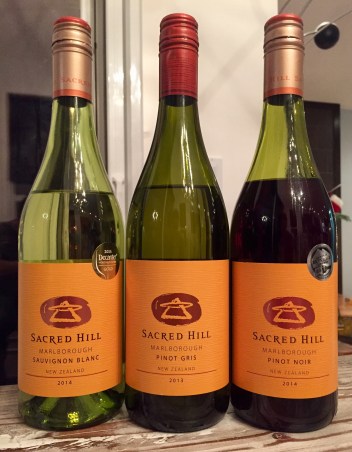
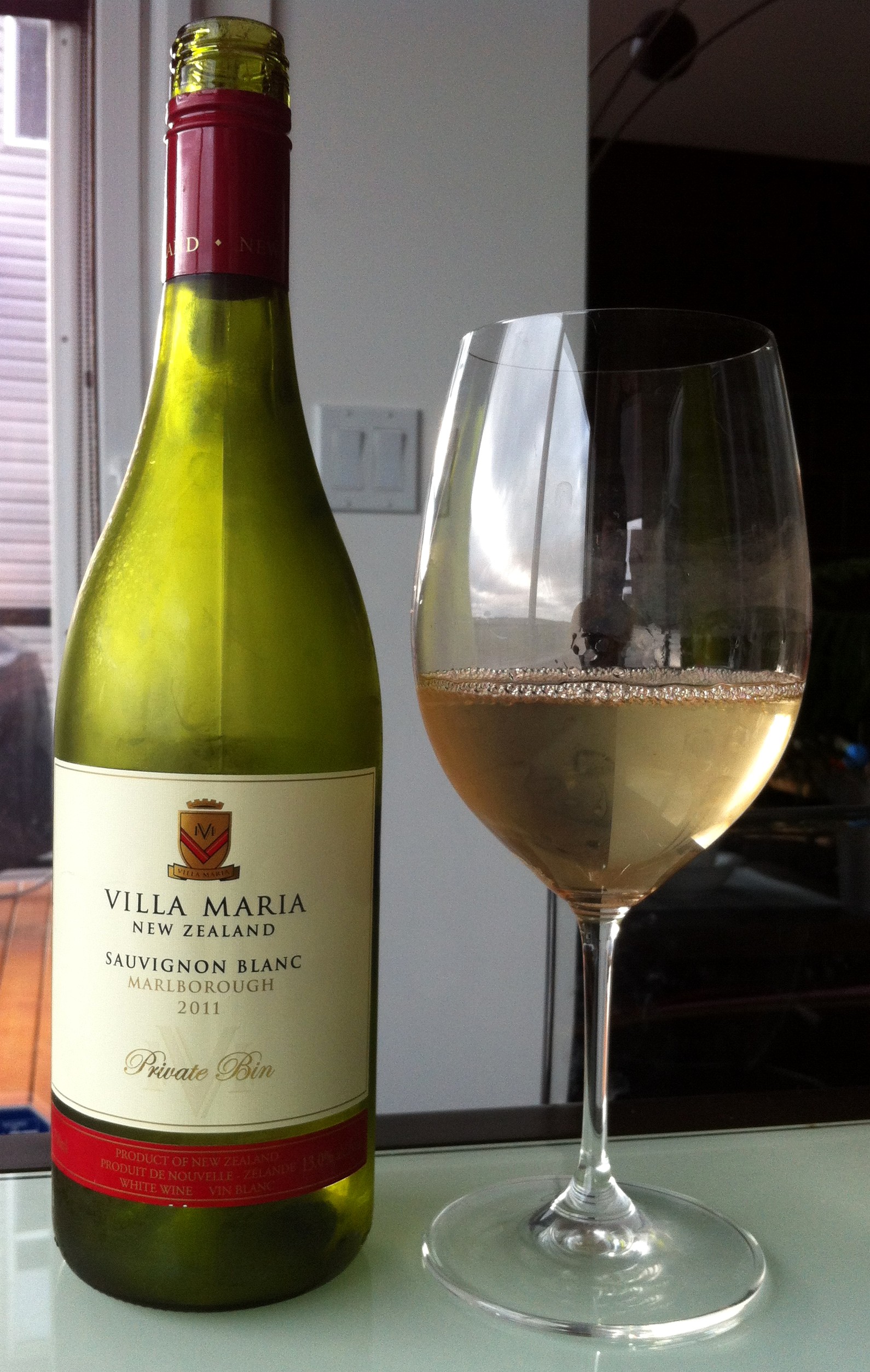
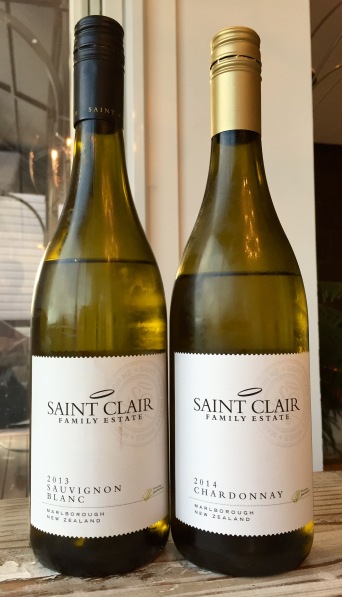 When you’re in a brand new wine shop or liquor store looking at a string of unfamiliar sub-$20 labels and hoping not to take a step too far wrong, the word “Marlborough” should be a huge source of relief to you. It is the name of New Zealand’s most famous wine region, and more than maybe any other star region on Earth whose bottles you can still grab without a price cringe, it offers a very high quality floor, a strong baseline that offers confidence that even the lower-end offerings on the shelf will be somewhat well-put-together. Marlborough, located on the northern tip of New Zealand’s South Island, is most renowned as the birthplace of Sauvignon Blanc’s most distinctive New World expression, that zingy, grassy, refreshingly searing style that almost anybody under 30 now associates with the grape. Producers there have locked down on that mythical combination of quality, quantity and value that make Marlborough the safest, if at times one of the more redundant, “I’ve-never-had-this-bottle-before” picks out there.





 cabernetdialectic (Raymond Lamontagne)
 Dan Steeves
 Peter Vetsch
 tylerderksen
 pop & pour