By Raymond Lamontagne
As we approach the halfway point of this Advent campaign, I gingerly unwrap today’s offering and the bemusement arrives as if on cue: Another 2013! 2013 is the new 2018. Or something. And its a Barbera d’Asti with a lovely label. Hmmm. I begin recalling what I know about this grape. Barbera is a high acid low tannin variety, although it is also very darkly pigmented, containing roughly twice the color compounds of Nebbiolo. Although the grape does best in Piedmont, and in the Asti DOCG specifically, it is the third most widely planted black grape in Italy. Barbera is lauded as being easy to grow and rather tolerant of mistakes in the vineyard or cellar; it yields decent wines even at high yields in rich soil. Although historically such wines were quite austere and characterized by piercing acidity, they have evolved into an approachable, soft, rich style that is often permeated by the telltale chocolate and vanilla aromas of new oak. As is the case with most indulgences, moderation is everything. Some argue that the trend towards oak aging has gone too far. Regardless, Barbera could be a grape on the cusp of international superstardom. It does well outside of its native land and its pacific temperament lends itself to a whole range of styles, from crushable easy-going reds full of juicy red and black cherries to wines more regal and age-worthy.
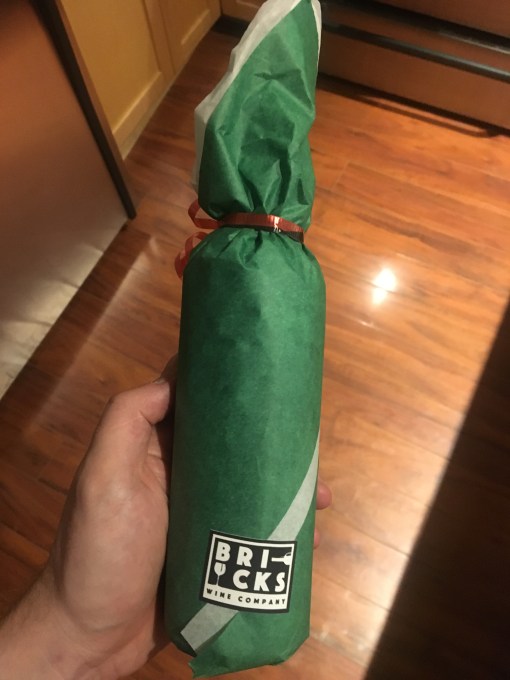
Not afraid of oak is La Spinetta, founded by Giuseppe and Lidia Rivetti in 1977. La Spinetta produced the first single vineyard Moscato in Italy, and the present wine, Ca’ Di Pian, was their inaugural red. La Spinetta eventually added holdings in both Barbarsco and Barolo, even spreading beyond Piedmont into Tuscany. Their philosophy is summarized as ” 90% of the work we do at La Spinetta is in the vineyards, with just 10% in the cellar”. 75% of their vineyards are farmed in accordance with biodynamic principles, and chemicals are used at a bare minimum in those that are not. Indigenous varieties are coveted, with La Spinetta seeking to let native grapes reflect local conditions as opposed to using international varieties to score points. Besides, Barbera is more than capable of providing colour. Vine ages range from 35 to 65 years old. Green harvesting is used to keep yields low. Cooperage is 80% new medium toast French oak barrels (225 liter barriques) and the cellar is constantly controlled for temperature and humidity. This is all well and good. My burning question is, why the rhino? Read the rest of this entry »




 cabernetdialectic (Raymond Lamontagne)
 Dan Steeves
 Peter Vetsch
 tylerderksen
 pop & pour