Bricks Wine Advent Calendar 2017: Day 18

18 12 2017

For those few brave stragglers who have stuck with us through this dual Advent adventure, we are three-quarters of the way there.  This is the last wine of the third of four columns of the Bricks Wine Advent crate:  we are a week from Christmas and six wines from having to pick our own bottles again for dinner.  Tonight’s bottle is a bit of a double-take wine, a Canadian split that is five years back-vintage for an offering that currently retails for around $20 for a full bottle (out east, at least).  It’s not often that I get a chance to see how value-priced local wines stand up to a bit of time, though I would love to hear the story of how Bricks came across this as a calendar opportunity.
IMG_7282

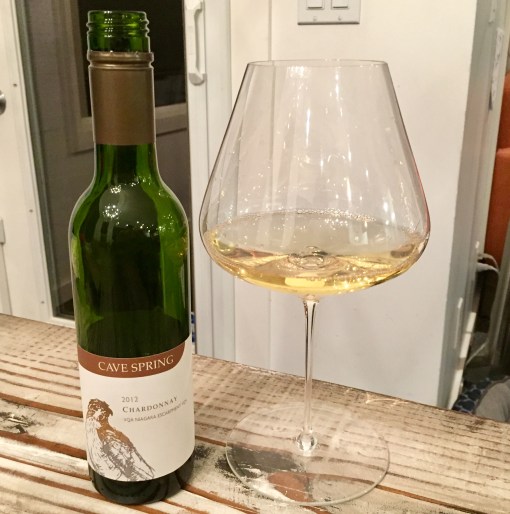
“This” is the 2012 Cave Spring Chardonnay from the Niagara Escarpment region.  The winery was the first to plant vinifera grapes in Niagara and among the first to recognize the vinous potential of the region.  It was also the first in Niagara to tack on its own spa as a tourist attraction, making it an early leader at recognizing the area’s business potential as well.  The Niagara Escarpment line of wines represents the second of four tiers of Cave Spring wines, where grapes are sourced from multiple different vineyards within the subregion; the most interesting part of this wine is that it appears to be a blend of standard Chardonnay grapes with Chardonnay Musqué, an aromatic, floral, spicy mutation of the varietal that adds some olfactory punch to what can otherwise be a fairly neutral grape.

IMG_7280

RED wine???

One thing about half-bottles is that they accelerate a wine’s aging curve, because (1) oxygen is the primary thing that matures (and ultimately degrades) a wine and (2) there is a greater ratio of oxygen to wine in a 375 mL split because the ullage (the space between the wine and the cork at the top of the bottle) is the same for all sizes of wine.  This 2012 is therefore further advanced in its life than a standard bottle would likely be, and it’s starting to show.  The wine is a shimmering lemon-gold colour in the glass and showcases its multi-clone blend in a musky, tutti-frutti nose of honeydew, Meyer lemon and cantaloupe, accented by remnants of once-toasty oak and sulphur-y struck matches.  Medium-bodied, with still-present scruffy barrel tannin and fading acidity, this Chardonnay is not quite sure where it is on the palate:  the fruit has kind of gone to a murky place, the oak has resolved to a pastry crust/vanillin glaze, and the wine overall seems to have one foot each in two different stages of development, clinging to the remains of its youth while also giving in to the inevitability of age.  I think it likely would have stood out more a couple of years ago, but it remains a solid expression of what Niagara Chardonnay can do at a wallet-friendly price.

87+ points
IMG_7281

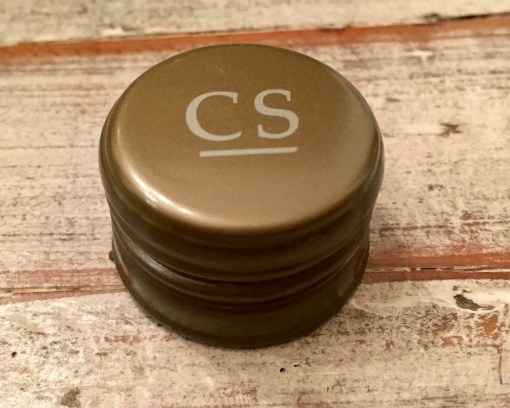
Steven Rating:  6/10 (Dig the colour, but there’s only so high I can go with two underlined letters.)


KWM Whisky Advent Calendar 2017: Day 18

18 12 2017

The world has ceased to be.  Welcome to oblivion.

That is some approximation of what I felt when I cracked tonight’s calendar door after this particular day and saw Ardbeg Corryvreckan staring me back in the face.  Between and early and constantly stressful workday and other obligations, I was ready for a friendly Labrador retriever of an Irish whiskey or something fun from some other new wacky whisky nation.  Instead I got the Mordor of Scotch whisky, from the producer most commonly associated with near-merciless peat levels in its bottlings.  Before levels of peating in whisky became something people tried to top each other at for no reason (looking at you, Octomore and Supernova, the latter of which is, to no one’s surprise, an Ardbeg), this distillery was probably known as THE foremost purveyor of peat, with most of its offerings featuring 55 ppm of peat phenols, the highest in the calendar to date.

IMG_7250

Nothing means anything.

This particular bottle of Ardbeg, the weirdly named (they’re all weirdly named) Corryvreckan, gets its moniker from a famous whirlpool located just north of the Scottish island of Islay from which this derives.  Even this whisky’s NAME is sliding off into the abyss on the label (welcome to oblivion), in honour of both the marine landmark and my current mood.  Before this gets too depressing, I should point out that the Corryvreckan is actually one seriously decorated whisky:  it was named World’s Best Single Malt (!!) at the World Whisky Awards in 2010 and has received a swath of other critical accolades.  A quick Google search results in much gushing about this French oak-matured monster, which retails for a relatively tame $120 given the buzz around it.

This is like drinking a junkyard:  my first aromatic notes were old rubber hoses, car tires, motor oil, shoe polish, kerosene and leather on fire, plus this weird melting-plastic offgas vibe at the start of every sniff that hammers home the whisky’s identity.  Ardbeg is rugged, fiercely peated, fiercely Islay whisky, and the Corryvreckan shies away from none of that.  There is a sweetness to the back of the palate, an apple cobbler and poached pear pleasantry, but that’s then almost immediately sacked and pillaged by industrial malaise and every conceivable sensory experience arising out of an old factory falling apart while still operating, with a finish like eating still-red fire pit ashes.  Welcome to oblivion.


Bricks Wine Advent Calendar 2017: Day 17

17 12 2017

By Dan Steeves

Day 17 of the Bricks Wine Advent Calendar brings us back to Italy for a taste from the iconic region of Chianti Classico, located south of Florence in central Tuscany. For me, Chianti is synonymous with pizza and rich pastas and is my go-to wine for such fare. It can be quaffable yet complex and its strong acidity makes it easy to pair with a lot of different foods, especially most of my favourite Italian dishes.

One of the many sub-zones located within the greater Chianti region, Chianti Classico has a long history of winemaking going back thousands of years; the region was officially delimited back in 1716. At the time, it was known solely as Chianti, and as popularity of the wine increased in the early 20th century, the region had to expand to further adjacent towns to meet demand. In 1932, “Classico” was added to wines made within the original delimited Chianti area and in 1984 it was established as its own DOCG. Chianti Classico is generally known as a higher quality wine compared to its neighbouring Chianti wines due in part to the more strict rules on its production, including longer aging (minimum 1 year vs 3 months), grape varietal content (Classico must have a minimum of 80% Sangiovese and no white grapes are permitted), and higher alcohol (minimum 12% vs 11.5%). Further quality tiers also exist in Chianti Classico with Riserva and Gran Selezione wines. Riserva wines must be aged for a minimum of 2 years, while Gran Selezione wines must be aged a minimum of 2.5 years, are comprised of the best fruit from the estate’s own vineyards, and have to be approved through a tasting panel to ensure they meet the strict quality threshold.

Tonight’s wine, the 2014 Félsina Berardenga Chianti Classico, comes from a relatively young producer which started in 1966 and whose vineyards are located on the southeastern edge of the Chianti Classico border at Castelnuovo Berardenga. All of Félsina’s Chianti Classico wines are made with 100% Sangiovese and throughout the years they have worked to ensure the best possible matches between various Sangiovese clones and the terroir of their lands. Out of the 600 hectares of land held by Félsina, only just 15% is under vine with the remainder farmed for other crops (olives, grains, fruits, etc) as they believe strongly in maintaining biodiversity on their land. This passion and respect for the land carries through to their wines, which showcase rich and dense flavours with an elegant structure.

The wine has a medium ruby colour with a fairly deep core, more than what you might expect for a Chianti (Classico). With a medium intensity, the wine comes out of the gates with an assortment of fruit aromas including plum, raspberry, dried dark cherry, and red licorice. The fruit isn’t overbearing though, and is layered over a strong core of developing notes of wet stone minerality, leather, clove, a light medicinal aroma and uncooked pie dough. This beautiful nose is equally matched on the palate, which shows much more earthy flavours of dried leaves, leather, clove, tomato leaf, vanilla, and walnut. The cherry and plum fruit come through on the tongue as well, but more the skin of the fruit than the flesh. Structurally the wine is solid with strong acidity, fleshy tannins, and a finish that provokes you to fill up your glass and take another serving of spaghetti.

89+ points

The easily recognizable black rooster seal of Chianti Classico. If you don’t know the story behind it, check out this previous post on Pop & Pour here.


KWM Whisky Advent Calendar 2017: Day 17

17 12 2017

By Tyler Derksen

I smile every time I pull a whisky from the KWM Whisky Advent Calendar because, well, whisky.  That said, I must say that my smile was a bit bigger today, as after trying some new whiskys over the last few posts, I am returning somewhere familiar – Islay.  Today’s scotch is the 12 Years Old from Bunnahabhain (pronounced boo-na-hah-venn).  The distillery dates back to 1881 and its name is Gaelic meaning “mouth of the river”.  The river in question is the Margadale and it will make a reappearance below.  Bunnahabhain is the northernmost of Islay’s distilleries and is located a few minutes north of Caol Ila, which made an appearance on Day 5.

IMG_4199

Bunnahabhain’s website takes a remarkably honest approach.  Rather than suggesting that its whisky is better because of the use of superior ingredients, it acknowledges that all whisky production begins essentially the same way.  In the case of Bunnahabhain, especially as it compares to other Islay distilleries, it is all about location, location, location.  Many of the other distilleries on Islay create their spirit using spring water that has wound its way through the island’s signature peat bogs.  Bunnahabhain, on the other hand, sources water from the Margadale, which flows through sandstone rocks and results in a spirit that is cleaner in its characteristics.  Also, unlike its Islay brethren, Bunnahabhain does not heavily peat its malt, creating a scotch that does not have the mossy, smoky characteristics for which the island is known.

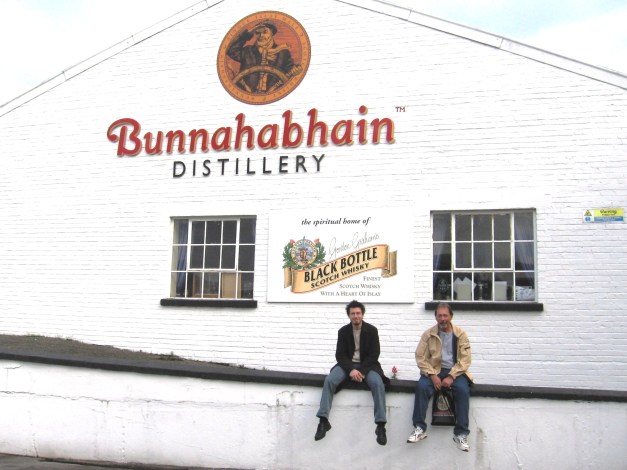
At this time, I’d like to take a moment to give a shout out to my Dad.  My parents and I went to Scotland in 2008 and spent five glorious days on Islay, during which time I took advantage of the opportunity to taste many of the peaty scotches that I love. It seems that an affinity for peat is not genetic as my Dad does not enjoy peaty scotch in the slightest, and so while he was able to enjoy Islay’s incredible beauty, he only took an academic interest in the distilleries we visited.  That all changed after we left our Caol Ila tour.  We were exploring the coast with no particular destination in mind and came upon Bunnahabhain, which neither of us had heard of.  Not ones to turn down the potential to try some free scotch, we went in.  It was a revelation for my Dad (and for me too) as we discovered a phenomenal Islay scotch that didn’t have the distinctive Islay peat flavour.  From that day forward Bunnahabhain has been one of my Dad’s favourite whiskies and we have enjoyed many a dram together.

IMG_1580

They say that it’s the journey and not the destination that’s important.  I don’t know who “they” are, but they are very wise.

The Bunnahabhain 12 Years Old was launched in 2010, is bottled at a comfortable 46.3% and is a deep golden colour in the glass.  The nose has a wonderful maltiness along with readily apparent sherried notes.  As if being unable to completely hide its Islay heritage, there is a slight note of smoke meandering through the nose, but it comes across more like wood smoke rather than the earthy peat smoke of other Islay scotch.  On the palate, the scotch is sweet with vanilla and further sherry notes.  There is also a wood flavour of some kind (I’m a lawyer, not an arborist) along with a hint of smoke to round things out and add further depth.  Again, the smoke is more like campfire/wood smoke and far less pronounced than one would expect from an Islay scotch.  If you’re not familiar with Bunnahabhain, I recommend rectifying that.  It appeals to those peat-averse like my Dad, but there is also something familiar for Islay aficionados and certainly justifies its price-point ($75 at KWM).  Trying something new is always fun, but sometimes its great to curl up with a glass that is familiar and comforting, which is what I got to do tonight.


Bricks Wine Advent Calendar 2017: Day 16

16 12 2017

By Raymond Lamontagne

Day 16 and we are still in California. Today we leave behind the high ABVs from grapes grown in the hot interior but vinified in Napa, to get a look at what Jon Bonne calls the “new California wine”. Rutherford is considered to be among the finest Napa Valley AVAs. It lies on the valley floor, getting ample sunshine and warm temperatures, two factors that translate into optimally mature grapes that yield opulent, richly-flavored wines. However, a cooling fog also moves northward up the valley from the Bay area, modulating the sunshine that would otherwise napalm the grapes into a watery oblivion. The results are ageworthy wines that display a precise balance of fruit and acidity. Although Cabernet Sauvignon is the undisputed king across the region, more traditional California variety Zinfandel retains a few toeholds here and there. At Frog’s Leap, Zin is the favourite.

IMG_0518

Interestingly enough, the same Riedel varietal tumbler glass is used for Sauvignon Blanc/Riesling on the one hand, and Zinfandel on the other. Maybe they mean white Zinfandel?

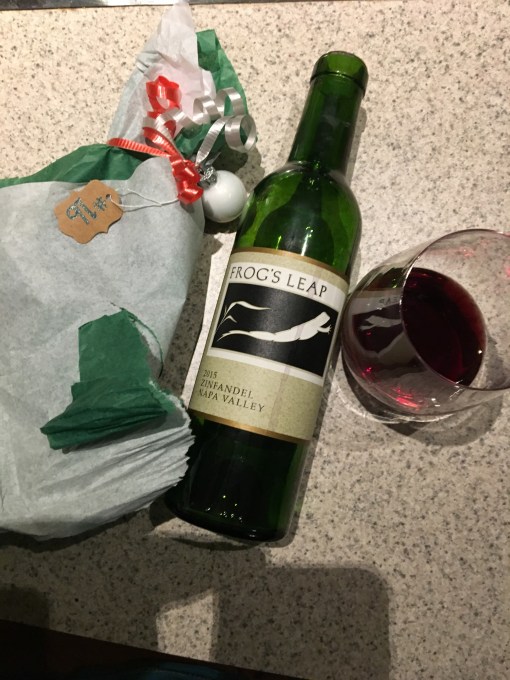
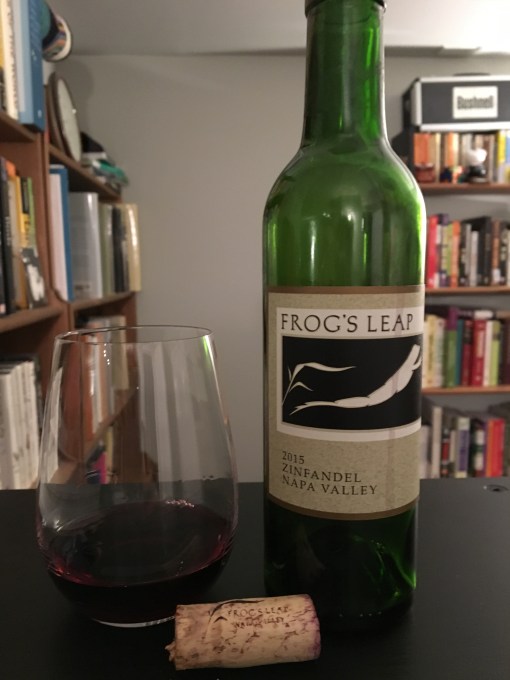
John Williams and Larry Turley started Frog’s Leap in 1981, ultimately creating a successful boutique winery that grows only organic grapes and practices dry-farming of vineyards (no irrigation, which many believe leads to sickly vines and bloated grapes that contain less acid, more sugar, and fewer of the  phenolic compounds that make wine worth inspecting, as opposed to crushing). They also incorporate at least certain aspects of biodynamics. Although these guys do not take themselves particularly seriously, stewardship of the land is another matter. Careful attention to yields, the aforementioned dry-farming, and respect for terroir work together to spawn Zins that show restraint, high-toned acids, earthy flavors, and (thankfully for the Advent-soaked liver) more reasonable ABVs. All of this emerges with minimal use of intervention. John Williams believes that nature makes wine, rather than man or woman. Finally, some of Cali’s fascinating grape-growing heritage is reflected in the fact that these old school Zins are often technically field blends: Other black grape varietals grow amongst the Zinfandel vines and are tossed into the pot to round out Zin’s corners and provide additional aromas, flavors, and mouthfeel. These can include various teinturiers (grapes with red flesh, historically used to provide more colour) as well as old warhorses that might be consigned to the dust bin of history were it not for a recent (positive!) trend toward preserving the past. The 2015 Frog’s Leap Napa Valley Zinfandel is 79% Zin, 19% Petit Syrah (or Durif), and 2% Carignan. Let’s delve in.

IMG_0517

Cork Rating: 6.5/10. I like the Frog’s Leap swoosh, but otherwise this looks a bit like a cigarette butt.

This is a truly smoky, meaty wine upon first impression. One quick sniff yields powerful hickory smoke BBQ sauce and fresh ground beef. A few more sniffs reveal bramble jam, complete with canes and leaves, pumice stones in a sauna, dill seed and weed, allspice (maybe I should just say pickling spices across the board). I taste mealy Saskatoon berries, blackberries purchased in winter when they are rather tart, strawberries, raspberries, maybe a dab of peach conserve and a sprinkle of sweet dried chilli. None of these fruits are overly ripe or cooked, and everything is just a day or two past green. Peter and I exchanged Instagram messages while tasting this wine, and in addition to what turned into a rather wonderful conversation about the twists and turns of life, he helped provide this take on the primary fruit. Somewhat sweet but far from jammy, and every bit as balanced as Rutherford promises to deliver. Fresh acidity lifts everything up, and the tannins have some grip and just enough stem. This is what I absolutely love about an old fashioned Cali Zin: bright fruit but with ample old thorn-bush shrubbery, robust smoke and spice, tons of country character, nothing blowsy. Curry spices (star anise, cumin, coriander) show up late. Finish is persistent and features another perfect symmetry between fruit and aromatics. After last night’s alcoholic explosion, this is a breath of fresh air. Incidentally, some of my favorite wines are those that trigger bittersweet memories. This one takes me back to the raspberry patch in my old backyard in NW suburban Calgary. I do not live there anymore and I am happy in the downtown core. But the memories remain.

92 points


KWM Whisky Advent Calendar 2017: Day 16

16 12 2017

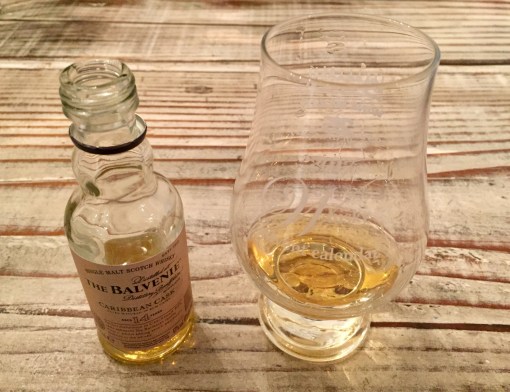
Two important beliefs that help make up my worldview are:  (1) Rum is delicious.  (2) Things soaked or aged in rum invariably taste better.  As such, I’ve wondered why there’s a relative dearth of rum cask whiskies out there, at least in comparison to the Bourbon Barrels and the (continual eternal string of) Oloroso Sherry Casks out there.  Thankfully, tonight, The Balvenie comes to the rescue…well, sort of, at least.  This is the first ever Balvenie calendar whisky that I’ve come across in 4 years, and it’s into the We’re Getting Serious portion of Advent, clocking in at $107 for a full-sized bottle.  It sells its rum influence hard, naming itself the “Caribbean Cask” and trumpeting that it is “Extra Matured In Rum Casks” (yes, “extra-matured” makes a second 2017 calendar appearance); a more careful review both brings that into some question and turns The Balvenie into a modern-day rum runner.

IMG_7239

Why is the rum gone?

This is stated to be a 14 Year Single Malt Scotch Whisky.  The Balvenie’s website states that this whisky was first aged in traditional American oak whisky casks for…14 years before being transferred to Caribbean rum casks for finishing.  I’m no math expert, but obviously the time spent in rum could not be measured in years given the variables before us.  But the actual brevity of the entire marketing core of this whisky is forgiven by the best cask story I’ve come across in 4 years of calendars.  Most whiskies aged in other booze casks obtain used barrels from wine or spirit producers for their new use in whisky maturation.  Instead of obtaining used rum casks (which surely exist), however, The Balvenie opted to take their own American oak casks and FILL THEM UP WITH RUM (a West Indies blend of their own selection), only to then empty out the rum and fill the drained casks back up with the whisky for a brief aging interlude.  The ideal, and completely true, epilogue of the story:  The Balvenie then RE-SOLD the rum at a profit because now it too was extra-matured.

The resulting sort-of-rum-aged concoction is a rich amber colour that certainly suggests extended maturation, and a resplendently rummy nose that makes me feel bad I questioned its Caribbean bona fides above:  cinnamon buns, nutmeg, gingerbread, pumpkin and honey create a combination I could keep smelling for a long time.  Languid yet spicy on the tongue, it prickles the palate with a cedary tangy bite, all the while unfolding confectionary charms in a carefree, leisurely manner.  White chocolate, peach, mocha, treacle and hot sand aren’t quite as rum-influenced as the aromas, but they are no less delicious.  It’s basically impossible to drink this whisky and be unhappy.


Bricks Wine Advent Calendar 2017: Day 15

15 12 2017

Tonight’s wine might suffer from a disconnect between actual and anticipated identity.  When the first words you note on a label are “California Viognier” and the listed alcohol clocks in above 14%, you think you’re in for a fun, flouncy, slightly provocative stone fruit and flower party.  When the label in question is from an Oakville winery, based in the heart of Napa, which is the heart of big, brash, Cali wine, you doubly brace yourself in anticipation of something raucous.  This bottle is solidly drinkable but has none of that carefree, sultry attitude.  It’s Viognier without joy.

IMG_7256

Miner Family Winery was founded by a husband and wine team in 1996, making this 2015 Miner California Viognier their 20th anniversary vintage bottling.  They make an astonishing array of wines, from Cab and the other Bordeaux varietals to Burgundy’s Pinot Noir and Chardonnay to the reds and whites of the Rhone Valley to Tempranillo and Sangiovese.  There are multiple bottlings of most of these, so their winemaker obviously stays busy.  The winery’s pride and joy is likely its 20,000 square feet of underground cellaring caves carved into a Napa rock face, which were dug at great expense shortly after Miner came to be.  Despite being Napa-based, they source from across the state of California, as evidenced by the straight “California” designation on this particular bottle.  62% of this Viognier comes from a single vineyard in Paso Robles, while the other 38% comes from the Sierra Foothills; since the wine crosses appellations, it has no choice but to revert to the broader state-wide statement of origin on the label.

IMG_7259

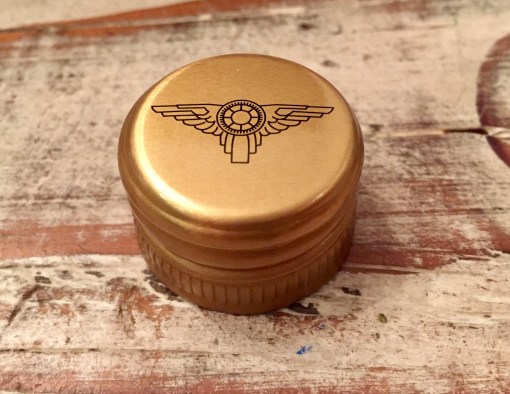
Stelvin Rating:  8/10 (Love the gold, love the sun god logo, love the interest yet simplicity.)

The 2015 Viognier is a surprisingly pale lemon colour coming out of the bottle, partly due to the lack of any oak treatment (which deepens the colour of white wines).  It is almost shockingly lean and citric for a 14+% abv California Viognier, leading with lemon zest and mountain stream aromas backed by frozen honeycomb, Tums and talcum powder.  It broadens slightly in waxy, watery ways on the tongue, adding tart pear fruit and some kind of tropical musk, but retaining an overall sense of distance and a prevailing greenness — fresh leaves and flower stems, grass and baby spinach — finishing with a touch of astringency.  Viognier’s trademark bouncy peachiness and sensual mouthfeel don’t make an appearance, almost like these grapes were picked before those elements got there (harvest dates: August 19th-27th); despite significant sugar ripeness, the phenolics and ultimate character of the wine never quite caught up.  I had no issue crushing the bottle, but this would not be the expression that Viognier sends with its cover letter to land a job interview.

87- points


KWM Whisky Advent Calendar 2017: Day 15

15 12 2017

By my count this is “Glen” whisky #5 (well, 4 1/2) in 15 days of 2017 Advent, after Glenfiddich, Glenmorangie, Glentauchers and Dailuaine-Glenlivet all the day back on Day 1.  But the more important number for this particular Glen, Highlands’ Glenglassaugh, is three.  The distillery was founded in 1875, but like so many others it was mothballed in the 1980s (1986 to be exact), only to be near-miraculously purchased and re-opened 22 years later in 2008 (then purchased again by BenRiach in 2013, but that’s not part of this story).  I had never heard of Glenglassaugh back in 2014, when on December 7th I opened the KWM Advent Calendar door and discovered the very first whisky it had released after opening its doors again, aptly named the Revival.  The next year, on December 8th, 2015, we were treated to the SECOND ever whisky from the new Glenglassaugh, the Evolution.  And now we arrive to today, December 7+8 = 15th, and back to the number three:  today’s Glenglassaugh Torfa is the third new whisky to come out of the distillery’s doors.  The difference with this one is that it’s peated — according to the label, RICHLY Peated, although at 20 ppm (less than half of The English Smokey’s 45, which itself wasn’t over the top) it might be exaggerating things a bit.

IMG_7226

The rather odd name of the whisky, Torfa, is a nod to its burnt-moss-imbued nature, as it is an old Norse word for peat (turf).  It is an orangey golden colour and certainly exhibits some of its namesake on the nose, beaming out the shoe leather, moss and marsh bog aromas associated with peat, but measuring those with a honeyed sweetness and a lingering grassiness…despite its “Richly Peated” boast, it doesn’t come close to overwhelming.  Coming closer is the flamethrower of a palate that takes no prisoners at 50% abv, even with added water, but behind the alcoholic rage lies more careful peat balance, the smokiness never bullying the other notes of apple crisp, sandpaper, tangerine, black pepper and fallen leaves.  But the telltale slithery griminess shows up on both the attack and the finish, bookending a fun and fascinating dram.  Here’s to a fourth and fifth and many more, Glenglassaugh.


Bricks Wine Advent Calendar 2017: Day 14

14 12 2017

By Raymond Lamontagne

We’re back in DAC. The Old World classics continue to roll with an Austrian red, and I’m on deck for my third Austrian wine of the blogging campaign. The Calgary wine scene has seen a recent proliferation of Austrian sips, many natural or biodynamic, and the vast majority that I’ve sampled are charming, characterful, and delicious. A few have been stunningly superb. The entry level Krutzler Eisenberg Blaufrankisch is a textbook example that the winemaker describes as a “people’s wine”:  uncomplicated, approachable, congenial, and Krutzler’s best seller, yet still hearty enough to pair with richer meals. This is the Reserve, however.

IMG_0509

I wonder if its Austria??

Blaufrankisch is often deemed “the Pinot Noir of the East” due to its proliferation across Eastern Europe and presumably also its taste characteristics. I can see the analogy, although to my palate, crossing partner St. Laurent often seems more quintessentially “Pinot”. Blaufrankisch can yield densely tannic wines (see Fox Run’s offering from the Finger Lakes, NY, which was sublimely floral but excoriated my tongue). This young impetuosity often gives way to a velvety mouthfeel and deep cherry and woodland berry flavors with age, while retaining a pronounced acidity. So yes … A Pinot relative at least in spirit.

One of Blaufrankisch’s parents is the fascinating Gouais Blanc. Gouais is a vinous Genghis Khan: decried as a barbarian, but sowing its seed far and wide. This white grape was deemed coarse and far too rustic, banished to the hinterlands early in the Middle Ages. This ill will almost rendered it extinct. Gouais did however have ample opportunity to cross with Pinot numerous times, perhaps imbuing the latter with some degree of hybrid vigour, and those crosses live on as some of the top wine grapes in the world today (Gamay and Chardonnay!). Fortunately extinction was forestalled and Gouais persists as a prime source of genetic diversity, if not a stellar offering in the glass. The other parent of Blaufrankisch is the ultra-rare Blaue Zimmettraube, recently re-discovered in the German Rheinhessen region. Most evidence suggests that Blaufrankisch itself originated in Lower Styria (in present day Slovenia), spreading to Germany (where it is called Lemberger, the name also used in NY and other US states), the Czech Republic (where it is called Frankovka), Slovakia, Croatia, Serbia, and even Italy. Finally, Blaufrankisch is a rising star in Hungary, where it goes by the pert handle “Kekfrankos”. Some claim that these names lack market appeal. I say slap on an appropriately Gothic font and let the flavours speak for themselves. Besides, “Lemberger” sounds like a cheese. Read the rest of this entry »


KWM Whisky Advent Calendar 2017: Day 14

14 12 2017

The name of this whiskey basically encapsulates what I’m feeling right now, just over halfway through Advent, with 26 posts in the books and 2 more on the way tonight, not quite soon enough to feel close to the finish but far enough along to make me wonder what the heck I was doing.  Writers Tears was so named to be evocative, in honour of those 19th century Irish writers who would descend on their favourite pub to soothe their frustrations and as a global boutique brand that did not need overt Irish references to find its niche in the whisk(e)y world.  (That said, the lack of any apostrophe in “Writers” makes it hard to come to any sensible grammatical conclusion about the name choice.  It just looks like two plural words standing awkwardly beside each other at a bus stop.)  Writers(‘) Tears is a refreshingly modern story:  it is the creation of Walsh Whiskey Distillery in southeast Ireland, a company which was only founded in 1999, and then only to make (seriously) Irish Coffee.  Walsh didn’t launch a solo whiskey until 2007 (made via supply agreements with other distillers) and didn’t have a physical distillery space of its own until LAST YEAR.  Writers Tears came into being in 2009, making it a shade younger than my dog (good boy, Eli).

IMG_7209

This Writers Tears Copper Pot Irish Whiskey bottling is 60% Single Pot Still Whiskey and 40% Single Malt Whiskey, though it comes from 100% Irish barley and contains no grain whiskey.  Let me explain.  Single malt whiskey refers to any whiskey made by a single distillery from malted barley (malting is a process where the raw barley is soaked to get it to germinate before being dried, helping the starches in the barley convert to fermentable sugar).  The limited distinction between this and single pot still whiskey (a purely Irish concept) is that single pot still whiskey features both malted AND unmalted barley in the mash (the liquid that ends up being fermented and distilled), which is distilled in a copper pot still.  The raw barley is supposed to lend spiciness and texture to the mix; I got more of the second here than the first.  This blend is a brilliant medium-amber colour and emits toasty honey, celery sticks, carrot cake, wheat field and vanilla cream aromas, any spiciness certainly of the baking variety.  Cream is also THE word to describe the palate, rich and smooth like steamed milk, soaked through with languid burnt sugar/creme brûlée flavours along with mocha frappuccino, star anise and Werthers’ Originals, all overlaid by a light maltiness.  Yeah, it’s as delicious as it sounds.  An absurd value for $52 — Irish whiskey now fully has my attention.


Bricks Wine Advent Calendar 2017: Day 13

13 12 2017

By Dan Steeves

We are now officially into the second half of the Bricks Wine Advent Calendar! It’s been a fun ride so far with some fantastic wines, which for the most part (10 of 12 bottles) have all been from Old World wine regions. Tonight, we go back to the New World (perhaps New World wines will have a larger influence in the second half of the calendar?) with a wine from Sonoma County, California: the 2015 Schug Carneros Estate Winery Pinot Noir.

Day 13 wine was not an unlucky one!

Los Carneros AVA (commonly referred to as just Carneros) spans across the southern part of both Sonoma and Napa counties just north of San Pablo Bay. The region has low hills and relatively low elevation and is known for its moderate climate that is heavily influenced by cool winds blowing in from the Bay. The stress from the cool, windy conditions draws out the growing season which promotes crisp acidity and flavour development in the fruit and makes it an ideal location for growing Chardonnay and Pinot Noir and for sparkling wine production. The region is so well suited for sparkling wine production that a number of famous Champagne houses (Moet & Chandon – Domaine Chandon, Taittinger – Domaine Carneros, and GH Mumm – Mumm Napa) have set up operations in Carneros for producing high quality sparkling wines.

The Schug Winery is a family run operation, started by Walter Schug and his wife Gertrud in 1980, and is now headed by their son Alex Schug although all of their children are involved in the operation. Walter and Gertrud moved to California from Germany in 1961 to start working in the developing California wine industry. In 1966 a position working with the northern California portfolio for E&J Gallo allowed Walter to forge relationships with hundreds of growers in the region and gain insight to the prime vineyards in Napa and Sonoma. This experience was sought by Joseph Phelps in 1973 and Walter started a 10 year tenure as VP and winemaker for the new winery (next time you see a bottle of Insignia or Backus vineyard Cabernet Sauvignon, you now know who was behind it). In 1980, Joseph Phelps ceased production of Pinot Noir but made an arrangement with Walter that he could continue to produce it under his own private label while still the winemaker at Joseph Phelps. A few years later, Schug went out on his own, and in 1989 purchased land in the Carneros appellation and started the Carneros Estate which runs today.

img_4779-1

2015 Schug Carneros Pinot Noir – WS Tribute Vintage – Remembering founder Walter Schug who passed away in 2015.

The 2015 Schug Carneros Pinot Noir has a medium ruby colour and a pronounced nose of cherry, raspberry, bramble, and cranberry along with nutmeg, vanilla, and slight smoky and medicinal aromas. The wine shows its cool climate upbringing with its crisp and earthy aromas, and it is a delight to take in all the scents. On the palate, the wine attacks immediately with a spicy character and nicely balanced crisp acidity and silky tannins. Flavours of dark cherry, cranberry, currant, leaf, tree bark, and clove persist with a rather long finish. I am a big fan of cool climate New World Pinot Noir and this wine most certainly does not disappoint! At the $30 price point it offers tremendous value for a highly regarded region like Carneros and a winery with deep roots in the development of the regional wine industry.

90 Points


“Bliss” by Charles O’Rear 1996

P.S.  If you’ve ever used a PC, there should be a 100% chance you recognize the above picture. The picture of a relaxing green field with the rolling hills on a beautiful sunny blue sky day, which was a default background for Windows XP. The photo, aptly named “Bliss”, was taken on film in 1996 by Charles O’Rear while driving through Carneros. There are no vines in the picture, as they were all ripped out a few years prior due to a Phylloxera outbreak, but this area is now once again under vine.


KWM Whisky Advent Calendar 2017: Day 13

13 12 2017

By Tyler Derksen

Today we take a trip to the Scottish Highlands to visit Balblair Distillery, care of independent bottler Gordon & MacPhail’s “The MacPhail’s Collection”.  Located on the coast of the Dornoch Firth (which is almost due north of Inverness in the very northern part of mainland Scotland), Balblair was established by John Ross in 1790.  Interestingly, the original distillery was located half a mile from its current location and was moved in 1895 to take advantage of the Highland Railway.  As is the case with so many distilleries in Scotland, it was mothballed in 1911 and the last whisky being released in 1932.  The distillery continued to provide a valuable service when the army commandeered the buildings during World War II.

After the War, Robert James “Bertie” Cummings purchased the distillery in 1948 for £48,000 with production resuming the following year.  As a lawyer from Calgary, I’m tickled by the fact that Cummings was a solicitor from Banff – the original one in Scotland, not the one in the Rocky Mountains.  In 1970, Cummings sold Balblair to Hiram Walker, which later became Allied Distillers, which owns over 100 distilleries.  It is now owned by Inver House Distillers, which purchased it in 1996 (and which has a regional headquarters in Airdrie – the original one in Scotland, not the one north of Calgary).

IMG_4145For many years, Balblair has released its whisky as vintage offerings, with each one released based on the year it was distilled rather than with an age statement on the bottle.  As today’s bottle does not come direct from the distillery, we see a more conventional (for whisky) age statement of 10 years on the bottle.  The whisky was aged in refill bourbon casks and bottled at 43%.
Before today I had never tried Balblair and I genuinely enjoyed this whisky.  My first thought upon bringing the glass to my nose was that it smelled “dry”.  Not dry as one would describe the sweetness (or lack thereof) in wine, but rather dry as in the absence of moisture.  While I was able to pick out smells of unripe pear – you know the kind when you cut it and get mad at yourself because it’s not ready to eat yet – the predominant scent was that of cut grass.  Not green fresh-cut grass, but rather dried grass being raked after a couple of days after being mowed.  The palate delivered sweetness that was not evident (to me) on the nose.  I was able to taste candied orange, shortbread and something toasted.  It was reserved, but had a pleasant burn that I was not expecting based on its 43% bottling.  The Balblair 10 Year Old didn’t do anything crazy, but it didn’t have to.


Bricks Wine Advent Calendar 2017: Day 12

12 12 2017

We are here, my friends:  at the midpoint of Advent, 24 posts in (including this one) and 25 to go, about to hit Advent Hump Day tomorrow (on a Wednesday, natch), with two columns of the Bricks Wine Advent crate vaporized and another two left to go.  I’m late posting this tonight not because I got started late, but because tonight’s bottle is so damn fascinating that I’ve just spent the better part of the last hour reading about it instead of getting down to business.  It’s a Cava, but not really.  It has a history dating back either millions (for the land) or hundreds (for the family) of years, but it’s also so new that it has yet to obtain an official designation.  I looked at the label for a good long time trying to figure out what was going on before resolving to dive deeper on this one.

IMG_7230

The label says “2011 Raventos i Blanc Conca Del Riu Anoia De La Finca”.  I recognize it to be a sparkling wine from eastern Spain, but it doesn’t say “Cava” (the only widely known bubbles appellation in the area) anywhere on the bottle.  It’s also vintage-dated, which a lot of Cava is not.  Um.  Starting with the only one of those label words that I knew, and the only one with its own website, I pulled on that thread and started unravelling the mystery.  Raventos i Blanc is one of the top quality sparkling producers in Spain, an estate that has been family-owned and -run for TWENTY-ONE GENERATIONS, since 1497.  The Raventos family is intimately connected with the creation and rise of Cava:  it was Raventos ancestors who first established the indigenous grapes that would form part of the Cava blend (Macabeu, Xarel-lo and Parellada) and who actually made the very first bottles of Cava in 1872.  The Cava DO has since stretched, however, now encompassing a half-dozen areas that aren’t at all geographically connected and now permitting Champagne grapes Pinot Noir and Chardonnay to also be used in the bubbly blend.  The current generation of the Raventos family were not a fan of these changes.  So in December 2012, they left the Cava appellation and started their own.

IMG_7233

The estate and vineyards are still based in the very heart of classical Cava, of course, in the core of Penedes near Barcelona.  But Raventos pulled the name of the region off its bottles and instead added the name of a proposed new location-focused appellation:  Conca Del Riu Anoia, named for the nearby Anoia River.  Their proposed requirements for this new region are strict, ranging from a commitment to organic viticulture to minimum purchase prices for fruit bought from growers to longer minimum aging periods.  I keep saying “proposed” because the Conca Del Riu Anoia “region” has no legal or formal existence but is still just a vision; but it has some kind of existence, because I see it on the label of this leading light. Read the rest of this entry »


KWM Whisky Advent Calendar: Day 12

12 12 2017

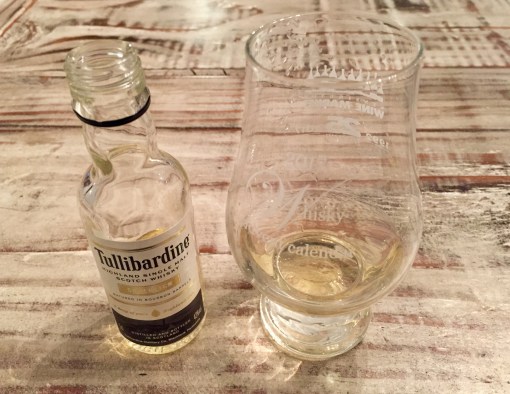
It’s been a frenetic start to Advent, both in terms of the 22 posts that have graced this blog over the past 11 days and in terms of the kaleidoscope of countries and new whisky experiences to which Kensington Wine Market has treated us so far.  Maybe at this point, at the halfway mark of the calendar, we can stop and take a breath and revel in a dose of familiarity before launching ourselves again into the unknown.  Enter the safest low-cost whisky you can buy when you’re stuck somewhere out of town and the only accessible shop is Superstore:  Tullibardine.  I have had the same “hey, this is actually pretty good!” reaction to many a suspiciously cheap Tullibardine scotch and have come to the conclusion that they can deliver on a budget far better than most in the spirit world.  You will often come across a “1488” logo on the distillery’s packaging, and their website hints at their illustrious history…sort of.  It turns out their site was previously a brewery in the 15th century that King James IV once visited, which is impressive, but for the fact that the distillery had nothing to do with the brewery and wasn’t a thing until 1947.  The website does not discuss the intervening 450 years in detail.

IMG_7184

Take a breath.

Through its entire whisky lineup, Tullibardine only uses first-fill casks (barrels that were only previously used once before, so the interior toasting and wood grain is still receptive to liquid contact) for maximum flavour transference.  This Sovereign bottling is the foundation of the portfolio, a Highland Single Malt matured only in first-fill Bourbon casks, at $65 probably the price baseline for a proper single malt scotch.  It is a grainy pale gold colour and comes across somewhat aromatically muted, its baked apple, banana Runts, grass and honey aromas slightly shy and stunted.  Bourbon’s characteristic sweetness wakes it up on the first sip, however. launching flavours of vanilla bean and creme brûlée laced with char and toasted marshmallow skin, those scorched-barrel notes echoing into a smoky finish.  This is not a dynamic whisky, but it is easily an enjoyable weeknight sip, which is all it has to be to justify this price tag.


Bricks Wine Advent Calendar 2017: Day 11

11 12 2017

By Raymond Lamontagne

One certainly learns a lot working through an advent calendar. Providing a detailed commentary for each wine puts this learning into hyperdrive. There are producers and methods to investigate. Sometimes there are grape varieties that I need to research further before delving into the tasting per se. This is one of those times, although this grape is far from rare and I know I’ve had it before. Learning a little beforehand or refreshing one’s knowledge base provides scaffolding for those treasured “in the moment” experiences. This enhances memory for what you taste and smell. The act of paying careful attention on purpose is hard work. Although I prefer to share actual tasting impressions with others after I’ve partaken, to avoid (added) sensory bias, I am a firm believer in having this framework of semantic knowledge ready to go beforehand. This allows one to note the expected structural features and aromas quickly, freeing up mental processing resources for focusing on anything that seems out of place. One could debate the merits and drawbacks of this approach. It works well for me.

IMG_0501

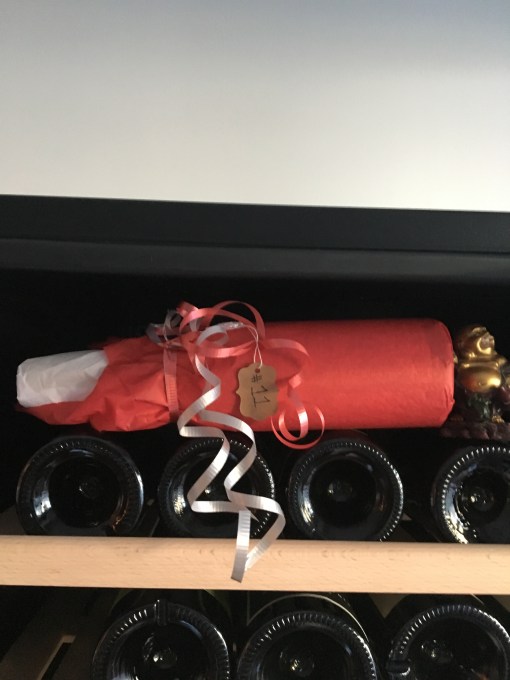
Party up top, business below.

In his encyclopedic opus of Italian wine grapes, Ian D’Agata makes a solid case for Verdicchio being Italy’s greatest native white. Versatile, capable of aging, full of aromas described as lemony and almond-like, and showing an affinity for oak, this bright green wonder typically produces lighter and highly floral wines in Verdicchio dei Castelli di Jesi, one of the major DOCGs in the Marche. The latter has been described as producing “cheerful and simple” fare, although this may downplay how good these wines can be. The New York Times recently identified Verdicchio as a “hip varietal”. Yields have dropped and the region is starting to shed its reputation for frivolity due to a previous emphasis on cheesy amphora-shaped containers. These latter vessels look like a cross between King Tut’s scepter and something one could find in an adult novelty store. Circuitous geographical musings and botanical studies of both genetics and morphology have revealed that this grape is identical to the well-regarded Trebbiano di Soave and therefore probably originated in Tuscany, brought to current alternative stronghold the Marche by Tuscan farmers who resettled the land after a severe bout of plague.

IMG_0502

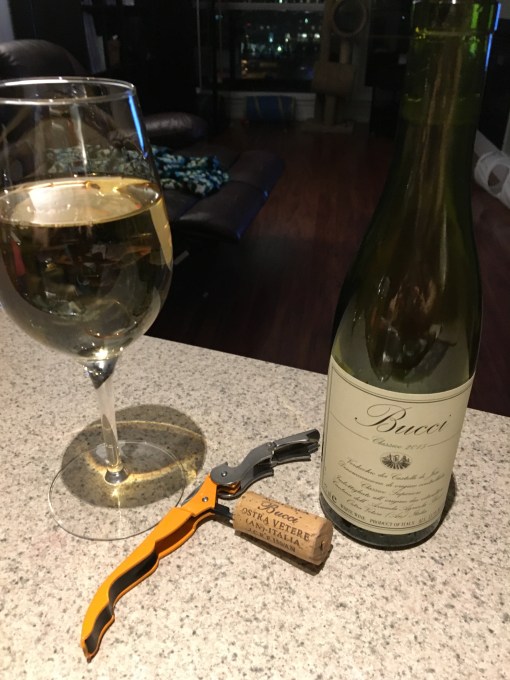
Italian wine label with an f-ton of script. Don’t sweat it. Key details explained below!

D’Agata and myriad wine critics regard Villa Bucci as one of the finest di Jesi producers. Bucci offers age-worthy bottles full of finesse, floral perfume, and primary fruit. “Classico” means the grapes were grown in a traditionally favored hilly area near the town of Cupano. Grapes hail from four organically farmed high altitude vineyards (Villa Bucci, Bellucio, Montefiore, and Baldo), each vinified separately. Vines are about 45 years old. Although DOCG rules allow for up to 15% Malvasia Toscana to be included, this is 100% Verdicchio. Grapes are gently crushed under cold temperatures and aged in large used oak barrels for four months, permitting micro-oxygenation but minimal seepage of flavors into the wine.

IMG_0504

Cork Score = 8.0 … Actual winery is named with decent font. Some empty space but lofts are still “in”, no? Not depicted: A funky graphic intended to evoke a very pleasant farm.

The Villa Bucci Verdicchio dei Castelli di Jesi Classico Superiore 2016! Nose features a stark minerality right out of the gate … Wet gravel with flecks of table salt and potash. Some low key fruits emerge next: Green apple (including a slight whiff of brown apple oxidation), lemon rind, maybe green tangerine, white blossoms (gardenia, a personal favorite scent, or the aforementioned apple). Palate largely echoes the nose but with more tangy fresh fruits: Bitter orange and almonds, lime, lemon, Granny Smith. Like a Five Alive or similar beverage without any sugar, if said beverage featured a few additional flagellations of acid and some serious added calcium. This has more minerals than it does vowels in the entire handle that I typed out above. Crisp, taut, and broad, with enough primary fruit to save it from an experience not far off rock climbing in a glass. I dig. Or rather, I chip away at a frozen orange entombed in gypsum. We’re back, baby.

Amphora-800x524

You cannot deny that it was an effective marketing tool … From http://www.vintuition.net/main/?p=3517

89 points